You know the drill. You’ve been on a specific brand-name medication for years. It works. Your doctor is happy. Then your insurance changes, or you switch plans, and suddenly that same drug costs three times as much unless you swap to a "generic." But what if you’ve had bad experiences with traditional generics in the past? Maybe the fillers upset your stomach, or the dosage felt slightly off. There is a middle ground most patients don’t know about: authorized generics.
These aren’t just cheaper copies made by third-party factories. They are the exact same pills you’ve been taking, produced by the original brand manufacturer, but sold under a different label at a fraction of the price. If you are looking to save money without sacrificing the formulation you trust, this is the option you need to understand.
What Exactly Is an Authorized Generic?
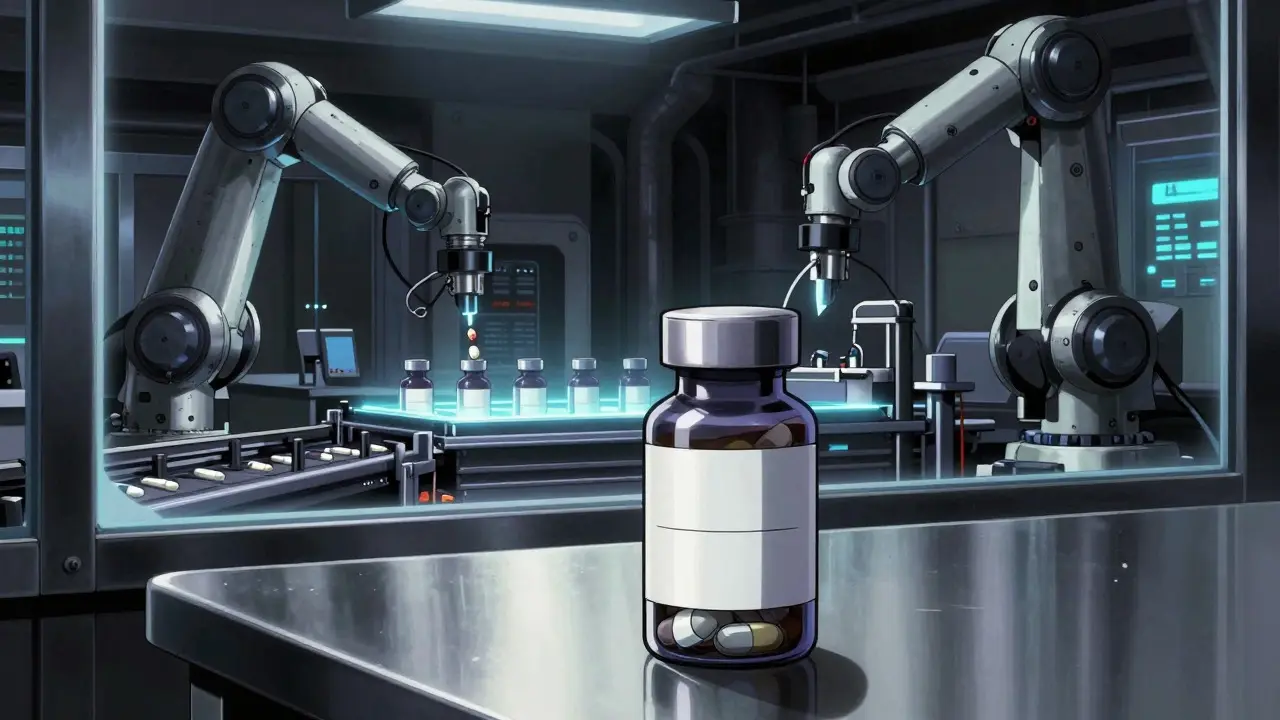
To get it straight, let’s look at the source code. An authorized generic is a prescription drug produced by the brand-name pharmaceutical company itself. Think of it like this: if the brand company is Ford, and their premium car is the Mustang, an authorized generic is still a Mustang built on the same assembly line, with the same parts, but maybe sold through a different dealership badge to compete with budget brands.
Authorized Generic is a prescription drug manufactured by the brand-name company but marketed under a private label without the brand name, containing identical active and inactive ingredients. Also known as brand-manufactured generic, it operates under the original New Drug Application (NDA) rather than the Abbreviated New Drug Application (ANDA) process used by traditional competitors.The key difference lies in the ingredients. Traditional generics only need to match the active ingredient-the part that actually treats your condition. The Food and Drug Administration (FDA) allows traditional manufacturers to use different inactive ingredients, such as dyes, binders, and fillers. These differences can matter more than you think, especially if you have sensitivities.
Authorized generics bypass this entirely. Because they are made by the brand owner, they contain the exact same active and inactive ingredients as the brand-name version. According to FDA regulations (21 CFR 314.3), these drugs are marketed under the brand’s existing approval, meaning they are therapeutically equivalent by definition. You aren’t getting a copy; you’re getting the original product in different packaging.
Why Do Brands Sell Their Own Drugs Cheaper?
It sounds counterintuitive. Why would Pfizer or Merck sell their own high-margin drug for less? The answer is competition. Under the Hatch-Waxman Act of 1984, when a brand patent expires, the first generic company to file an application gets 180 days of exclusivity. During those six months, they are often the only competitor, allowing them to set prices higher than typical generic rates.
Brand companies launch authorized generics to disrupt this monopoly. By entering the market themselves during that exclusivity window, they force prices down. A Federal Trade Commission (FTC) report from 2011 showed that when innovator companies launched authorized generics, prices dropped by 25-30% compared to markets where no authorized generic competed. It’s a strategic move to protect market share while offering consumers a lower-cost alternative.
| Feature | Brand Name Drug | Traditional Generic | Authorized Generic |
|---|---|---|---|
| Manufacturer | Original Brand Company | Third-Party Competitor | Original Brand Company |
| Active Ingredient | Identical | Identical (Bioequivalent) | Identical |
| Inactive Ingredients | Original Formula | May Differ (Fillers/Dyes) | Identical to Brand |
| Approval Path | New Drug Application (NDA) | Abbreviated NDA (ANDA) | New Drug Application (NDA) |
| Price | Highest | Lowest | Mid-Range (15-20% less than brand) |
Who Benefits Most? Narrow Therapeutic Index Drugs
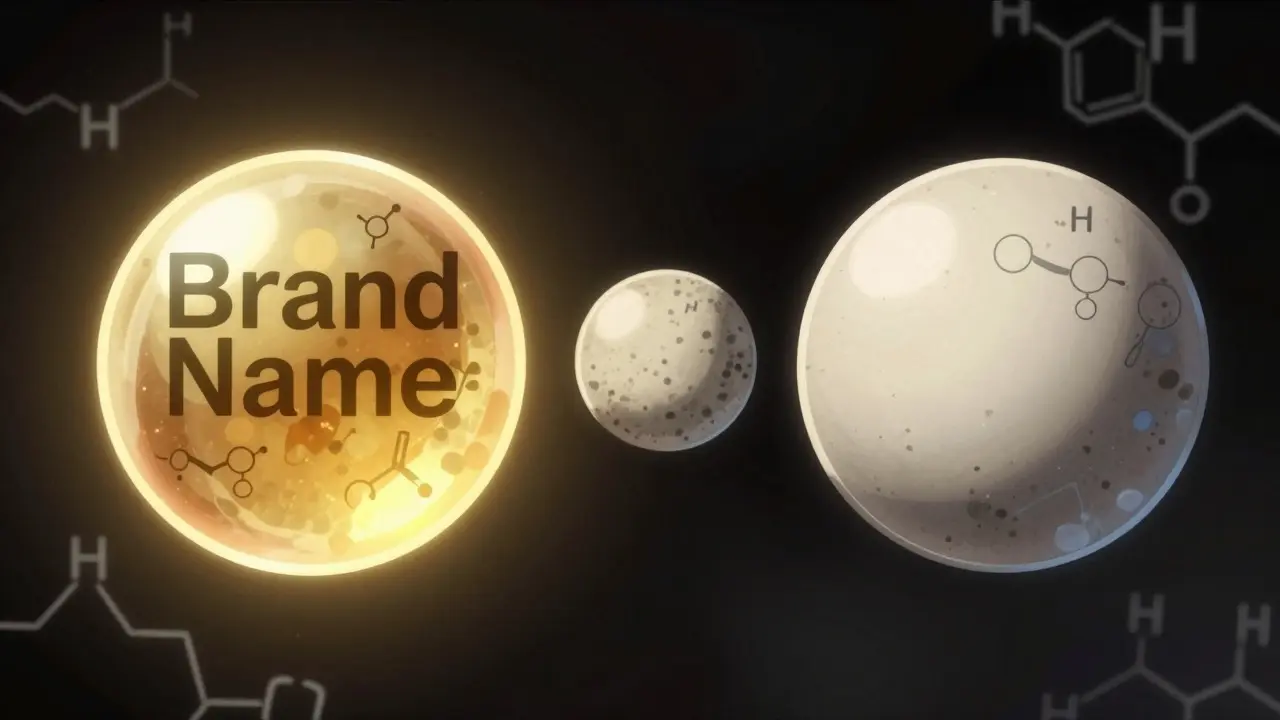
For many medications, like antibiotics or painkillers, the difference between brand and traditional generic is negligible. But for certain critical drugs, the filler matters. These are called Narrow Therapeutic Index (NTI) drugs. Examples include warfarin (blood thinner), levothyroxine (thyroid hormone), and phenytoin (seizure medication).
With NTI drugs, even tiny variations in how the drug dissolves or is absorbed can lead to dangerous spikes or drops in blood levels. A study published in US Pharmacist noted that 32% of patients reported adverse reactions when switching between brand and traditional generics due to these inactive ingredient differences. For thyroid patients, this can mean feeling fatigued or anxious despite being "on treatment."
This is where authorized generics shine. Dr. Aaron Kesselheim, a Professor of Medicine at Harvard Medical School, has pointed out that authorized generics offer the most reliable alternative for patients who experience problems with traditional generics. Since the formula is identical to the brand, the risk of absorption variability is eliminated. In online pharmacy communities, verified pharmacists have reported that switching sensitive patients to authorized generics reduced adverse reaction complaints by approximately 70%.
Cost Savings and Insurance Coverage
Let’s talk numbers. While traditional generics are usually the cheapest option, authorized generics are significantly cheaper than the brand name. Research indicates they generally cost 15-20% less than their brand-name counterparts. In some competitive markets, the gap can be wider.
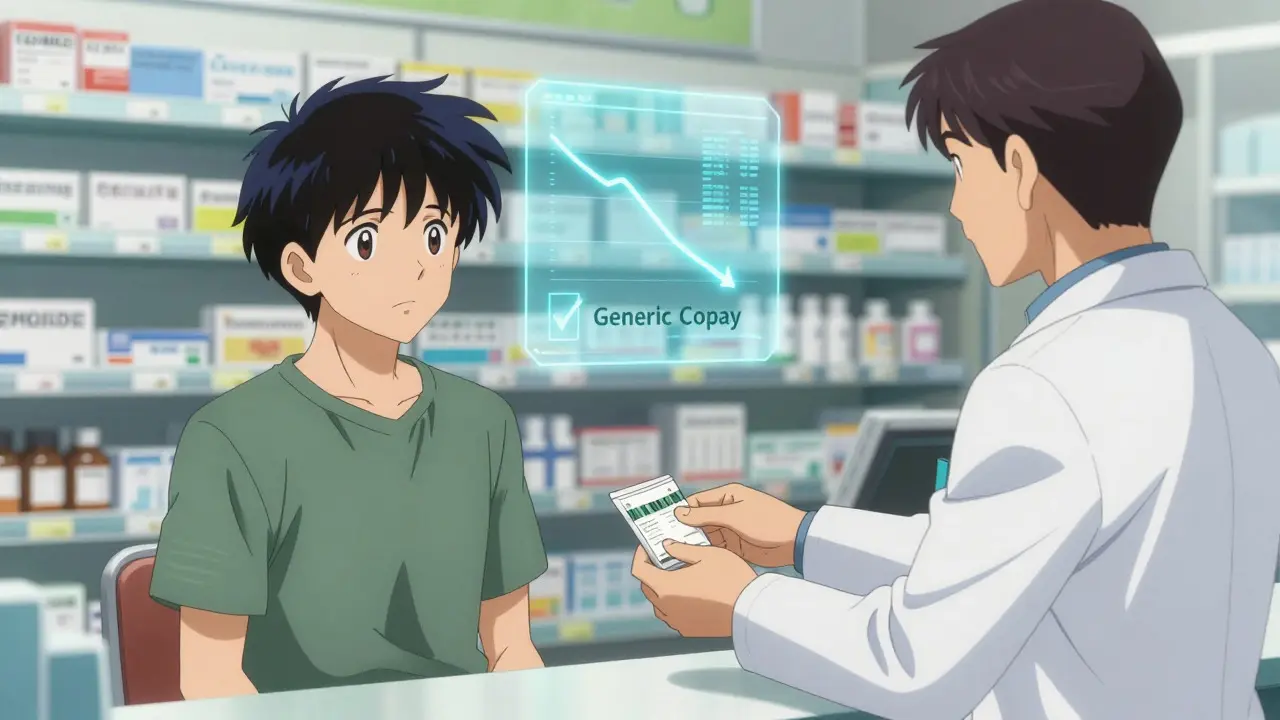
But does your insurance cover it? Here is the good news: Medicare Part D covers authorized generics at generic copay levels 92% of the time, according to 2023 CMS data. Commercial insurers do so in 78% of cases. This means you often pay the low generic tier copay, not the expensive brand tier copay, even though you are receiving the brand-formulated drug.
However, availability is limited. As of 2023, only 15-20% of brand-name drugs have an authorized generic version available. You won’t find one for every medication. The FDA maintains a list of authorized generic drugs, updated quarterly, which you can check if you suspect your medication might have one.
How to Get an Authorized Generic
You don’t always have to ask for it specifically. In many states, pharmacists are allowed to substitute brand-name prescriptions with authorized generics if the prescriber hasn’t written "dispense as written" or "no substitution." The Massachusetts Department of Public Health, for example, confirms this interchangeability.
However, confusion happens. A 2022 Kaiser Family Foundation study found that 28% of patients didn’t realize they received an authorized generic until after purchase, leading to unnecessary worry because the pill looked different (different color or markings). To avoid this:
- Ask your pharmacist directly: Before picking up your script, ask, "Is there an authorized generic available for this brand?"
- Check the National Drug Code (NDC): Pharmacists use NDCs to identify drugs. Authorized generics have unique NDCs linked to the brand manufacturer. Major chain pharmacies have protocols to identify these through cross-referencing.
- Review your Explanation of Benefits (EOB): Sometimes the drug name on your insurance statement will differ from the brand name, indicating a substitution occurred.
If you are on a critical NTI medication and have struggled with traditional generics, make this conversation a priority. Tell your doctor and pharmacist: "I need the exact formulation of the brand name, but I want to pay the generic price. Is an authorized generic an option?"
Regulatory Landscape and Future Outlook
The landscape for authorized generics is shifting. The FDA has faced criticism for not clearly distinguishing these products in its Orange Book (the database of approved drugs). However, a 2023 initiative aims to create a dedicated section for authorized generics to improve transparency. Additionally, the Biden administration’s Executive Order on Promoting Competition has directed the FDA to scrutinize anti-competitive tactics, ensuring that authorized generics truly benefit consumers rather than just protecting brand monopolies.
Market analysts project that authorized generics will grow to represent 12-15% of the generic market by 2026. This growth is driven by the increasing complexity of drugs and the rising demand for consistent formulations among chronic disease patients.
Are authorized generics safe?
Yes. Authorized generics are considered therapeutically equivalent to the brand-name drug by the FDA. They contain the exact same active and inactive ingredients, manufactured by the same company under the same quality standards. They are not "lesser" versions; they are the brand product sold at a lower price point.
Do I need a new prescription to get an authorized generic?
Usually, no. In most states, pharmacists can automatically substitute a brand-name prescription with an authorized generic if the doctor did not specify "no substitution." However, it is best to confirm with your pharmacist, as state laws vary. If your doctor wrote "dispense as written," you may need a clarification call to allow the substitution.
Why do authorized generics look different from the brand?
To prevent consumer confusion and trademark infringement, authorized generics must have different packaging, labeling, and often different colors or markings on the pill itself. Despite the visual differences, the internal chemical composition remains identical to the brand-name version.
Can I request an authorized generic specifically?
You can ask, but you cannot always guarantee it. Availability depends on whether the brand company has launched an authorized generic for your specific drug and whether your pharmacy has it in stock. Since they are less common than traditional generics, inventory varies. Asking your pharmacist to check the National Drug Code (NDC) is the best way to verify availability.
Are authorized generics covered by Medicare?
In most cases, yes. According to 2023 data, Medicare Part D plans cover authorized generics at the generic copay level 92% of the time. This means you typically pay the lower Tier 2 or Tier 3 copay rather than the higher brand-name copay, making them a cost-effective choice for seniors.
What is the difference between an authorized generic and a traditional generic?
The main difference is the manufacturer and the inactive ingredients. Traditional generics are made by third-party companies and may use different fillers or dyes. Authorized generics are made by the original brand company and use the exact same formula, including all inactive ingredients. This makes authorized generics particularly valuable for patients sensitive to formulation changes.