Authorized generics are a fascinating loophole in the pharmaceutical world. You might wonder how a big brand-name drug company can suddenly sell a cheaper version of its own blockbuster medication right when competitors try to enter the market. It sounds like cheating, but it is actually a legal and strategic move known as producing an authorized generic. This strategy allows original manufacturers to keep their hands on the wheel even after their patents expire.
When you see a pill that looks slightly different but contains the exact same active ingredients as your trusted brand, it might just be this hybrid product. Understanding how these companies produce them reveals a lot about drug pricing, manufacturing efficiency, and the complex dance between innovation and profit.
The Strategy Behind Authorized Generics
To understand the production process, we first need to look at the motive. Why would a company lower its own price? The answer lies in the "patent cliff." When a drug's patent expires, other companies can legally make copies called traditional generics. These copies usually flood the market, driving prices down by 80-85% within the first year, according to FDA data from 2022.
For a brand manufacturer, this is a financial disaster. To stop this bleeding, they use an authorized generic. This is not a copy made by a rival; it is the same drug, made by the same company, using the same machinery, but sold under a different label. By introducing their own generic version, the brand captures a portion of the low-cost market share before independent competitors can fully take over. It is a defensive shield against total revenue loss.
Production: Same Factory, Different Label
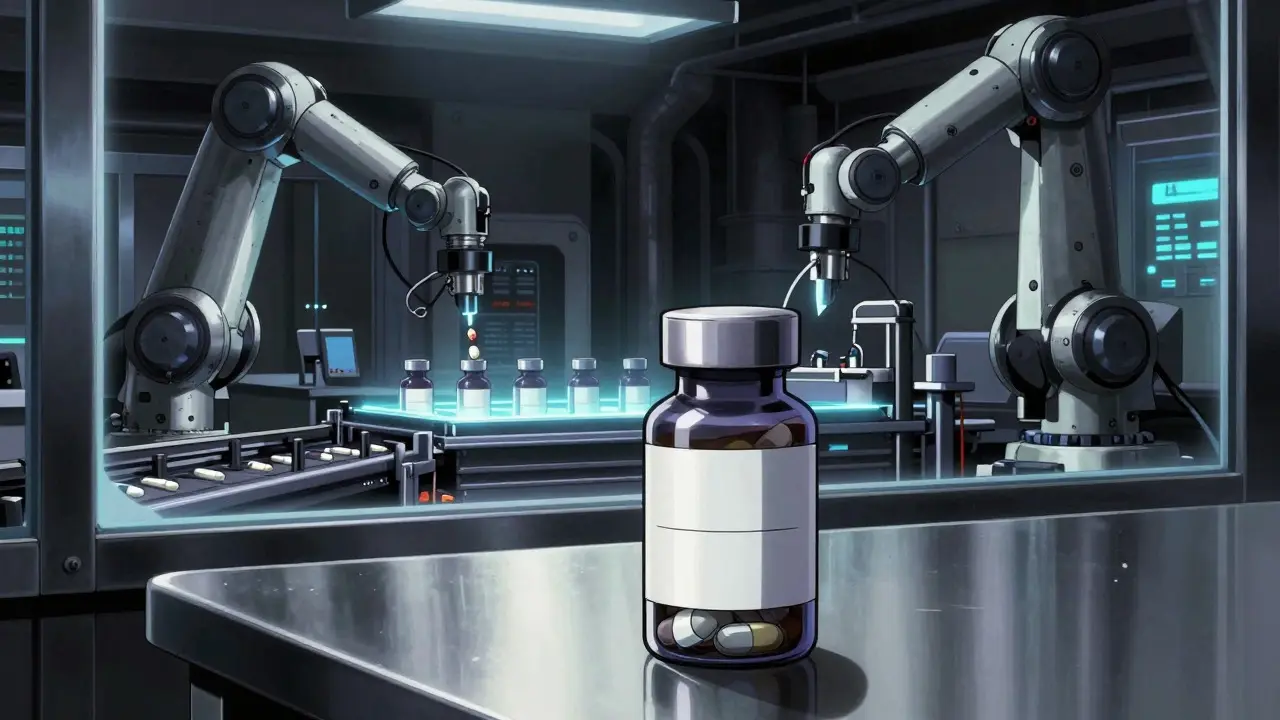
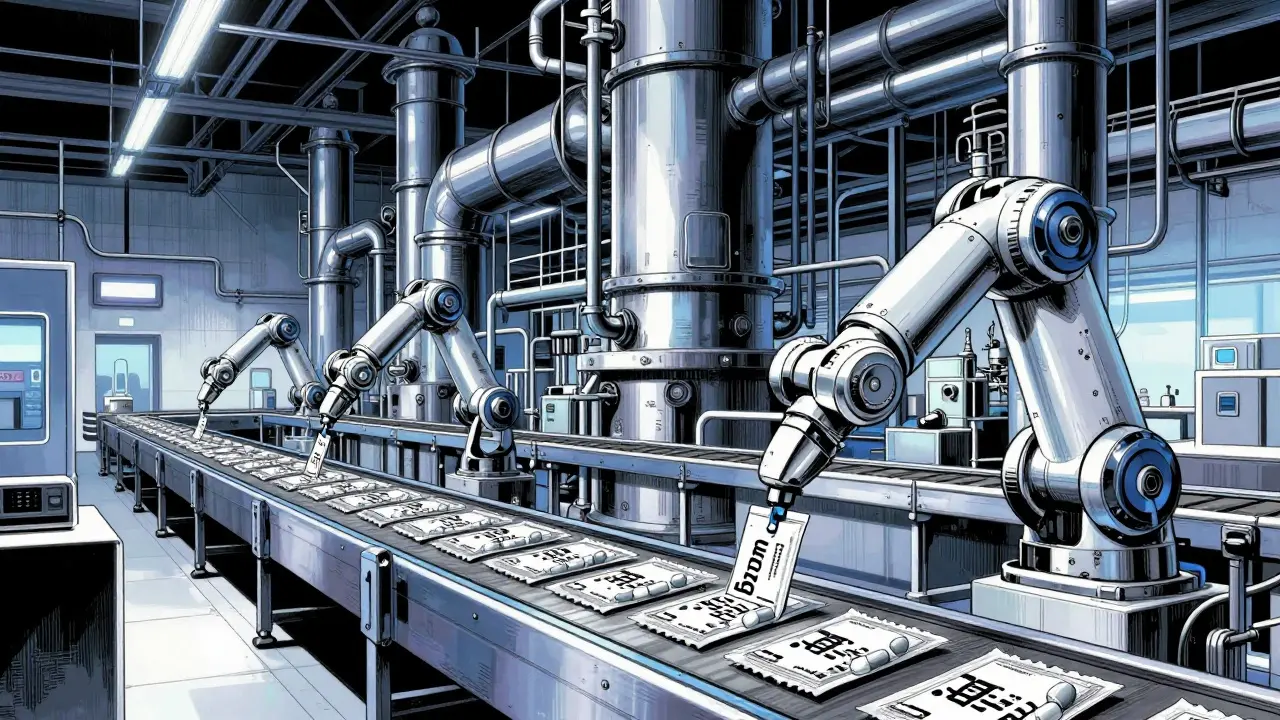
The most surprising part of authorized generics is that there is often no change in the physical manufacturing process. Unlike traditional generic makers who must build new factories or set up separate production lines, the brand manufacturer uses its existing facilities.
| Feature | Brand Name Drug | Traditional Generic | Authorized Generic |
|---|---|---|---|
| Manufacturer | Original Company | Third-Party Competitor | Original Company |
| Factory Location | Primary Facility | New or Separate Facility | Same Primary Facility |
| Clinical Trials | Required (Full) | Bioequivalence Only | None (Leverages Existing Data) |
| Regulatory Pathway | NDA (New Drug Application) | ANDA (Abbreviated New Drug Application) | ANDA (via Brand License) |
| Time to Market | Years of Development | 17+ Months (FDA Review) | 6-9 Months (Internal Adjustment) |
As noted in Pfizer’s 2022 documentation, the transition typically requires only 6-9 months for regulatory adjustments. The pills themselves remain identical in size, shape, color, and taste. The only difference is the packaging and the label, which must comply with U.S. trademark laws that prevent the generic from looking exactly like the brand. This means you get the quality assurance of the original maker with the lower price tag of a generic.
Regulatory Loopholes and Speed
The speed at which authorized generics hit the market is their biggest advantage. Under the Hatch-Waxman Act of 1984, the first company to file an application for a traditional generic gets 180 days of exclusivity. During this time, no other generic can compete. However, this rule does not apply to the brand owner.
A brand manufacturer can launch an authorized generic on the exact day the patent expires. They bypass the lengthy FDA review process because they already have the safety and efficacy data approved through their original New Drug Application (NDA). They simply submit an Abbreviated New Drug Application (ANDA) referencing their own prior work. This allows them to enter the market simultaneously with, or even before, competing generics. For example, Teva Pharmaceuticals launched an authorized generic of Copaxone on the day its patent expired in 2019, instantly capturing 22% of the market.
Pricing Tactics: The Middle Ground
If authorized generics are so cheap to produce, why aren't they priced the same as traditional generics? They are not. Brand manufacturers use a tiered pricing strategy. An authorized generic is usually priced 10-15% below the brand name but 5-10% above traditional generics.
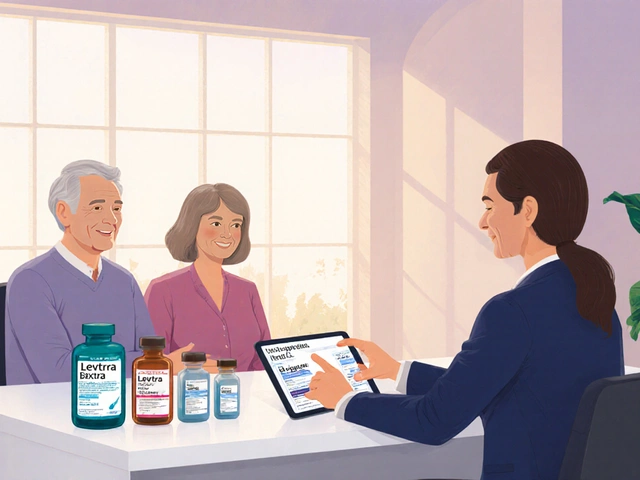
This creates a middle ground. Patients who cannot afford the brand might still choose the authorized generic if they trust the original manufacturer more than unknown competitors. In 2018, Eli Lilly introduced an authorized generic of Cialis. Despite competition, this strategy helped maintain 78% of the drug's total market revenue. The goal is not to be the cheapest option, but to preserve the brand's value while offering a discount that keeps customers loyal.
Consumer Confusion and Trust
While the business logic is sound, the consumer experience can be confusing. Many patients do not realize that the "generic" they are buying was made by the same company as the brand. A 2023 survey by the Kaiser Family Foundation found that 64% of patients were unaware of this connection. However, 71% preferred authorized generics when available because they felt familiar with the product.
Pharmacists also face challenges. Independent pharmacy owners reported that 63% found authorized generics created confusion among patients who couldn't distinguish between the brand and the "generic" versions produced by the same company. On social media platforms like Reddit, users often express skepticism, noting that authorized generics sometimes save very little money compared to the brand, whereas traditional generics offer deeper discounts.
Legal Boundaries and Antitrust Scrutiny
This strategy is not without risks. The Federal Trade Commission (FTC) watches these moves closely. If a brand manufacturer uses authorized generics to block competition or delay the entry of true generics, they can face antitrust lawsuits. In 2017, Actavis paid a $448 million settlement for allegedly using such tactics with the drug Namenda. Companies must ensure their authorized generic launches do not violate agreements or unfairly stifle market competition.
The Future: Biologics and Beyond
As the industry evolves, authorized generics are moving beyond simple pills. With billions in revenues facing patent expiration between 2023 and 2027, major players like Johnson & Johnson and Novartis are adopting these strategies for more complex drugs. In 2023, Amgen approved the first authorized biosimilar of its own Enbrel. This signals a shift where manufacturing expertise becomes an even bigger barrier to entry, making the brand's own "generic" version an even more attractive option for both companies and cautious patients.
Is an authorized generic the same as the brand name drug?
Yes, chemically and physically, it is identical. It contains the same active and inactive ingredients, is manufactured in the same facility, and meets the same quality standards. The only differences are the packaging and the label, which must differ to comply with trademark laws.
Why do brand manufacturers create their own generics?
They do it to protect their revenue when patents expire. By selling their own generic version, they can capture market share that would otherwise go to competitors, maintaining control over quality and preserving some profit margins.
Are authorized generics cheaper than traditional generics?
No, they are typically more expensive. Authorized generics are usually priced slightly below the brand name but higher than traditional generics. They offer a middle-tier price point for consumers who prioritize brand familiarity over the lowest possible cost.
Can I tell if my generic is an authorized generic?
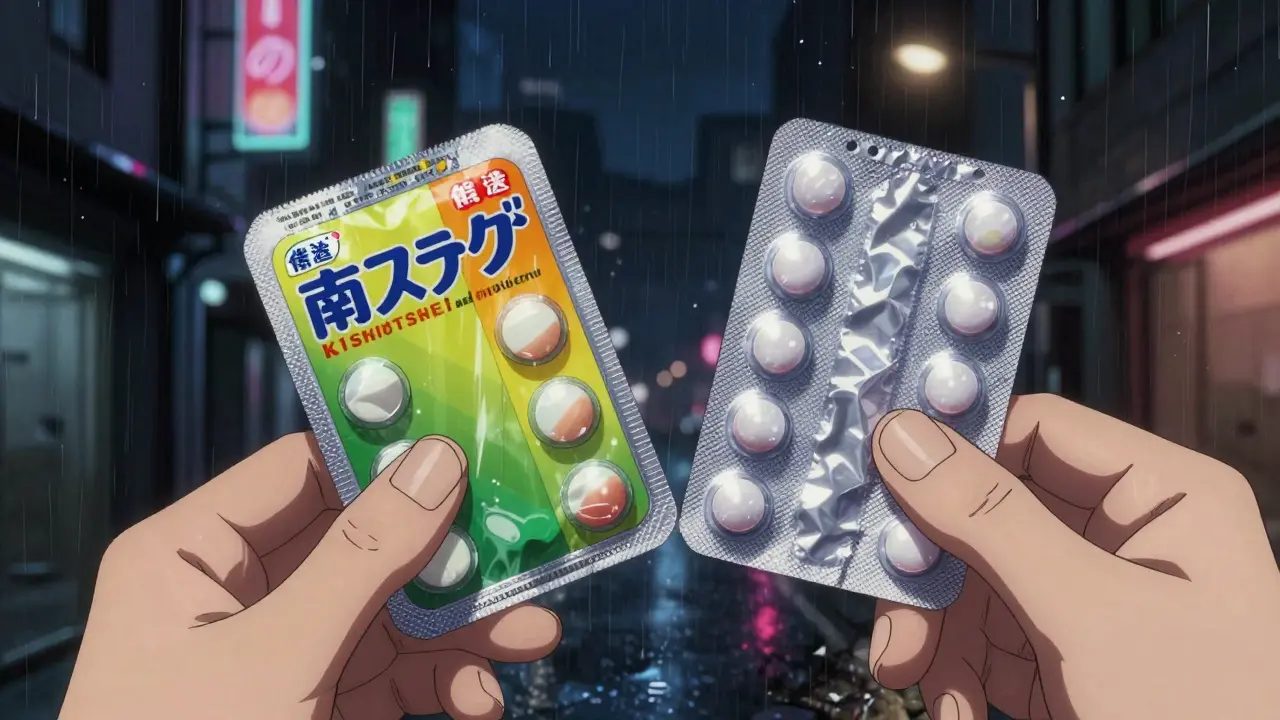
It can be difficult. The packaging will look different from the brand, but the pill itself may look identical. You can check the National Drug Code (NDC) or ask your pharmacist. Often, the manufacturer listed on the box will be the same as the brand-name drug's parent company.
Do authorized generics require clinical trials?
No. Because the brand manufacturer already has the safety and efficacy data from the original drug approval, they do not need to repeat clinical trials. They submit an abbreviated application leveraging their existing data, which speeds up the process significantly.