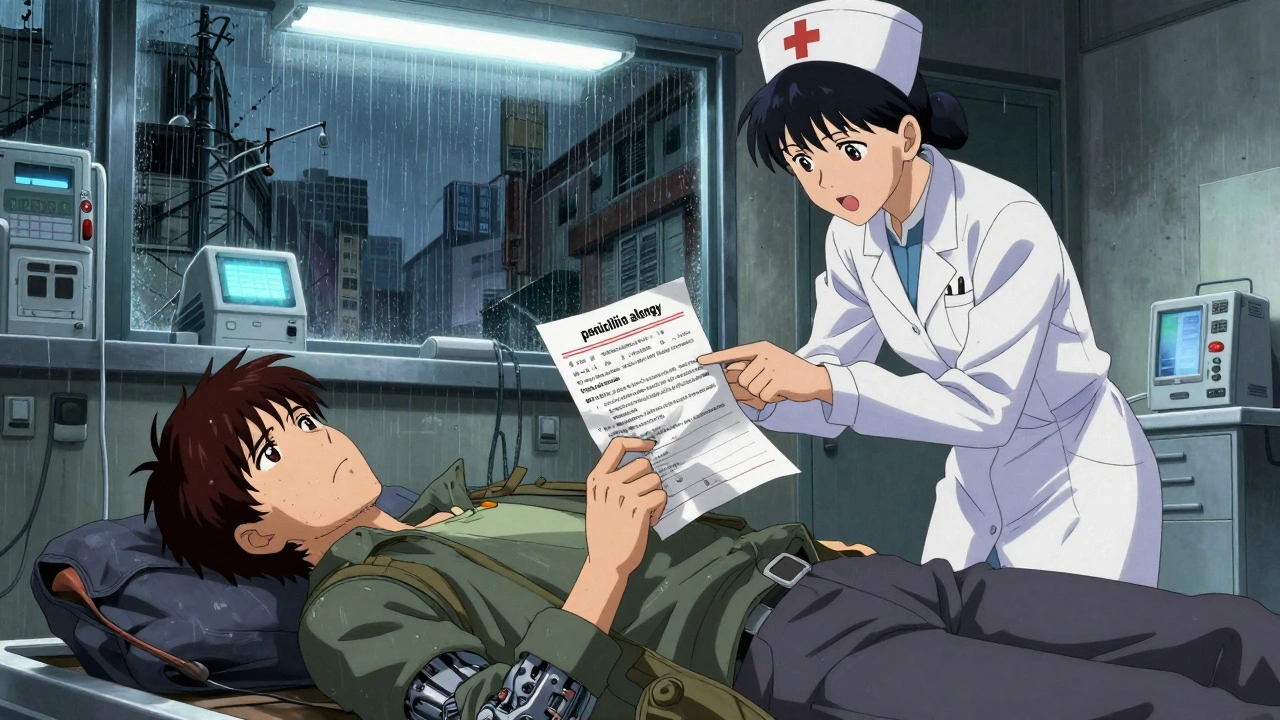
When you’re traveling abroad and something goes wrong-whether it’s a sudden allergic reaction, a fall, or a heart palpitation-the last thing you want is to be stuck trying to explain your medications in a language you barely speak. Emergency rooms don’t have time for guesswork. A simple paper list, translated into the local language, can mean the difference between life and death. This isn’t just a good idea. It’s a necessity.
Why a Multilingual Medication List Matters
In the U.S., over 25 million people have limited English proficiency. That number grows when you include travelers from other countries. A 2020 study in JAMA Internal Medicine found that patients without a translated medication list were 28% more likely to have errors in their hospital records. These aren’t minor mistakes. They’re wrong doses, missed allergies, or duplicate prescriptions that can send someone into crisis. Take the case of a woman in Chicago who collapsed from an allergic reaction. She had a penicillin allergy but couldn’t say it in English. The ER staff didn’t know. Then they saw her Tennessee Pharmacists Association medication list-in Spanish. It listed penicillin clearly. She was treated safely. That list saved her life.What to Include on Your List
A good multilingual medication list isn’t just a copy of your prescription bottle. It needs to be clear, complete, and easy for any healthcare worker to read. Here’s what to put on it:- Medication name (brand and generic, if applicable)
- Dosage (e.g., 10 mg, 500 mg)
- Frequency (e.g., once daily, twice a day, as needed)
- Purpose (e.g., “for high blood pressure,” “for pain,” “for diabetes”)
- Prescribing doctor’s name and phone number
- Start date (when you began taking it)
- Any allergies (especially penicillin, sulfa, NSAIDs, or iodine)
- Herbal supplements and vitamins (many people forget these, but they interact with prescriptions)
Don’t just write “aspirin.” Write “81 mg aspirin daily for heart protection.” Don’t say “vitamins.” List “Vitamin D 2000 IU daily.” Details matter.
Where to Get Reliable Translations
Not all translation tools are equal. Google Translate can mess up medical terms. A mistranslated “10 mg” as “100 mg” could be deadly. Use trusted sources instead.- Tennessee Pharmacists Association (TPA) Universal Medication List - Available in 10 languages: English, Spanish, Chinese, Vietnamese, Korean, Arabic, Russian, Somali, Nepali, and French. It’s free to download as a PDF. The layout is simple, standardized, and used in U.S. hospitals.
- NPS MedicineWise App - An Australian tool, but usable anywhere. It’s on iOS and Android. You can add medications, set reminders, and export a printable list in 11 languages, including Hindi, Persian, and Tamil. It’s especially useful for older adults who need dose alerts.
- MedlinePlus - Run by the U.S. National Library of Medicine. Offers drug information in over 40 languages. You can search for your medication and find its name in Arabic, Russian, Vietnamese, and more.
- British Red Cross Emergency Multilingual Phrasebook - Not a medication list, but a lifesaver in emergencies. It has 150+ medical phrases translated into 36 languages. Use it to say, “I am allergic to penicillin,” or “I take this medicine for high blood pressure.”
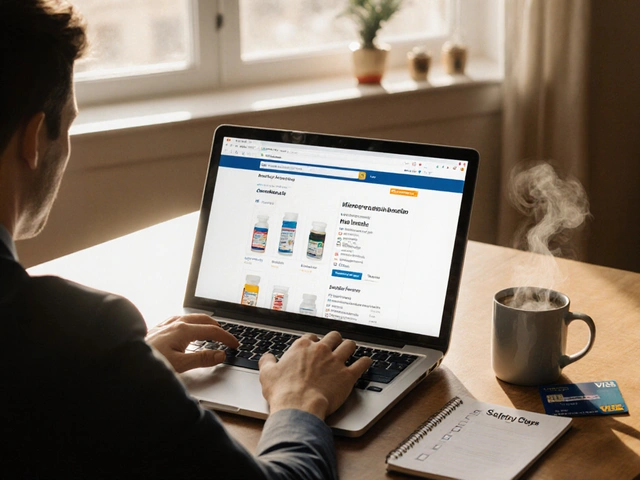
Print two copies. One to carry in your wallet. One to leave with a trusted friend or family member back home.
Language Coverage: What’s Available and What’s Not
You might assume Spanish and Chinese are covered. That’s true. But what about Hmong? Karen? Oromo? These are languages spoken by refugees and migrants in the U.S. and Europe. In 2024, the CDC added medication safety materials in eight new languages, including Amharic and Tibetan. But most pharmacies still don’t have them. A 2021 study found that only 28% of U.S. pharmacies offered Vietnamese-language medication lists-even though Vietnamese is the fourth most common non-English language in the country. If your language isn’t on the list, you’ll need to get it translated manually.
How to Get an Accurate Translation
If your language isn’t covered, here’s how to do it right:- Write your list in English first. Be precise.
- Find a certified medical interpreter. Don’t use a friend, family member, or Google Translate. Hospitals often have interpreter services you can access remotely.
- Ask them to translate the list into your language, then back into English to check for accuracy.
- Use the “teach-back” method: Ask someone who speaks your language to read the translated list and explain back what it says. If they get it wrong, fix it.
One woman from Laos translated her list into Lao using a friend. The friend wrote “for stomach” instead of “for high blood pressure.” She ended up in the ER with dangerously low blood pressure because the doctor thought she wasn’t taking her meds. Always verify.
Digital vs. Paper: Which Is Better?
Some people swear by apps. Others stick to paper. Here’s the truth: Both are necessary.- Apps (like MedicineWise) are great for reminders and updates. But if your phone dies, or you’re unconscious, they’re useless.
- Paper lists work in any emergency. They don’t need batteries. They can be shown to paramedics, nurses, or doctors in any country.
Best practice: Keep a printed version in your wallet, purse, or travel bag. Take a photo of it and save it on your phone. Add it to your health app (Apple Health or Google Health). If you’re traveling, email a copy to someone you trust.
Special Cases: Herbal Medicines, Traditional Remedies
Many people take herbs, teas, or traditional medicines. Turmeric. Ashwagandha. Ginseng. These aren’t always listed on prescription bottles. But they can interact with blood thinners, diabetes drugs, or heart medications. A 2022 survey found that 52% of LEP patients didn’t include herbal remedies on their lists because they didn’t think they counted. That’s a mistake. Include them. Write: “Turmeric root powder, 1 tsp daily for arthritis.” Translate it. If the word doesn’t exist in the target language, describe it: “Yellow powder from a root, used like spice, for swelling.”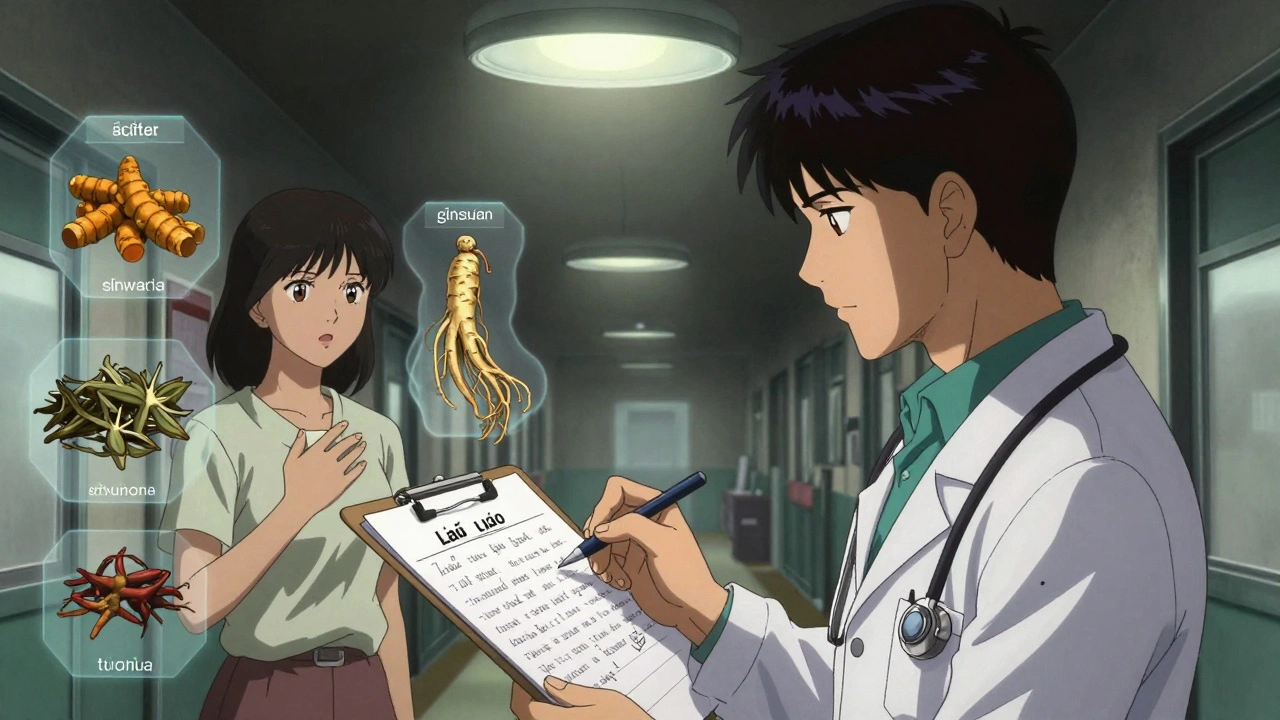
What to Do Before You Travel
Don’t wait until you’re in an airport or a foreign hospital. Do this before you leave:- Update your list with your doctor. Make sure it’s current.
- Print copies in English and your native language.
- Download the MedicineWise or TPA app if you use a smartphone.
- Save the British Red Cross Phrasebook on your phone. Search “British Red Cross Emergency Phrasebook PDF” - it’s free.
- Ask your pharmacist if they have a multilingual version. Most don’t, but some in big cities do.
- Give a copy to a travel companion. Make sure they know what’s on it.
What to Do in an Emergency
If you’re in a foreign hospital and can’t speak:- Hand them your printed list immediately.
- Point to your allergies.
- If they’re confused, show them the Red Cross phrasebook and say, “I need help reading this.”
- Don’t let them guess. Say, “This is my medicine. Do not give me anything else.”
Studies show that having a translated list cuts emergency room time by 22 minutes on average. That’s 22 minutes you’re not waiting for a translator, not being misdiagnosed, not getting the wrong drug.
Common Mistakes to Avoid
- Using Google Translate alone. It translates “1 tablet” as “1 piece.” That’s not clear.
- Forgetting supplements. St. John’s Wort can cancel out birth control. Garlic pills can thin your blood.
- Not updating it. If you stop a drug or get a new one, update the list. Outdated lists cause errors.
- Keeping it in your suitcase. If you’re rushed to the ER, your bag won’t be with you.
- Assuming everyone speaks English. Even in tourist areas, nurses and paramedics may not.
Final Tip: Make It Visible
Some people wear medical alert bracelets. That’s good. But a bracelet can’t say, “I take 5 mg lisinopril for blood pressure, 81 mg aspirin daily, and I’m allergic to penicillin.” Your multilingual list is your medical ID. Keep it where it can be seen. In your wallet. In your phone case. Taped inside your passport. Don’t hide it. Don’t wait for an emergency to find it.Medication safety isn’t just about pills. It’s about communication. And when you’re far from home, your words might be the only thing that saves you.
Can I just use a translation app instead of a printed list?
No. Translation apps like Google Translate are unreliable for medical terms. They can misinterpret dosages, drug names, or symptoms. In an emergency, you won’t have time to type or wait for a response. A printed list works instantly, even if your phone is dead or you’re unconscious.
What if my language isn’t on any of the lists?
Find a certified medical interpreter through a hospital or telehealth service. Have them translate your list from English into your language, then back into English to check for errors. Write the translated version by hand or print it. Test it with someone who speaks your language to make sure it’s clear. Don’t rely on friends or family unless they’re trained in medical terminology.
Do I need to include vitamins and herbal supplements?
Yes. Many herbal supplements interact with prescription drugs. For example, garlic or ginkgo can thin your blood and cause dangerous bleeding during surgery. Turmeric can affect blood sugar. List them with their dose and purpose: “Ashwagandha, 500 mg daily, for stress.”
How often should I update my medication list?
Update it every time you see your doctor or pharmacist-especially after a new prescription, dose change, or if you stop a medication. A 2022 study found that 78% of medication errors happen during care transitions, like hospital discharge or a doctor’s visit. Keep your list current.
Should I carry my list in my passport or wallet?
Carry it in your wallet or a small pouch attached to your belt. Don’t put it in your passport-customs agents might take it. Don’t leave it in your suitcase. Emergency responders check your pockets and wallet first. Make sure it’s easy to grab.
Can I use the British Red Cross Phrasebook as my medication list?
No. The Red Cross Phrasebook helps you say phrases like “I am allergic” or “I need a doctor,” but it doesn’t list your specific medications. Use it alongside your personal medication list-not instead of it.
Sadie Nastor
December 7, 2025 AT 10:05Helen Maples
December 7, 2025 AT 16:41Oliver Damon
December 9, 2025 AT 15:34Kyle Oksten
December 11, 2025 AT 14:04Sam Mathew Cheriyan
December 11, 2025 AT 16:39Ernie Blevins
December 13, 2025 AT 02:13David Brooks
December 14, 2025 AT 07:43Jennifer Anderson
December 14, 2025 AT 10:04Nicholas Heer
December 14, 2025 AT 19:13Sangram Lavte
December 15, 2025 AT 01:19Stacy here
December 15, 2025 AT 10:48