
Dry Mouth Product Finder
Find Your Perfect Dry Mouth Solution
This tool recommends products based on your medications, symptoms, and budget. It takes just 2 minutes to get personalized recommendations.
Recommended Products for You
Important note: Always check with your dentist or doctor before starting new products, especially if you have underlying health conditions.
When your mouth feels like cotton wool, even sipping water doesn’t help-welcome to dry mouth, or xerostomia. It’s not just discomfort; it’s a silent threat to your teeth, gums, and overall oral health. Over 500 common medications, from blood pressure pills to antidepressants, can trigger it. About 30% of adults over 65 deal with it regularly, and even younger people aren’t safe if they’re on chronic meds. The good news? You don’t have to just live with it. With the right products and daily habits, you can manage dry mouth effectively-and even protect your teeth from decay.
Why Dry Mouth Is More Than Just Uncomfortable
Saliva isn’t just there to make swallowing easier. It’s your mouth’s natural defense system. It washes away food particles, neutralizes acids, and helps repair early tooth damage. When saliva production drops, bacteria multiply faster, plaque builds up, and cavities form-often in places you wouldn’t expect, like the gum line or the roots of teeth. People with dry mouth are up to three times more likely to develop cavities than those with normal saliva flow.
And it’s not just about tooth decay. Dry mouth makes chewing and speaking harder. It can cause bad breath, mouth sores, and even affect your sense of taste. If you’re constantly clearing your throat, needing to drink water during meals, or waking up with a parched mouth, you’re not just being thirsty-you’re dealing with a medical issue that needs attention.
What Makes a Dry Mouth Product Actually Work?
Not all mouthwashes, gels, or sprays are created equal. The best ones don’t just add moisture-they mimic natural saliva. Look for two key ingredients: carboxymethylcellulose or hydroxyethyl cellulose. These thickening agents create a protective film that lasts longer than plain water. Another powerful ingredient is xylitol, a natural sweetener that doesn’t feed cavity-causing bacteria. In fact, xylitol actively reduces plaque and helps remineralize enamel.
Avoid products with alcohol, sodium lauryl sulfate (SLS), or artificial sugars. Alcohol dries you out even more. SLS can irritate sensitive mouth tissues. And regular sugar? It’s a feast for bacteria when saliva isn’t there to wash it away.
Top Products Recommended by Dentists and Pharmacists
When it comes to trusted brands, Biotène is the #1 dentist, pharmacist, and hygienist recommended brand for dry mouth management. Their lineup is designed around three core needs: moisture, protection, and convenience.
- Biotène Oralbalance Moisturizing Gel - This thick gel is perfect for nighttime use. It clings to your mouth for up to 4 hours and has a pH balanced to match natural saliva. A 1.5 oz tube costs around $8.29 at Walgreens.
- Biotène Dry Mouth Oral Rinse - Alcohol-free and packed with xylitol, this rinse cleanses while moisturizing. It’s ideal for daily use after brushing. The 33.8 fl oz bottle runs about $13 and lasts months with regular use.
- Biotène Dry Mouth Mouth Spray - For quick relief on the go. One spray gives instant moisture without the mess. Great for work, travel, or after meals.
Other effective options include:
- ACT Dry Mouth Moisturizing Lozenges - Each lozenge contains xylitol and dissolves slowly to keep your mouth moist. At $6.79 for 36 pieces, they’re one of the most affordable per-use options.
- XyliMelts - These adhesive discs stick to your gums or inner cheek and release xylitol and moisture slowly over hours. Perfect for sleep. Each disc costs about $0.29, and a pack of 40 runs $11.49.
- TheraBreath Dry Mouth Products - Known for breath freshening, their rinses and lozenges combine moisture with odor-fighting agents. They offer multiple flavors like Mandarin Mint and Tart Berry, which helps with long-term use.
For toothpaste, choose one with fluoride and no SLS. Colgate, Sensodyne, and Crest all make dry mouth-friendly formulas. Fluoride is non-negotiable-it strengthens enamel that’s under constant attack when saliva is low.

Daily Habits That Make a Real Difference
Products help, but habits change everything. Here’s what works:
- Sip water all day - Not gulps, but small sips. Keep a bottle nearby. Sugar-free drinks are fine, but plain water is best.
- Suck on ice chips - They melt slowly and keep your mouth moist without spiking sugar levels.
- Chew sugar-free gum or suck on xylitol lozenges - Especially after meals. This triggers your remaining saliva glands to work. Just don’t overdo it-more than 10g of xylitol a day can cause bloating or diarrhea in some people.
- Breathe through your nose - Mouth breathing dries you out fast. If you snore or have nasal congestion, talk to your doctor. A simple nasal strip at night can help.
- Use a humidifier - Especially in winter or in air-conditioned rooms. Adding moisture to the air helps your mouth stay hydrated while you sleep.
- Avoid alcohol, caffeine, and sugary drinks - Coffee, soda, and wine all dry you out. Even diet soda has acid that erodes enamel when saliva isn’t there to buffer it.
- Don’t eat sticky or acidic foods - Candies, dried fruit, citrus, and vinegar-based dressings increase decay risk. Opt for cheese, nuts, and vegetables instead.
Nighttime Routine for Maximum Relief
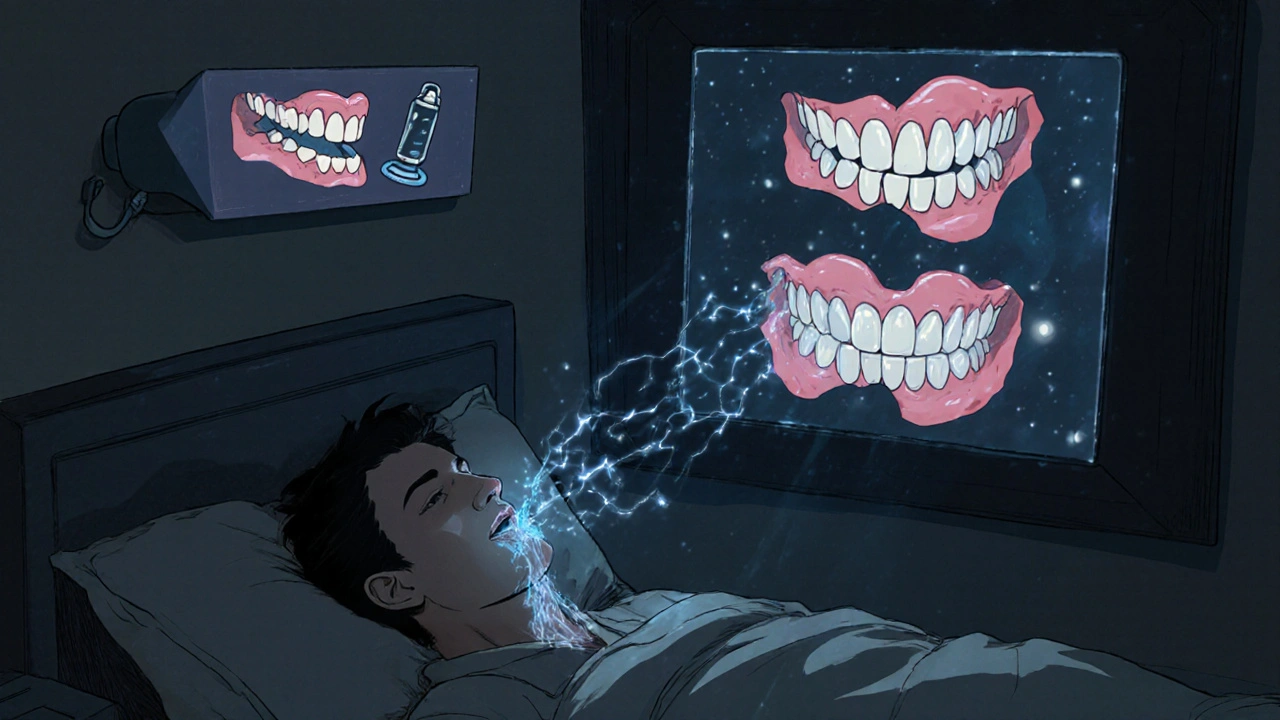
Dry mouth often gets worse at night. That’s when saliva production drops the most. Here’s a simple nighttime protocol:
- Brush your teeth with fluoride toothpaste-no rinsing afterward. Let the fluoride sit on your teeth.
- Apply a thin layer of Biotène Oralbalance Gel to your gums, tongue, and inner cheeks.
- Use a fluoride rinse or brush-on fluoride gel (like Prevident) if your dentist recommends it.
- Turn on a humidifier. Keep it clean to avoid mold.
- If you wear dentures, soak them overnight in a non-alcohol cleanser and rinse well before putting them back in.
Some people benefit from a custom fluoride tray made by their dentist. These are like mouthguards filled with fluoride gel, worn for a few minutes before bed. They deliver concentrated protection right where it’s needed.
When to See a Dentist
If you’ve tried the basics and still feel like your mouth is constantly dry, it’s time to see your dentist. They can check for signs of early decay, gum disease, or oral infections. They might also recommend:
- Prescription saliva stimulants like pilocarpine (Salagen) or cevimeline (Evoxac)
- Fluoride treatments every 3-6 months instead of yearly
- Adjustments to your medications, if possible (in coordination with your doctor)
Most dentists now screen for dry mouth during routine cleanings. If you’re on five or more medications, mention it. Many doctors don’t realize how common and damaging dry mouth is.
What Doesn’t Work (And Why)
There are a lot of myths out there.
- Drinking more water alone won’t fix it - Water doesn’t replace the protective enzymes and proteins in saliva. It gives temporary relief, but no lasting barrier.
- Mouthwashes with alcohol - They burn, but they dry you out more. Skip them.
- Home remedies like coconut oil or baking soda rinses - These might feel soothing, but they don’t contain proven moisturizing agents. Baking soda can even be abrasive over time.
- Chewing gum with sugar - It might feel good at first, but sugar feeds bacteria. In a dry mouth, that’s a recipe for cavities.
The science is clear: you need products designed for dry mouth-and consistent habits. No shortcuts.
Final Thoughts: It’s Manageable, Not Inevitable
Dry mouth isn’t something you just have to live with. With the right combination of products-like Biotène, ACT, or XyliMelts-and simple daily habits, you can keep your mouth comfortable and your teeth healthy. It’s not about spending a fortune. It’s about using the right tools consistently.
Start with one change: swap your regular mouthwash for an alcohol-free, xylitol-based rinse. Add a humidifier to your bedroom. Sip water instead of coffee after lunch. These small steps add up. And if you’re on medications that cause dry mouth, talk to your doctor. There might be alternatives-or at least a plan to protect your mouth while you take them.
Your mouth is your first line of defense. Don’t let dryness weaken it.
Can dry mouth cause permanent damage to teeth?
Yes, if left unmanaged. Without saliva to neutralize acids and wash away bacteria, tooth decay can progress rapidly. Cavities can form on root surfaces, between teeth, and even under fillings. Over time, this can lead to tooth loss. But with proper care-fluoride, xylitol, and hydration-the damage can be stopped or even reversed in early stages.
Is Biotène the only brand that works?
No, but it’s the most recommended by dental professionals. ACT, TheraBreath, and XyliMelts are also clinically proven. What matters most is the ingredients: xylitol, carboxymethylcellulose, and no alcohol. If you can’t find Biotène, check labels for these components.
How long does it take to see improvement?
Most people feel better within a few days of switching to dry mouth products and improving hydration. But protecting your teeth takes longer. It can take 3-6 months of consistent fluoride use and xylitol intake to significantly reduce cavity risk. Stick with it-even if you don’t feel it working right away.
Can dry mouth be cured?
It depends on the cause. If it’s from medication, you can’t always stop taking it. But you can manage the symptoms effectively. If it’s from dehydration or mouth breathing, fixing those habits can restore normal saliva flow. In rare cases, autoimmune conditions like Sjögren’s syndrome require medical treatment. But for most people, dry mouth is manageable with daily care.
Are dry mouth products covered by insurance?
Most over-the-counter dry mouth products aren’t covered. But if your dentist prescribes a fluoride gel or rinse, your dental insurance might cover part of the cost. Some HSA or FSA accounts let you use pre-tax dollars for these products. Always ask your provider or pharmacist.
Can children get dry mouth?
Yes, though it’s less common. It can happen due to medications (like asthma inhalers), mouth breathing from allergies, or dehydration. Kids with dry mouth need fluoride toothpaste and sugar-free xylitol products. Avoid giving them adult-strength mouthwashes. Always check with a pediatric dentist if symptoms persist.
Do I need to use all the products at once?
No. Start with one or two. A fluoride toothpaste and an alcohol-free rinse are the minimum. Add a gel at night if you wake up dry. Use lozenges or spray when you’re out. You don’t need to buy everything. Consistency matters more than quantity.
Next steps: Check your current mouthwash label. If it says “alcohol” or “SLS,” replace it this week. Buy one xylitol lozenge or a small tube of Biotène gel. Try sipping water every 30 minutes tomorrow. Small changes. Big results.





James Allen
November 29, 2025 AT 21:55Kelly Essenpreis
December 1, 2025 AT 13:37Suzanne Mollaneda Padin
December 3, 2025 AT 09:39Bonnie Youn
December 4, 2025 AT 15:16Alexander Williams
December 5, 2025 AT 11:33elizabeth muzichuk
December 6, 2025 AT 14:40Lauryn Smith
December 8, 2025 AT 07:44Rachel Stanton
December 9, 2025 AT 18:27Kenny Leow
December 11, 2025 AT 02:11Amber-Lynn Quinata
December 11, 2025 AT 03:21ariel nicholas
December 11, 2025 AT 08:36