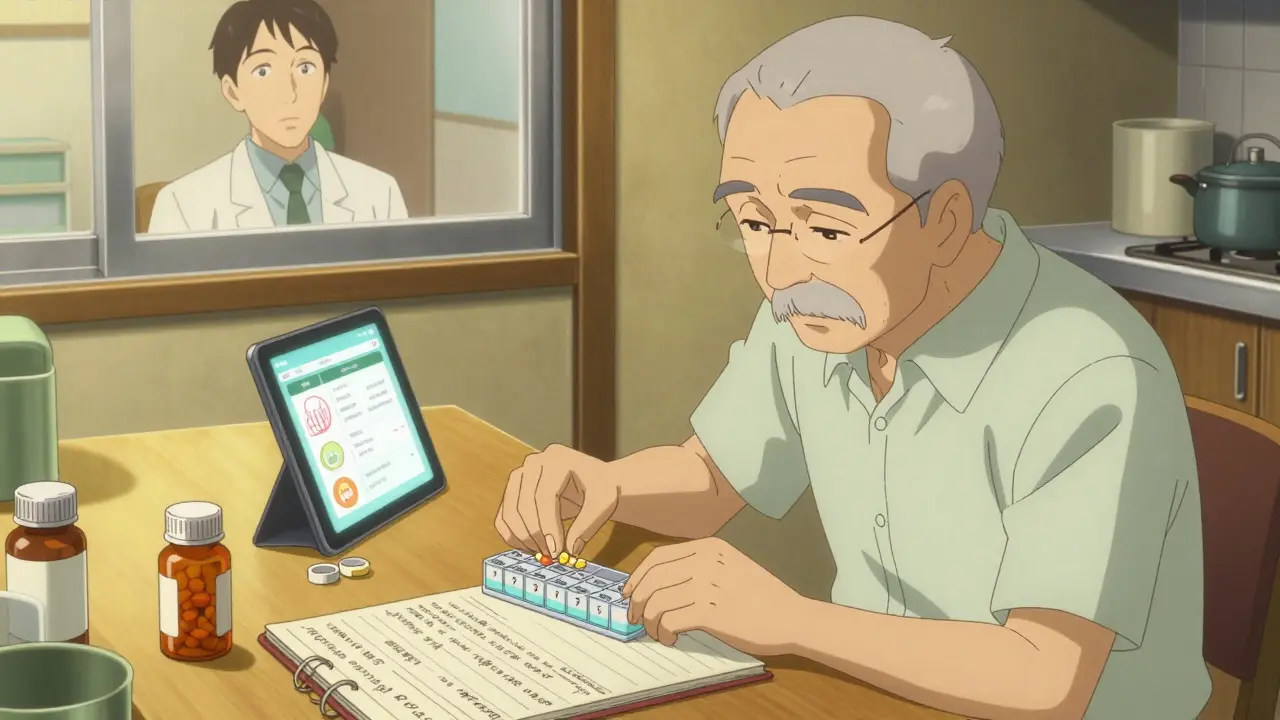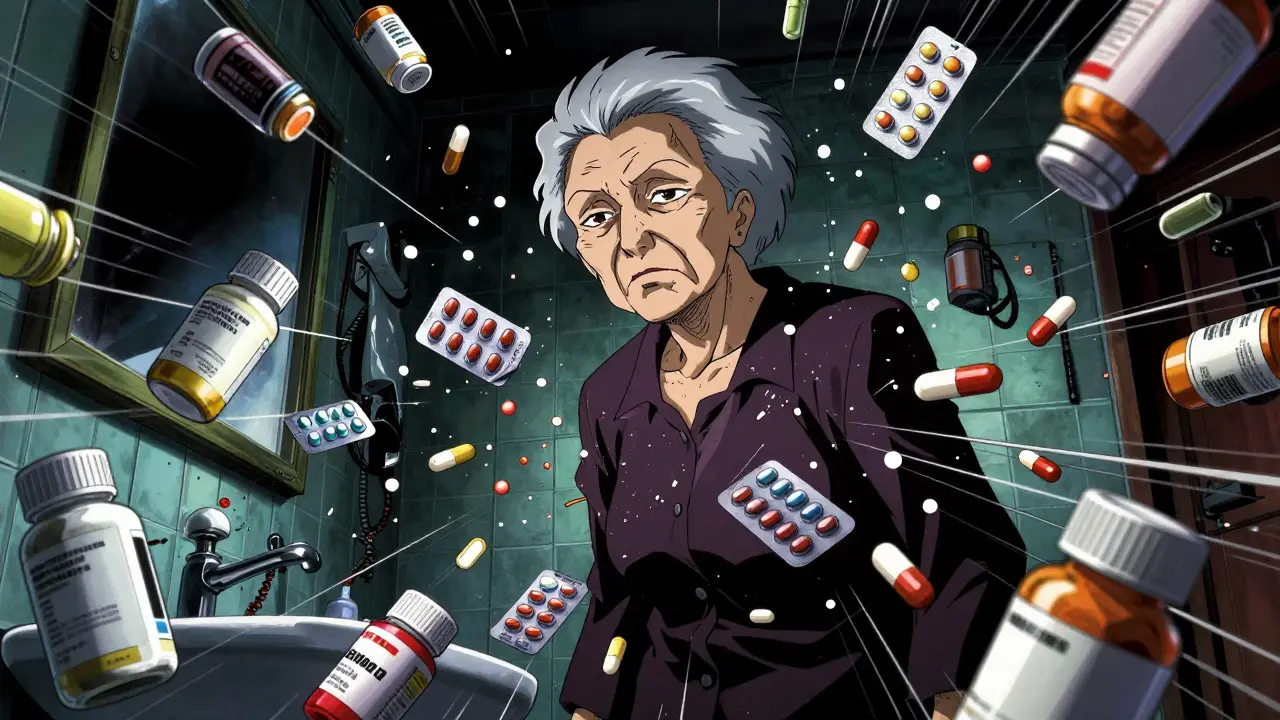
Imagine your grandmother takes a blood thinner for her heart, an antibiotic for a minor infection, and a daily multivitamin. On its own, each seems harmless. Together, they could trigger a dangerous bleed. This is the reality of drug-drug interactions (DDIs), which occur when one medication changes how another works in the body. For older adults, this risk isn't just theoretical-it's a leading cause of hospital visits. With aging comes slower metabolism and weaker kidneys, meaning drugs stay in the system longer and hit harder. When you add multiple prescriptions to the mix, the danger multiplies fast.
The stakes are high. About 35% of hospital admissions for people aged 65 and older are linked to medication issues, and more than half of those are preventable. The U.S. healthcare system spends roughly $177 billion annually on adverse drug events, a figure that grows as the population ages. By 2030, nearly one in five Americans will be over 65. Understanding how to spot and stop these interactions before they start is not just good practice; it’s essential for staying independent and healthy at home.
Why Older Adults Are More Vulnerable
Aging bodies process medicine differently than younger ones. It’s not just about having more conditions or seeing more doctors-though both matter. The real issue lies in physiology. As we age, liver enzymes like cytochrome P450 (CYP450) slow down. These enzymes break down about 75% of all medications. When they work slower, drugs build up in the bloodstream, increasing the chance of toxicity even at normal doses.
Kidney function also declines naturally with age. Since many drugs leave the body through urine, reduced renal clearance means medicines linger longer. Add in changes in body fat and water distribution, and you’ve got a perfect storm for unexpected side effects. A standard dose that works fine for a 40-year-old might overwhelm a 75-year-old.
Then there’s polypharmacy-the use of five or more medications-which affects around 40% of older adults in the U.S. The more pills someone takes, the higher the odds that two will clash. Cardiovascular drugs account for nearly 40% of serious interactions, while central nervous system medications make up almost 30%. That’s why beta-blockers, antidepressants, and sleep aids often come under scrutiny during medication reviews.
| Change | Impact on Medications | Risk Level |
|---|---|---|
| Slower liver enzyme activity | Drugs stay in system longer | High |
| Reduced kidney filtration | Accumulation of renally cleared drugs | High |
| Increased body fat ratio | Fat-soluble drugs last longer | Moderate |
| Decreased muscle mass | Altered dosing for weight-based meds | Moderate |
Common Culprits Behind Dangerous Interactions
Not all combinations are equal. Some pairings are far more likely to cause harm. Blood thinners like warfarin interact dangerously with NSAIDs such as ibuprofen or naproxen, raising bleeding risks. Statins used for cholesterol can boost levels of certain antibiotics, leading to muscle damage. Even common supplements like St. John’s Wort can reduce the effectiveness of heart medications and antidepressants.
Anticoagulants, antiplatelets, and anticoagulant-like herbs form a particularly risky trio. If someone takes aspirin for heart health, adds clopidogrel after a stent procedure, and then uses ginkgo biloba for memory support, they’re stacking up hemorrhage potential without realizing it. Similarly, mixing benzodiazepines for anxiety with opioids for pain increases sedation so much that breathing slows-a deadly combo seen too often in emergency rooms.
Even seemingly safe over-the-counter products pose threats. Antacids containing aluminum or magnesium can block absorption of thyroid hormones, bisphosphonates, and some antibiotics. Taking them within hours of each other renders the prescription useless. Many seniors don’t report using OTC remedies or herbal supplements, assuming they’re “natural” and therefore harmless. But nature doesn’t mean neutral-many plants contain active compounds that interfere with drug pathways.

Tools That Help Spot Problems Early
You don’t need to memorize every possible interaction. Healthcare providers rely on structured tools designed specifically for older patients. One widely used framework is the NO TEARS method, which breaks down medication review into seven steps:
- Need: Is this medication still necessary?
- Optimization: Is the dose right for current health status?
- Trade-offs: Do benefits outweigh risks?
- Economics: Can the patient afford it long-term?
- Administration: Is the person taking it correctly?
- Reduction: Can any drugs be stopped safely?
- Self-management: Does the patient understand their regimen?
This approach forces clinicians to look beyond labels and consider real-world usage. Another powerful resource is the STOPP criteria (Screening Tool of Older Persons' Potentially Inappropriate Prescriptions). Updated in 2015, it flags 114 potentially unsafe medications across 22 body systems. Studies show hospitals using STOPP during discharge planning cut inappropriate prescribing by nearly 35% and readmissions by over 20%.
The Beers Criteria, published biennially by the American Geriatrics Society, goes further. Its 2023 version lists 30 medication classes to avoid entirely in older adults and 40 others requiring dose adjustments based on kidney function. Implementing these guidelines has been shown to lower hospitalization rates by 17.3%, according to a 2022 JAMA Internal Medicine study.
How Caregivers and Family Members Can Help
If you help manage medications for an aging parent or relative, you hold significant power to prevent disasters. Start by gathering every pill bottle-prescription, over-the-counter, vitamins, herbs-and write down names, doses, and timing. Bring this list to every doctor visit. Don’t assume specialists know what primary care physicians prescribe. Fragmented care leads to duplication and conflict.
Ask direct questions. Instead of saying, “Is this okay?” try, “Could this new med affect my mom’s blood pressure medication?” Or, “Are there safer alternatives given her kidney function?” Doctors appreciate specificity. Also, check if your loved one qualifies for Medicare’s Medication Therapy Management program, which offers free pharmacist consultations to high-risk beneficiaries. In 2022, over 11 million seniors participated, and those who did saw a 15.3% drop in hospital stays.
Watch for red flags. New confusion, falls, dizziness, nausea, or sudden changes in appetite may signal an interaction rather than disease progression. Keep a symptom journal noting when symptoms appear relative to medication times. Patterns emerge quickly once tracked consistently.
What Providers Should Do Differently
Physicians must change habits. Starting two new medications at once creates diagnostic fog-if something goes wrong, no one knows which drug caused it. The American Academy of Family Physicians recommends introducing only one new agent per visit, especially in complex cases. Spend extra time reviewing existing regimens. Allocate at least 15 minutes solely for medication assessment when patients take five or more drugs.
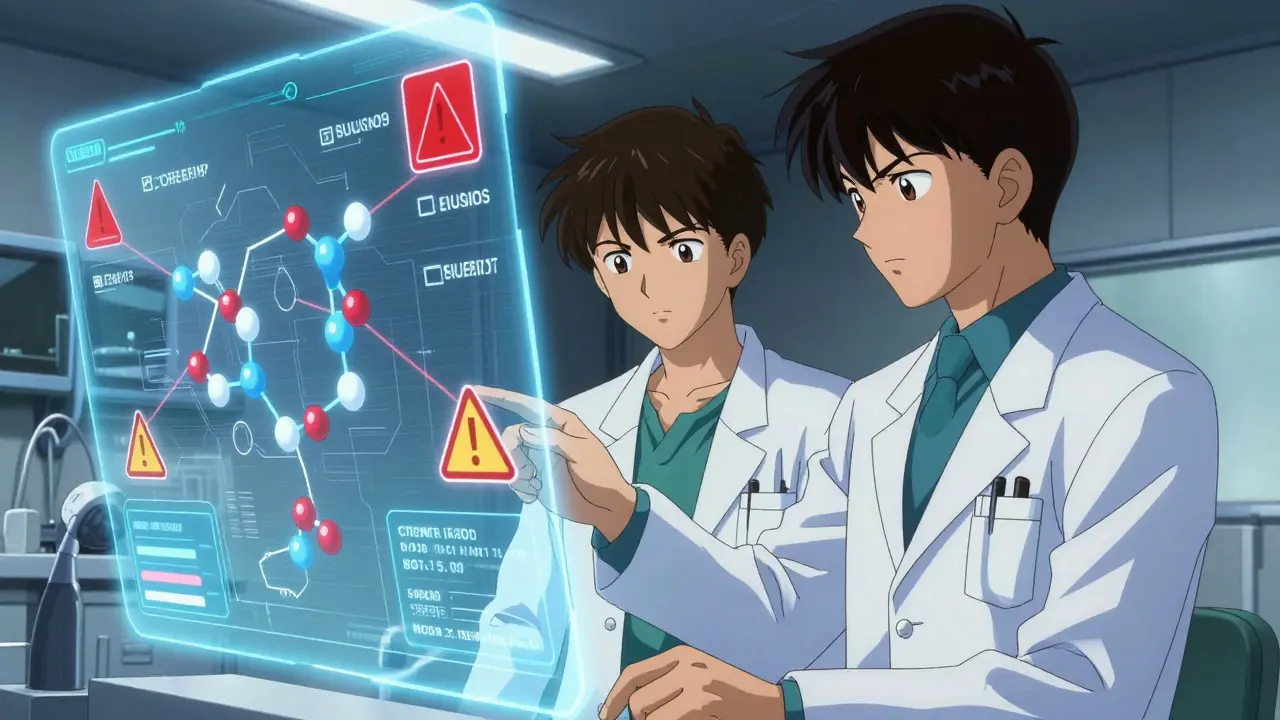
Use electronic health records wisely. Most modern systems flag known interactions automatically, but alerts get ignored due to alert fatigue. Customize notification thresholds to prioritize high-risk pairs involving anticoagulants, antipsychotics, or narrow-therapeutic-index drugs. Train staff to escalate critical warnings instead of dismissing them.
Collaborate with pharmacists. They spend more time analyzing drug profiles than most physicians do. Involve them early in treatment planning, especially when adding second-line therapies or managing chronic pain. Remote pharmacy services now allow virtual consultations, making expert input accessible even in rural areas.
Looking Ahead: Better Data, Smarter Systems
Progress is happening, slowly. The FDA updated its guidance in 2022 to require more geriatric data in clinical trials. Historically, older adults made up less than 5% of phase 3 trial participants despite being major users of prescribed drugs. New rules aim to triple pharmacokinetic studies in seniors between 2023 and 2027. Artificial intelligence-powered decision support systems are spreading too-adoption jumped from 22% to 47% of U.S. hospitals between 2020 and 2023.
Yet gaps remain. Only 28% of drug labels include specific interaction info for older adults. Medical schools lag behind: just 38% offer dedicated geriatric pharmacology courses, though that number should rise to 65% by 2026 thanks to new accreditation standards. Until education catches up, frontline workers must stay vigilant.
The next generation of screening tools promises better predictions. Physiologically based pharmacokinetic-pharmacodynamic (PBPK-PD) models simulate how drugs behave in aging bodies, accounting for organ decline and comorbidities. Though currently used in fewer than 5% of DDI assessments, experts expect rapid growth as computing power improves and regulatory pressure mounts.
What is a drug-drug interaction?
A drug-drug interaction happens when one medication alters the way another works in the body. This can increase side effects, reduce effectiveness, or create toxic buildup. Common examples include blood thinners interacting with pain relievers or antibiotics affecting hormone medications.
Why are elderly patients more prone to drug interactions?
Older adults have slower liver and kidney function, altered body composition, and often take multiple medications. These factors combine to prolong drug presence in the body and amplify unintended effects. Polypharmacy-taking five or more drugs-is present in 40% of seniors and significantly raises interaction risk.
Which medications are most likely to cause problems in older adults?
Cardiovascular drugs (like beta-blockers and statins) and central nervous system agents (including sedatives and antidepressants) account for over 60% of serious interactions. Over-the-counter NSAIDs, herbal supplements like St. John’s Wort, and antacids also frequently interfere with prescription regimens.
How can caregivers help prevent dangerous interactions?
Caregivers should maintain a complete list of all medications-including OTCs and supplements-and share it with every provider. Ask targeted questions about compatibility, monitor for new symptoms like confusion or falls, and enroll eligible relatives in Medicare’s Medication Therapy Management program for professional review.
What tools do doctors use to screen for risky combinations?
Clinicians rely on frameworks like the NO TEARS checklist for comprehensive evaluation, the STOPP criteria to identify potentially inappropriate prescriptions, and the Beers Criteria to flag medications to avoid or adjust in older adults. Electronic health records also provide automated alerts, though human judgment remains crucial.