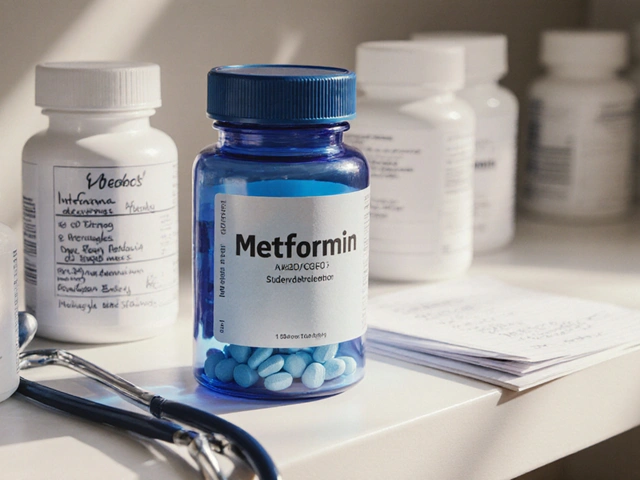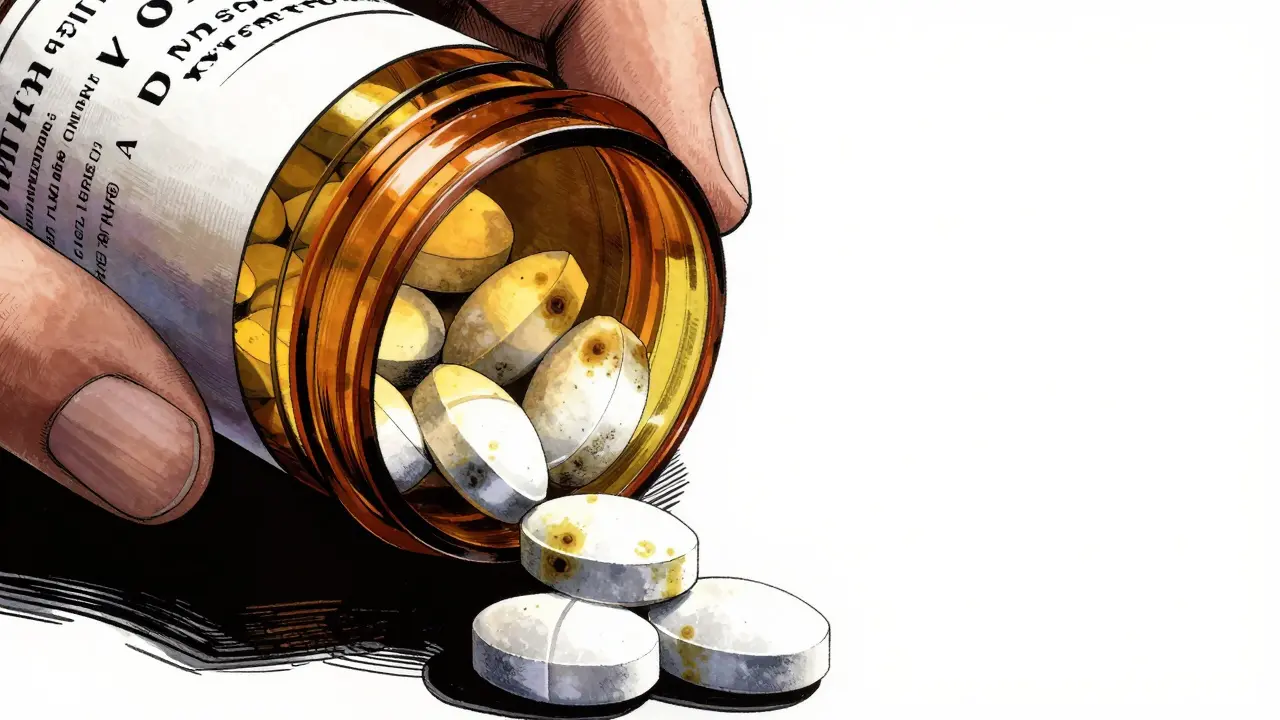
Have you ever dug through your medicine cabinet and found a bottle of pills that looked slightly different than when you first bought them? Maybe the white tablets have turned a faint yellow, or the liquid cough syrup has developed a strange smell. It’s easy to shrug it off, thinking, "It probably still works." But ignoring these subtle shifts can be dangerous. Taking degraded medication doesn’t just mean you might not get better-it can actually make you sick.
Recognizing changes in color, odor, or texture is your first line of defense against taking expired drugs. While the expiration date on the label is the ultimate authority, physical inspection helps catch medications that have been stored improperly or are nearing the end of their safe life. This guide breaks down exactly what to look for, why these changes happen, and how to handle them safely.
The Science Behind Drug Degradation
To understand why your meds change appearance, you need to know what happens inside the bottle over time. Pharmaceuticals are complex chemical mixtures designed to remain stable for a specific period under controlled conditions. When those conditions break down-due to heat, humidity, light, or simple age-the active ingredients begin to decompose.
This process is called pharmaceutical degradation. It involves chemical reactions like oxidation (reaction with oxygen) or hydrolysis (reaction with water). For example, antibiotics like tetracycline can turn yellow or brown as they oxidize. This isn't just cosmetic; the chemical structure changes, meaning the drug no longer fights infection effectively and may produce toxic byproducts. Understanding this helps you see that a color change is often a visible sign of an invisible chemical breakdown.
Visual Inspection: Spotting Color Changes
Discoloration is the most common warning sign of an expired or degraded drug. According to studies, including research conducted by NASA on pharmaceutical stability, discoloration was observed in nearly 70% of expired solid dosage forms. Here is what to watch for:
- Tablets and Capsules: White pills should stay white. If you see yellowing, browning, or gray spots, throw them out. Brown spots on the edges of tablets often indicate moisture damage. If a capsule shell becomes sticky, translucent, or changes from its original matte finish, the contents have likely absorbed moisture.
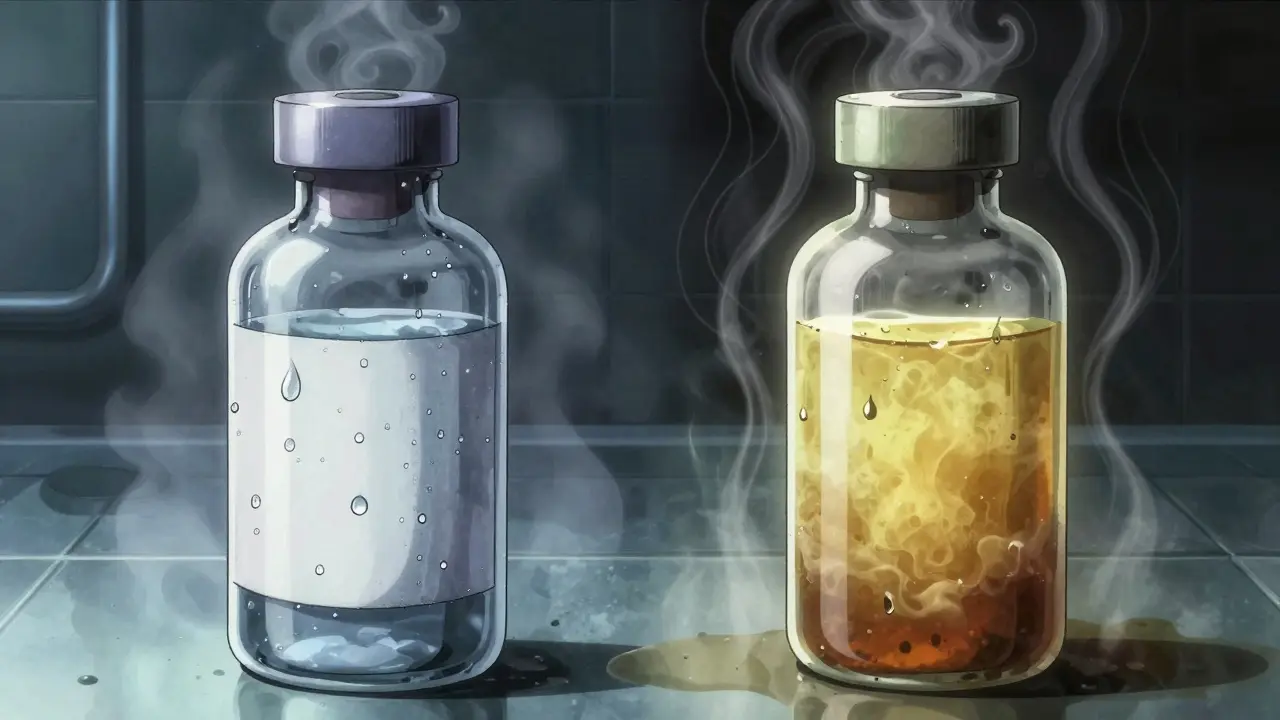
- Liquids: Clear liquids should remain clear. Cloudiness, haziness, or a shift toward yellow or brown indicates particle formation or chemical breakdown. For instance, nitroglycerin solutions can turn from clear to yellow-brown when exposed to light.
- Semi-solids: Creams and ointments should have a uniform consistency. If you see separation where oil pools on top or the cream turns grainy, it has degraded.
When inspecting, hold the medication up to a bright, neutral light source against a white background. This makes subtle color shifts much easier to detect. Don't rely on dim bathroom lighting, which can mask early signs of discoloration.
Olfactory Checks: Detecting Unusual Odors
Your nose is a surprisingly effective tool for checking medication integrity. Most drugs have a characteristic smell, whether it's the bitter chalkiness of antacids or the distinct scent of certain syrups. A significant deviation from that baseline smell is a red flag.
If a liquid medication smells sour, fermented, or simply "off," do not use it. This often signals microbial contamination, especially in non-sterile liquids like eye drops or suspensions that require shaking. Similarly, if a pill has a strong chemical odor that wasn't there before, it may be releasing volatile compounds due to breakdown. Note that some medications naturally have strong smells, so compare the current scent to your memory of when the package was fresh. If you're unsure, discard it.
Tactile Assessment: Texture and Consistency
Texture changes are critical indicators, particularly for semi-solid and liquid formulations. These changes often point to phase separation, where the components of the drug stop mixing properly.
| Formulation Type | Normal State | Signs of Expiration/Degradation |
|---|---|---|
| Creams/Ointments | Smooth, uniform | Cracking, drying out, or separating into oil and water layers |
| Liquids/Syrups | Consistent viscosity | Thinning unexpectedly, thickening, or forming crystals/sediment at the bottom |
| Tablets | Hard, smooth surface | Chalking (powdery residue), crumbling, or becoming soft/sticky |
| Capsules | Firm shell, free-flowing powder | Sticky shells, caking of internal powder, or clumping |
For creams, try spreading a small amount on your finger. If it feels gritty or separates into two distinct phases (oil-off or water-off), the emulsion has broken. In liquids, shake the bottle well. If particles do not dissolve back into the solution after vigorous shaking, or if they settle rapidly again, the suspension has failed. Crystals forming in a liquid that should be clear are a definitive sign of chemical instability.
Why Storage Conditions Matter
Even if a drug hasn't reached its printed expiration date, poor storage can accelerate degradation significantly. Heat and humidity are the biggest enemies of pharmaceutical stability. Storing medicines in a bathroom medicine cabinet is a common mistake because showers create fluctuating temperatures and high humidity levels.
Research shows that temperature fluctuations above 25°C (77°F) can accelerate physical changes by more than double. Always store medications in a cool, dry place away from direct sunlight. If you live in a humid climate, consider using desiccant packets in your storage container. Check the label for specific instructions: some insulin types require refrigeration, while others degrade if frozen. Ignoring these specific storage needs voids the manufacturer's guarantee of potency and safety.
Limitations of Visual Inspection
While looking, smelling, and touching are useful first steps, they are not foolproof. Some drugs degrade chemically without showing any obvious physical changes. For example, aspirin can lose potency and develop acetic acid (vinegar smell) only in late stages, but earlier degradation might be invisible. Conversely, some harmless excipients (inactive ingredients) might change color slightly without affecting the drug's safety.
Because of this, visual inspection should complement, not replace, checking the expiration date. The FDA warns that physical changes don't always correlate directly with safety risks in every case, but the risk is too high to gamble. If a drug looks normal but is past its expiration date, assume it is unsafe. The expiration date represents the last day the manufacturer guarantees full potency and safety under proper storage conditions.
Safe Disposal of Expired Medications
Once you identify a medication that has changed color, odor, or texture, or has passed its expiration date, dispose of it properly. Do not flush most medications down the toilet unless the label specifically instructs you to do so (usually for highly addictive substances like opioids). Flushing can contaminate water supplies.
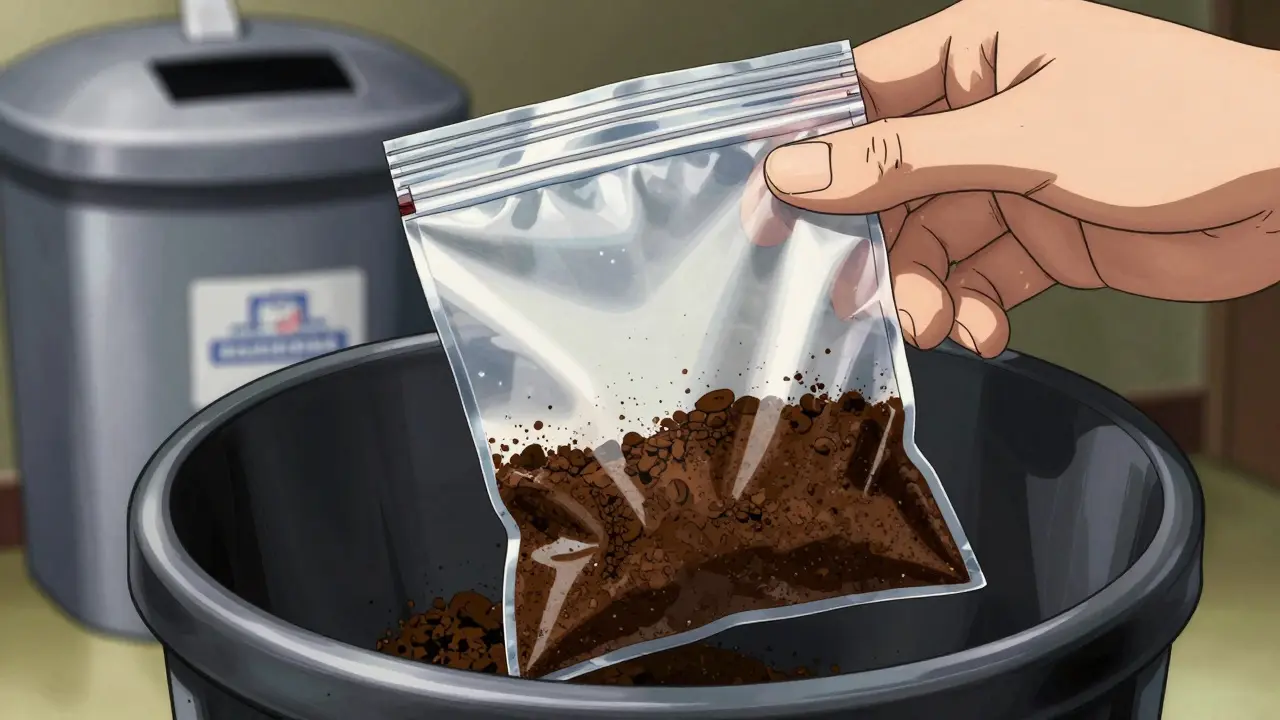
Instead, use a drug take-back program. Many pharmacies and law enforcement agencies host collection bins for expired drugs. If no take-back option is available, mix the medication with an unappealing substance like used coffee grounds or cat litter in a sealed plastic bag before throwing it in the household trash. Remove or scratch out all personal information from the prescription label to protect your privacy.
Can I take expired medication if it looks and smells fine?
No. Even if a medication appears unchanged, its chemical potency may have decreased, making it less effective. In some cases, like with tetracycline antibiotics, degradation can produce harmful toxins. Always follow the expiration date.
What causes pills to turn yellow or brown?
Yellowing or browning is usually caused by oxidation or exposure to light and moisture. This indicates that the active ingredients are breaking down. For example, aspirin can turn pinkish-yellow, and many antibiotics turn brown as they degrade.
Is it safe to use eye drops if they become cloudy?
No. Eye drops must be sterile. Cloudiness, particulate matter, or a change in clarity indicates potential microbial contamination or chemical precipitation. Using contaminated eye drops can lead to serious eye infections.
How should I store my medications to prevent premature degradation?
Store medications in a cool, dry place away from direct sunlight and humidity. Avoid bathrooms and kitchens. Keep bottles tightly closed and use the original packaging to protect against light. Follow specific storage instructions on the label, such as refrigeration for certain biologics.
What does "phase separation" mean in creams and ointments?
Phase separation occurs when the oil and water components of a cream or ointment stop mixing and separate into distinct layers. This means the product is no longer uniform, and you cannot ensure you are getting the correct dose of the active ingredient. It is a sign of expiration or improper storage.