Imagine waking up one morning to find your spouse speaking in circles, unable to remember what day it is, or acting like a completely different person. For families dealing with advanced liver disease, this isn't a scene from a horror movie-it's the terrifying reality of hepatic encephalopathy (HE). It’s a condition where the brain slows down because the liver can no longer filter toxins from the blood. While the word "encephalopathy" sounds intimidating, understanding how it works, how to treat it with medications like lactulose, and how to prevent flare-ups can mean the difference between a hospital stay and living at home.
This guide breaks down exactly what happens in the body during an HE episode, why that thick, sweet syrup doctors prescribe is actually a life-saver, and the specific triggers you need to watch for. We’ll skip the medical jargon and focus on practical steps you can take today to protect yourself or your loved ones.
What Is Hepatic Encephalopathy?
Hepatic encephalopathy is essentially a toxic buildup in the brain caused by liver failure. Think of your liver as your body’s water filtration plant. When it works correctly, it cleans out waste products so they can leave your body through urine or stool. One of the biggest toxins it filters is ammonia, a byproduct of protein digestion produced by bacteria in your gut.
When the liver is damaged-usually by cirrhosis, which is severe scarring-it can’t process ammonia efficiently. Instead of being cleared, the ammonia travels through the bloodstream, crosses the blood-brain barrier, and interferes with brain function. This causes the confusion, sleep issues, and personality changes associated with HE.
It’s important to know that HE exists on a spectrum. It doesn’t always look like a coma. In fact, many people experience "minimal" hepatic encephalopathy, where cognitive deficits are so subtle that only specialized tests can detect them. You might notice slight trouble concentrating or minor mood swings. If left untreated, these subtle signs can progress to overt stages:
- Grade 1: Mild confusion, short attention span, and disrupted sleep patterns (like sleeping during the day and staying awake at night).
- Grade 2: Disorientation regarding time or place, lethargy, and noticeable personality changes.
- Grade 3: Marked confusion, slurred speech, and difficulty recognizing family members.
- Grade 4: Coma, where the patient is unresponsive.
The good news? Unlike dementia, hepatic encephalopathy is often reversible. Once you lower the toxin levels and address the trigger, mental clarity usually returns.
Why Lactulose Is the Cornerstone Treatment
If you’ve been diagnosed with HE, your doctor has likely prescribed lactulose. It’s a synthetic sugar that tastes like thick, burnt caramel and looks like syrup. Many patients hate it, but it is the most effective first-line defense against HE episodes.
Lactulose works in two powerful ways inside your colon:
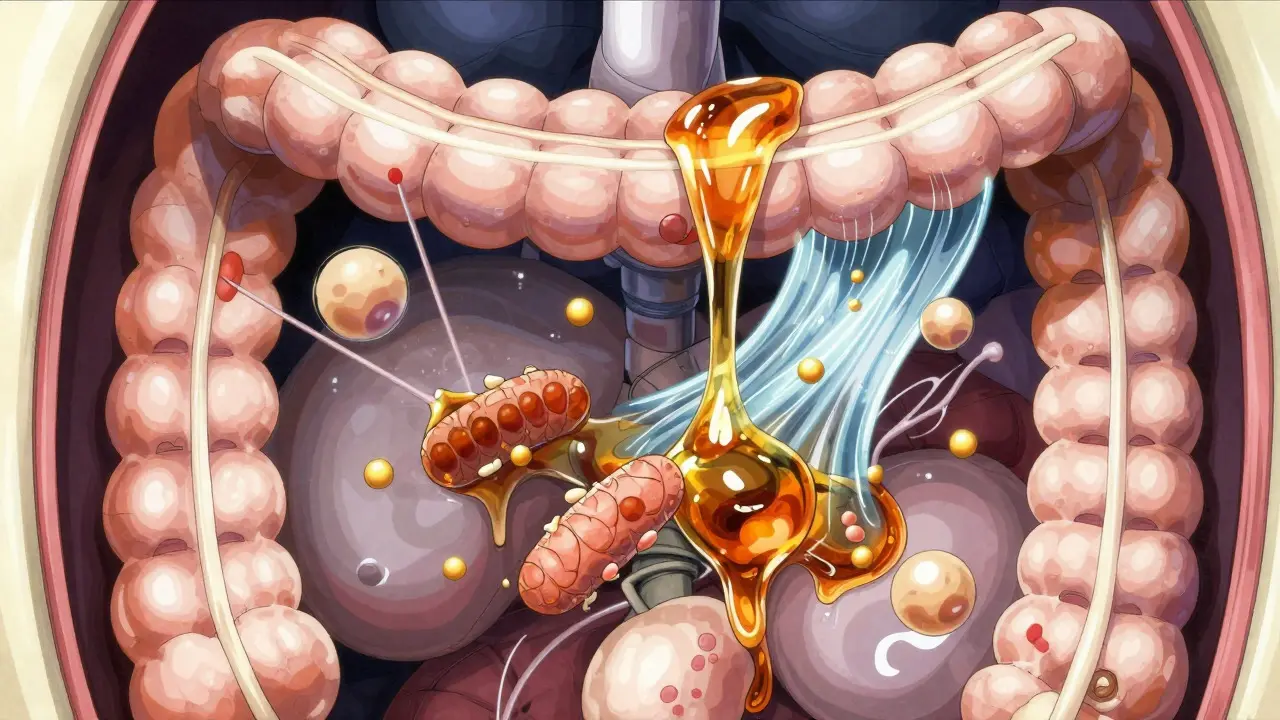
- Acidification: Bacteria in your gut break down lactulose into acids. This lowers the pH level in your colon. Ammonia (NH3) is easily absorbed into the blood, but when the environment becomes acidic, ammonia turns into ammonium (NH4+). Ammonium is charged and cannot cross back into the bloodstream-it gets trapped in the gut.
- Cathartic Effect: Lactulose draws water into the bowel, causing soft stools. This physically flushes out the trapped ammonium and the urease-producing bacteria that create ammonia in the first place.
The goal isn’t just to take the medicine; it’s to achieve a specific result: two to three soft bowel movements per day. If you’re having fewer than two, you aren’t clearing enough toxins. If you’re having more than four, you risk dehydration and electrolyte imbalances, which can ironically trigger another HE episode.
| Scenario | Dosage Recommendation | Target Outcome |
|---|---|---|
| Initial Acute Episode | 30-45 mL orally every 1-2 hours | First soft stool within 24 hours |
| Maintenance Therapy | 15-30 mL three times daily | 2-3 soft stools daily |
| Rectal Administration (if vomiting/unconscious) | 300 mL diluted in 700 mL water as enema | Rapid toxin clearance |
A common mistake patients make is stopping the medication once they feel better. Because HE is a chronic issue for those with cirrhosis, maintenance therapy is crucial. Consistency prevents the ammonia from building up again.
Identifying and Removing Triggers
Taking lactulose is only half the battle. Most HE episodes are triggered by something else happening in the body. If you don’t fix the trigger, the confusion will return even if you’re taking your meds. The American Association for the Study of Liver Diseases (AASLD) identifies several major culprits:
- Infections: Spontaneous bacterial peritonitis (infection of the abdominal fluid) accounts for 25-30% of HE cases. Urinary tract infections (UTIs) are also frequent triggers, especially in older adults who may not show typical pain symptoms.
- Gastrointestinal Bleeding: Blood in the digestive tract is a massive source of protein. As bacteria digest this blood, they produce huge amounts of ammonia. Upper GI bleeds cause 20-25% of episodes.
- Electrolyte Imbalances: Dehydration, vomiting, or diuretics (water pills) can lead to low potassium (hypokalemia). This imbalance encourages the kidneys to produce more ammonia.
- Constipation: If stool sits in the colon too long, bacteria have more time to produce ammonia, which then gets reabsorbed into the blood.
- Sedatives: Benzodiazepines and other sedatives slow down brain activity further, worsening confusion. They increase HE risk by over threefold.
To prevent flare-ups, keep a "trigger journal." Note any changes in diet, new medications, or signs of infection (like fever or burning during urination) alongside any moments of confusion. Over time, you’ll spot patterns that allow you to intervene early.
Dietary Misconceptions: Protein Is Not the Enemy
For decades, doctors told liver patients to restrict protein because it creates ammonia. This advice is outdated and potentially harmful. Starving your body of protein leads to muscle wasting. Since muscles help store and detoxify ammonia, losing muscle mass actually makes HE worse.
Current guidelines from the European Association for the Study of the Liver (EASL) recommend maintaining a high-protein diet of 1.2-1.5 grams per kilogram of body weight daily. However, the type of protein matters.
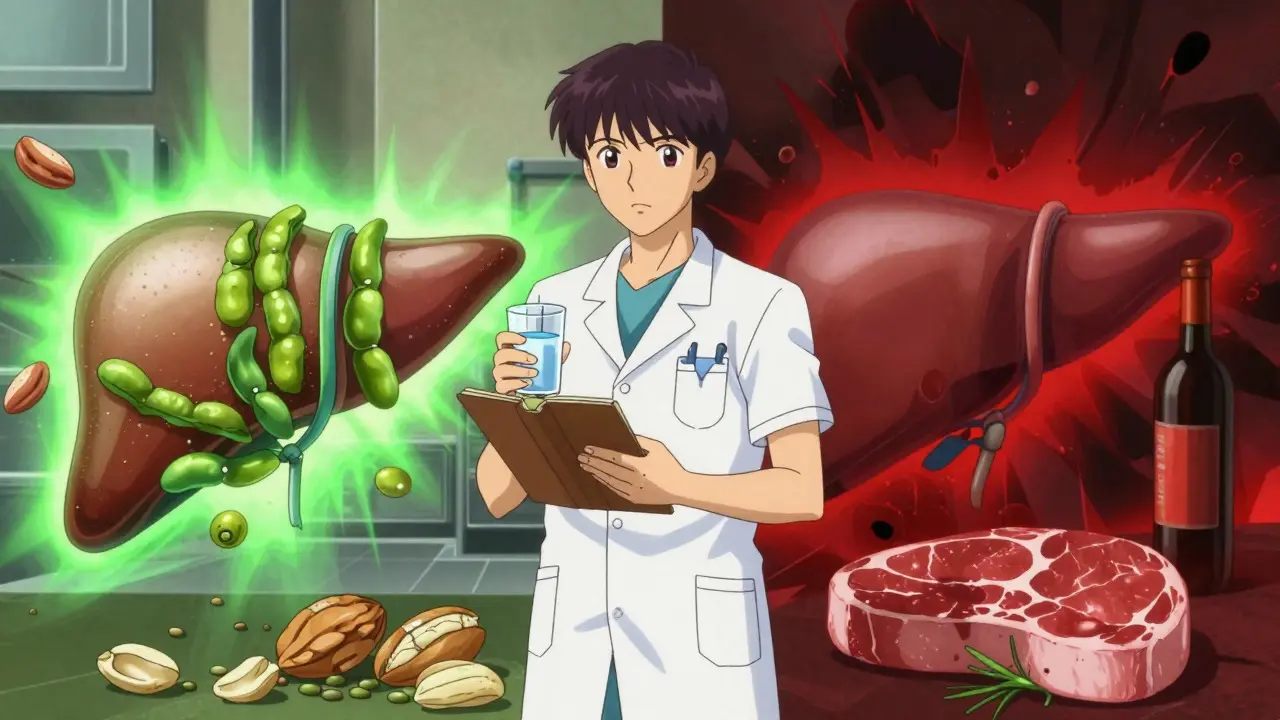
- Plant-Based Proteins: Beans, lentils, nuts, and vegetables contain fiber, which promotes bowel movements and reduces ammonia production. They are the best choice for HE patients.
- Dairy and Fish: These are moderate options. They provide essential amino acids without excessive ammonia load.
- Red Meat: Limit beef and pork. They generate more ammonia and lack the fiber benefits of plant proteins.
During an acute HE episode, you might temporarily reduce protein to 0.5 g/kg/day until mental status improves, but you should return to normal intake quickly to preserve muscle mass.
Advanced Treatments and Future Options
If lactulose alone isn’t keeping the confusion at bay, doctors often add rifaximin (brand name Xifaxan). This is a non-absorbable antibiotic that kills the gut bacteria responsible for producing ammonia. Studies show it reduces recurrent HE episodes by nearly 60%. While effective, it is expensive and carries a small risk of Clostridium difficile infection.
Other emerging therapies include:
- L-ornithine-L-aspartate (LOLA): An intravenous or oral supplement that helps the liver and muscles process ammonia more effectively.
- Fecal Microbiota Transplantation (FMT): Replacing the patient’s gut bacteria with healthy donor bacteria. Early trials show promise in normalizing ammonia levels in refractory cases.
- AST-120: An oral adsorbent approved in Japan and recently gaining traction elsewhere, which binds toxins in the gut before they enter the bloodstream.
For patients with end-stage liver disease who frequently experience HE despite optimal medical therapy, a liver transplant may be the only curative option. It addresses the root cause-the failing organ-rather than just managing the symptoms.
Practical Tips for Caregivers and Patients
Living with hepatic encephalopathy requires vigilance. Here are actionable steps to manage daily life:
- Track Bowel Movements: Keep a simple log. Aim for 2-3 soft stools. Adjust lactulose dose slightly up or down based on this metric, but consult your doctor before making big changes.
- Hydrate Aggressively: Dehydration concentrates toxins. Drink water consistently throughout the day, unless your doctor has restricted fluids due to ascites.
- Monitor Sleep Patterns: Day-night reversal is often the first sign of an impending HE episode. If you start sleeping all day, check for constipation or infection immediately.
- Use Cognitive Aids: During minimal HE, use calendars, alarms, and pill organizers. Don’t rely on memory, which is compromised.
- Avoid Alcohol Completely: Any alcohol consumption accelerates liver damage and increases ammonia production.
Remember, you are not alone. Approximately 30-45% of people with cirrhosis will experience overt HE at some point. With proper management, many maintain a good quality of life for years. The key is consistency with medication, smart dietary choices, and rapid response to potential triggers.
How long does it take for lactulose to work for hepatic encephalopathy?
Lactulose typically starts working within 24 to 48 hours. During an acute episode, doctors often prescribe higher doses every 1-2 hours until the first soft stool occurs. Mental clarity usually improves significantly once regular bowel movements are established. If there is no improvement after 48 hours, medical evaluation is needed to check for missed triggers like infection or bleeding.
Can hepatic encephalopathy be cured permanently?
Hepatic encephalopathy itself is reversible, but it tends to recur in patients with advanced liver disease. The underlying cause, cirrhosis, is generally permanent unless a liver transplant is performed. Therefore, HE is managed as a chronic condition rather than cured. Consistent use of lactulose and avoiding triggers can prevent episodes indefinitely for many patients.
What foods should I avoid if I have hepatic encephalopathy?
You do not need to avoid protein entirely, but you should limit red meat (beef, pork) as it produces more ammonia. Avoid alcohol completely. Also, minimize highly processed foods and excess salt, which can worsen fluid retention. Focus on plant-based proteins like beans, lentils, and nuts, along with plenty of fruits and vegetables to support bowel health.
Is rifaximin safe to take long-term?
Rifaximin is generally considered safe for long-term use because very little of the drug is absorbed into the bloodstream; it stays in the gut. However, it can be expensive. There is a small risk of developing Clostridium difficile infection, though this is rare. Always monitor for side effects like nausea or dizziness and discuss costs with your healthcare provider.
What are the early warning signs of an HE episode?
Early signs include subtle changes in sleep patterns (sleeping during the day), mild confusion, forgetfulness, irritability, or a change in handwriting. Constipation is also a major red flag. Family members often notice these changes before the patient does. If you suspect an episode, check for constipation, dehydration, or signs of infection immediately.