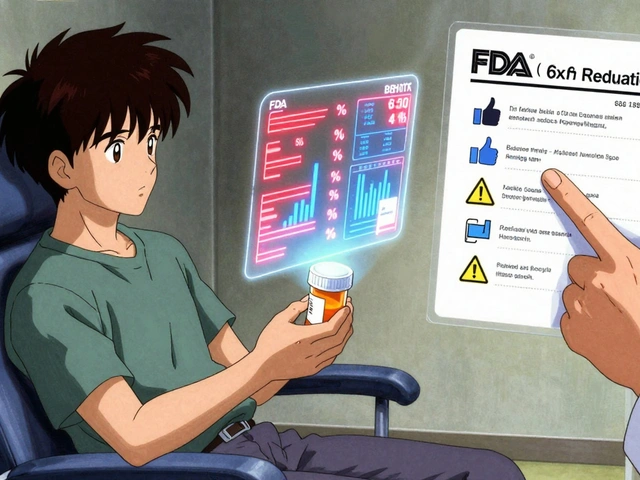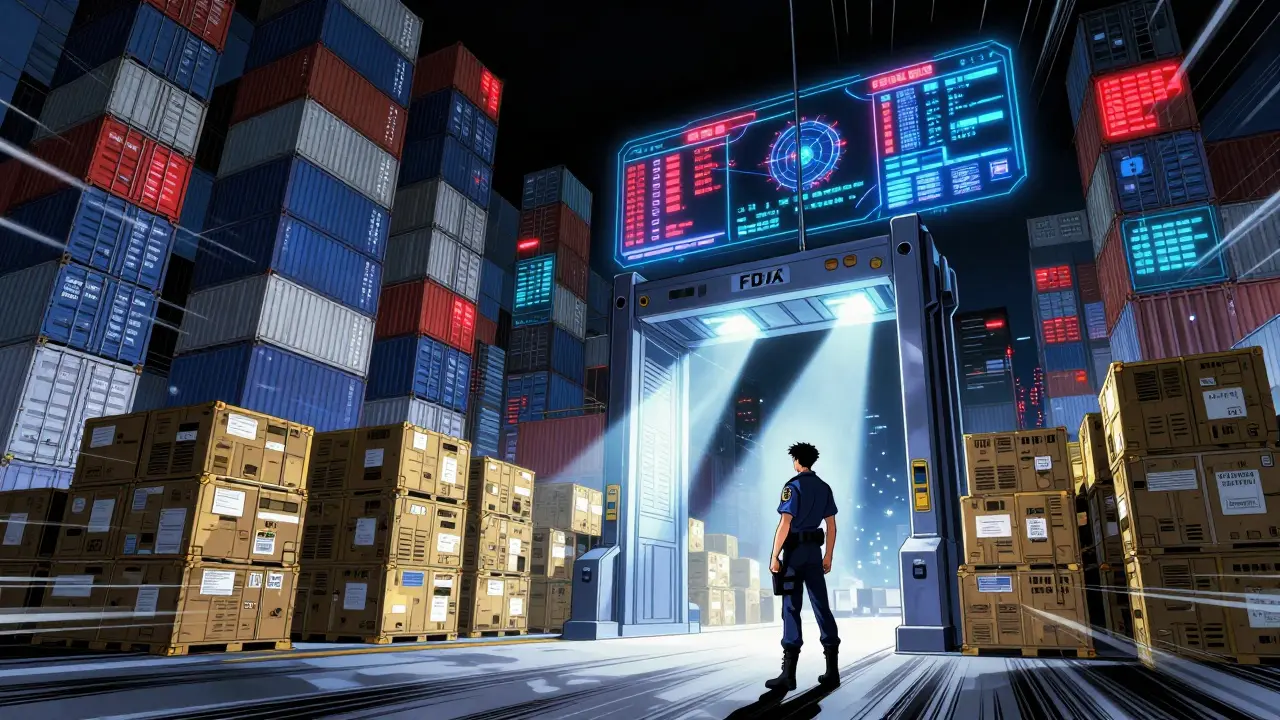
Every year, hundreds of millions of drug shipments cross U.S. borders. Most of them get through without a hitch. But for those that don’t, the consequences can be severe-from delayed treatments to public health crises. So, how does the U.S. Food and Drug Administration (FDA) ensure that every pill, vial, and ingredient entering the country meets strict safety standards? The answer lies in a complex, multi-layered inspection system designed to catch bad products before they reach your pharmacy shelf.
If you’re importing drugs or managing a supply chain that relies on international ingredients, understanding this process isn’t just bureaucratic homework-it’s critical for keeping your business running smoothly. In this guide, we’ll break down exactly how the FDA monitors imports, what triggers an inspection, and how you can avoid costly delays.
Key Takeaways
- All FDA-regulated drug imports are now subject to review, including low-value shipments previously exempt under de minimis rules.
- The FDA uses a risk-based electronic screening system that automatically reviews about 98% of entries, flagging high-risk items for physical inspection.
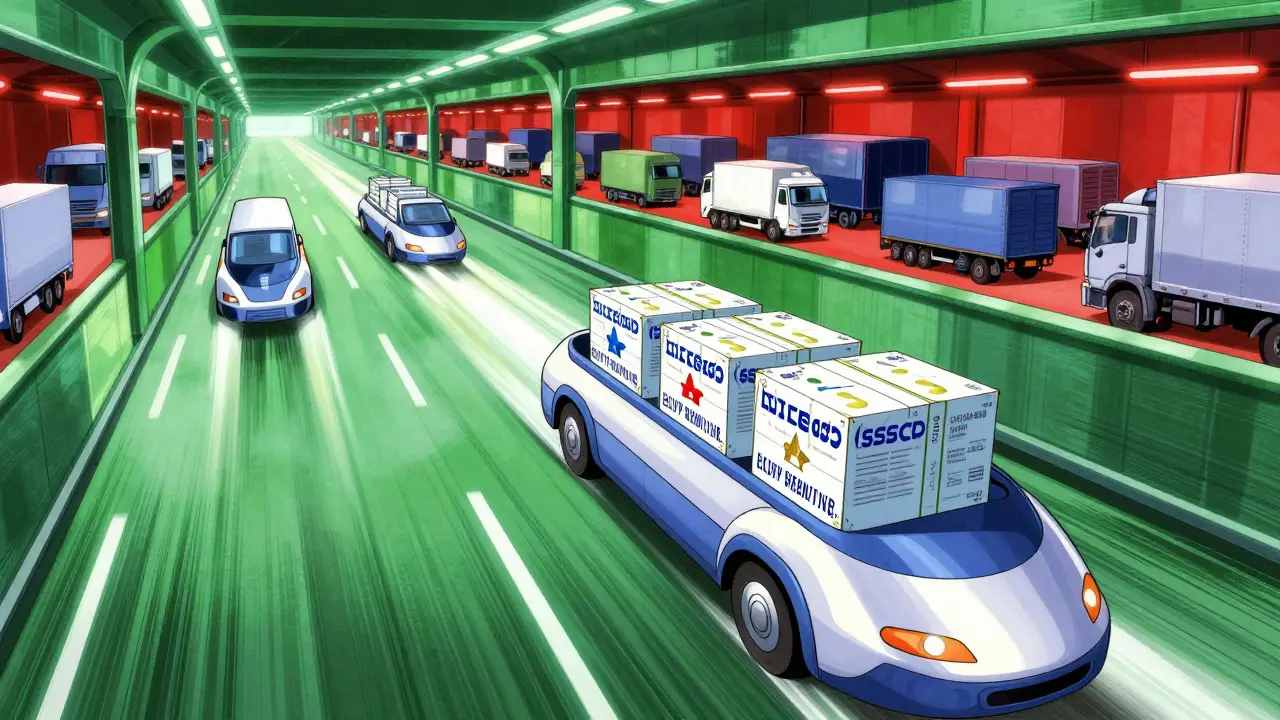
- Companies with perfect compliance records can join the Secure Supply Chain Pilot Program (SSCPP) to cut clearance times from weeks to days.
- Detention rates vary by port and product type, with generic APIs from certain regions facing higher scrutiny than brand-name drugs.
- Proper documentation-especially Affirmations of Compliance and correct product coding-is essential to avoid automatic holds.
How the FDA Import Inspection Process Works
The FDA doesn’t physically inspect every single shipment. That would be impossible given the volume-over 100 million drug shipments enter the U.S. annually. Instead, the agency relies on a five-phase system that prioritizes risk over random checks.
- Entry Submission: Importers submit entry data electronically via the Prior Notice System Interface (PNSI). This includes commercial invoices, bills of lading, and proof of registration.
- Entry Review: An automated analytics tool screens roughly 98% of entries. It flags shipments based on risk factors like manufacturer history, product type, and destination port.
- Examination and Sampling: Flagged shipments may undergo field exams, label checks, or lab testing. Inspectors typically collect 1-3 units per shipment for analysis.
- Compliance Review: If samples fail tests or labels violate 21 CFR Part 201 rules, the FDA issues a Detention without Physical Examination (DWPE) notice.
- Final Admissibility Decision: The FDA either releases the product, requires corrective action, or refuses entry entirely.
This system allows the FDA to focus resources where they matter most. For example, in fiscal year 2022, only 1.2% of all drug shipments were physically examined-but those targeted had a 14.3% detention rate, with nearly two-thirds ultimately refused entry.
What Triggers an FDA Inspection?
Not all red flags are created equal. The FDA’s risk engine looks at several key indicators when deciding whether to hold a shipment:
- High-Risk Products: About 15.7% of reviewed entries are flagged due to known issues with similar products (e.g., contaminated APIs).
- Incomplete Documentation: Roughly 8.3% of entries stall because of missing or incorrect paperwork.
- Detention History: Shipments tied to manufacturers under DWPE status face automatic holds-this affects 12.1% of reviewed entries.
- Targeted Campaigns: During outbreaks or recalls, the FDA may specifically target certain products or origins (6.2% of cases).
For instance, after the 2022 valsartan contamination incident, the FDA intensified scrutiny on angiotensin II receptor blockers imported from specific facilities in India and China. Even compliant companies felt the ripple effect as neighboring suppliers faced extended delays.

The Secure Supply Chain Pilot Program (SSCPP): A Faster Lane
Want to skip the line? Enter the Secure Supply Chain Pilot Program (SSCPP) a fast-track clearance option for trusted pharmaceutical manufacturers. Launched in January 2019, SSCPP lets eligible companies import both active pharmaceutical ingredients (APIs) and finished drugs with minimal port-side inspections.
| Feature | Standard Import | SSCPP Participant |
|---|---|---|
| Average Clearance Time | 7-10 business days | 24-48 hours |
| Inspection Frequency | Risk-based targeting | Minimal, pre-approved protocols |
| Eligibility Requirement | None | Perfect compliance for 3+ years |
| Number of Participants (Q3 2023) | N/A | 27 manufacturers |
To qualify, you must pass rigorous internal controls reviews and maintain zero violations for at least three consecutive years. As of Q3 2023, only 27 manufacturers participated, each allowed to designate up to five products for expedited handling. Johnson & Johnson reported reducing shipment variability from ±5 days to ±8 hours-a game-changer for just-in-time manufacturing.
But here’s the catch: smaller firms often struggle to meet these criteria. Teva Pharmaceuticals noted that DWPE rates for some Indian API suppliers hit 37% in Q2 2023, even when their own records were clean. Until broader eligibility expands (planned for Q2 2024), many generics makers remain stuck in the slow lane.
Common Pitfalls That Delay Your Shipment
Even if your product is safe and legal, small mistakes can trigger big headaches. Based on CBP data and broker surveys, here are the top reasons shipments get held:
- Incorrect Product Coding (28% of delays): Using wrong HS codes or FDA product classifiers confuses the system. Always double-check against the latest EEIR guidelines.
- Missing Registration Verification (21%): Facilities not registered with FDA-or listed incorrectly-will cause immediate holds. Update your facility info annually.
- Labeling Discrepancies (19%): Labels must comply with 21 CFR Part 201. Missing lot numbers, expiration dates, or bilingual requirements can sink a shipment.
- Affirmation of Compliance Errors: These forms confirm your product meets U.S. standards. One typo can add 4.7 business days to processing time.
Customs brokers report that 58% of clients complain about unpredictable timelines. Building relationships with local FDA entry reviewers helps-one survey found direct communication cuts processing times by 22-35%. Don’t wait until something goes wrong; establish contact early.
Recent Changes You Need to Know About
In October 2023, CBP eliminated the de minimis exemption for FDA-regulated goods. Previously, packages under $800 slipped through with little oversight. Now, everything gets reviewed-including academic research samples and personal-use medications.
This change was necessary but disruptive. Biotech startups saw sample import costs jump $285-$420 per shipment, adding 3-5 days to research timelines. Academic medical centers reported “significant delays” in clinical trials relying on imported reagents.
On the flip side, the FDA is expanding SSCPP to include contract manufacturing organizations and aims to grow participation from 27 to 50 companies by mid-2024. They’re also piloting blockchain integration for supply chain verification starting Q1 2024, which could reduce fraud detection gaps.
FAQ
Does the FDA inspect every drug shipment entering the US?
No. The FDA inspects only a small fraction-about 1.2%-of all drug shipments. However, it electronically reviews nearly all entries using a risk-based algorithm. High-risk items, incomplete documents, or flagged manufacturers trigger physical inspections.
What happens if my shipment is detained by the FDA?
If detained, your shipment will be held at the port until the FDA completes its review. You may receive a Detention without Physical Examination (DWPE) notice requiring corrections. Failure to resolve issues leads to refusal of entry, destruction, or return of goods.
How can I speed up FDA import clearance?
Join the Secure Supply Chain Pilot Program (SSCPP) if eligible. Maintain flawless compliance records for three years, ensure accurate labeling and documentation, and build relationships with port-level FDA reviewers. Electronic submissions via PNSI also help streamline the process.
Are generic drugs inspected more strictly than brand-name drugs?
Yes, according to industry surveys. Generic APIs, especially those sourced from India and China, face higher detention rates due to past quality concerns. Brand-name drugs generally benefit from established trust and lower risk profiles.
What changed with the de minimis exemption in 2023?
CBP ended the exemption allowing low-value (<$800) FDA-regulated shipments to bypass full inspection. All imports now undergo review, closing loopholes used for illicit substances. While improving security, this increased costs and delays for researchers and small businesses.
How long does FDA import approval take?
Standard imports take 7-10 business days on average. SSCPP participants clear shipments in 24-48 hours. Delays occur due to documentation errors, sampling needs, or heightened scrutiny during recall periods.
Can I appeal an FDA detention decision?
Yes. Submit a formal response addressing the cited violations within the timeframe specified in the detention notice. Include evidence such as lab reports, updated labels, or corrected registrations. Successful appeals result in release; failures lead to refusal.
Who should I contact if my shipment is stuck?
Reach out to the FDA’s 24/7 port-specific contact centers first. Average response time is 1.8 hours. For ongoing issues, engage a licensed customs broker familiar with pharmaceutical imports and consider reaching directly to the assigned FDA entry reviewer.