FDA Safety Communications Search Tool
Type a drug name or device to see example warnings from the FDA archive
Example: Try searching for "Vioxx", "Avandia", or "insulin pump"
How FDA Warnings Evolved Over Time
1914
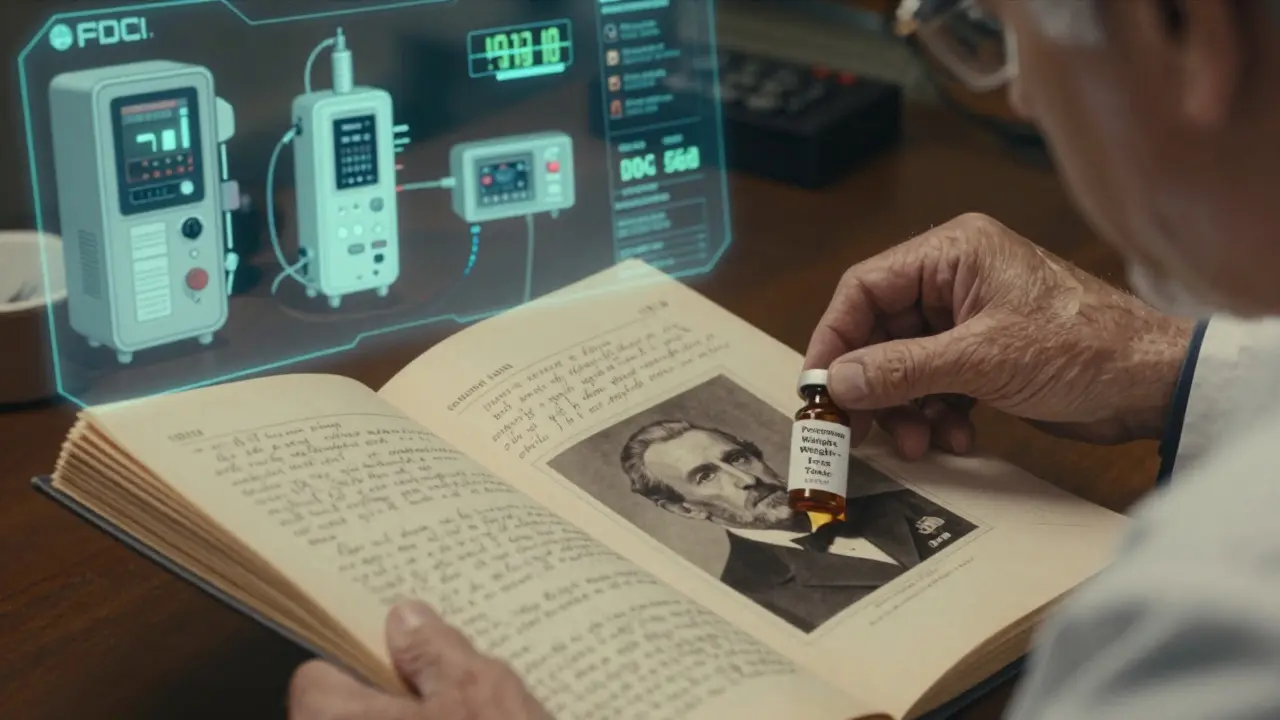
Dr. Harvey Washington Wiley exposed weight-loss products containing poison in "Swindled Getting Slim"
Drug Safety Communications2004
Vioxx (rofecoxib) withdrawn from market
Drug Safety Communications2007
Rosiglitazone (Avandia) safety concerns raised
Drug Safety Communications2010
Official Drug Safety Communications archive begins
Drug Safety Communications2016
Drug Safety-related Labeling Changes (SrLC) Database starts tracking label changes
SrLC Database2020
Early Alerts system expanded to all medical devices
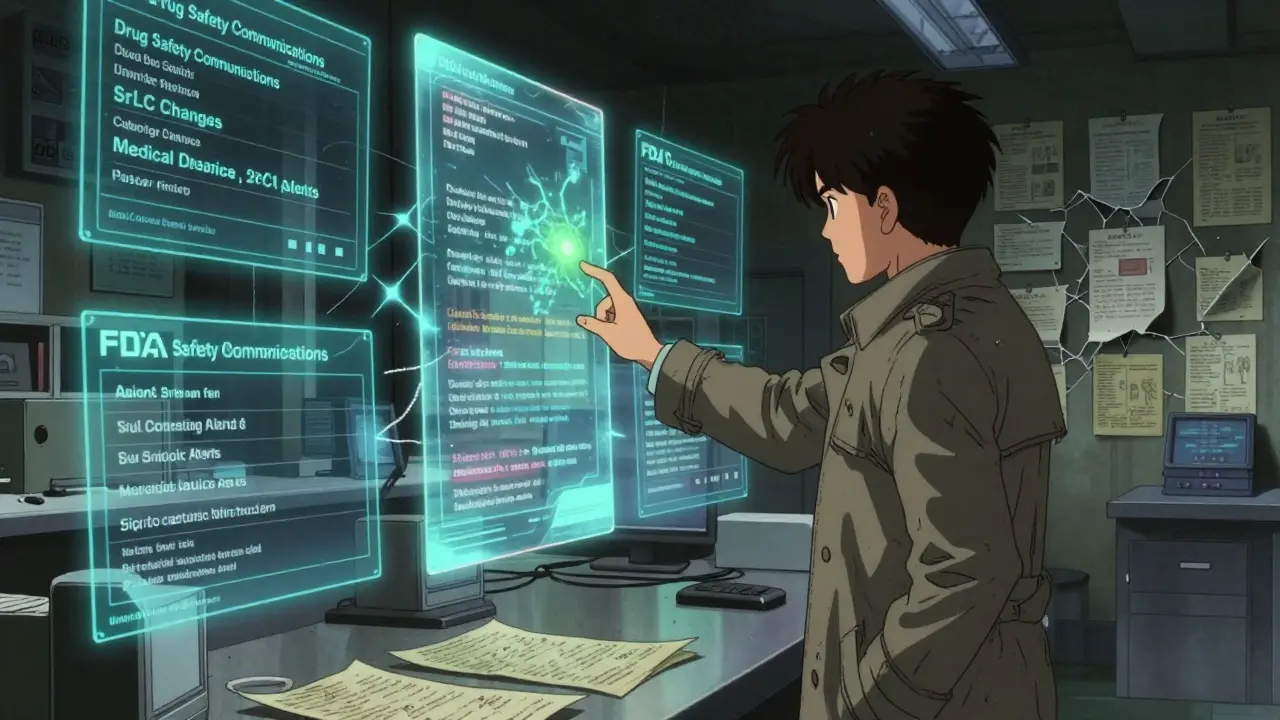
Device Safety CommunicationsThe U.S. Food and Drug Administration (FDA) doesn’t just issue warnings - it keeps a detailed, searchable record of every one. If you’re trying to understand why a medication was pulled from the market five years ago, or how a medical device warning evolved over time, the FDA Safety Communications Archive is your most reliable source. Unlike news reports or scattered blog posts, this archive gives you direct access to official, dated, and fully documented safety notices issued by the agency itself. And it’s free.
What’s in the FDA Safety Communications Archive?
The archive isn’t one single database. It’s three main systems working together, each with its own focus and rules. First, there are the Drug Safety Communications (DSCs). These are public alerts about prescription drugs and biological products. They started being formally archived in 2010, and you can browse them year by year up to 2024. If a warning was updated in 2018, the original 2015 version doesn’t vanish - it’s moved to the archive section with a note saying, "This has been superseded by a newer communication." Second, there’s the Drug Safety-related Labeling Changes (SrLC) Database. This one is more technical. It tracks every single change made to a drug’s official safety label since January 2016. That includes updates to sections like BOXED WARNINGS, CONTRAINDICATIONS, and WARNINGS AND PRECAUTIONS. These aren’t just summaries - they’re the exact wording the FDA required manufacturers to add or change. For example, if a drug’s label now says "May increase risk of liver injury in patients with pre-existing condition," that change was logged here with the date and reason.Third, there’s the Medical Device Safety Communications system. These cover everything from pacemakers to surgical scissors. Unlike drug alerts, device warnings include "Early Alerts" - notices the FDA issues when it believes a device poses a serious risk before a recall is even ordered. As of September 29, 2025, the FDA expanded this program to cover all medical devices, not just high-risk ones. This means if a new insulin pump model starts showing a pattern of malfunction, you’ll find the alert here before it hits the headlines.
How far back does the archive go?
For drugs, the formal DSC system began in 2010. But if you’re researching something from 2005, you’re not out of luck. The FDA’s Website Archive lets you view older versions of its web pages. Just type in the URL of a past safety page, and the archive will show you what it looked like in 2008 or 2012. This is especially useful for tracking how warnings evolved - for example, how a warning about a diabetes drug changed from "use with caution" to "contraindicated in severe renal impairment" over five years.For even older records - say, pre-1990 - you need to go further back. The National Archives holds physical and digital records from the FDA’s early years (1877-1978). These include handwritten reports, manufacturer correspondence, and internal memos from the time when the agency was first cracking down on fake "cure-all" tonics. One famous example from 1914: Dr. Harvey Washington Wiley, the FDA’s first chief chemist, exposed weight-loss products that were just poison. His article "Swindled Getting Slim" is still cited today as an early case of consumer protection.
What’s missing? The gaps in the archive
The SrLC Database only starts in 2016. That means if you’re studying a drug like rosiglitazone (Avandia), which had major safety issues in 2007, you won’t find its labeling changes in the SrLC system. You’ll need to dig into the archived DSCs or the National Archives for that. Similarly, medical device alerts before 2020 are harder to find because the Early Alert system wasn’t fully digitalized until recently.Another gap: not all warnings are equally visible. Some communications had a big impact - hospitals stopped using a certain drug overnight. Others? Nurses didn’t even notice. A 2012 study in the Journal of the American Medical Informatics Association found that nearly 40% of FDA drug warnings had little to no effect on prescribing habits. That’s why researchers now treat the archive not just as a record, but as a tool to study how people respond to risk information.
How to use the archive effectively
Start at the FDA’s Drug Safety and Availability page. From there, click on "Drug Safety Communications" to see the yearly archives. Use the search bar to look up a drug name - even if it’s been discontinued, the warning will still appear. For labeling changes, go to the SrLC Database and search by drug name or active ingredient. You’ll see a table showing each change, the date, and the exact section of the label affected.For devices, visit the Medical Device Safety Communications page. Filter by year, device type, or alert type. If you’re looking for a specific recall, check the "Recalls" section - each recall links back to the original safety communication.
Need something before 2010? Use the FDA Web Archive. Type in the old URL, or search by keyword. You’ll see snapshots of pages as they looked in 2007, 2009, even 2003. It’s not perfect - some images and links are broken - but the text remains intact.
Why this matters for patients, doctors, and researchers
If you’re a patient, this archive helps you understand why your doctor switched your medication. If you’re a clinician, it shows you how warnings have changed over time - not just what’s current, but what was once considered safe. For researchers, it’s a goldmine. You can track how a drug’s safety profile changed after post-market studies, or compare how the FDA handled similar risks across different products.For example, you could compare the FDA’s response to two heart drugs: one with a sudden black box warning in 2007, and another with gradual labeling changes over 12 years. The archive lets you see the timeline - not just the final outcome. That’s critical for understanding how regulatory science works in real time.
What’s next? The future of the archive
In October 2023, the FDA announced a new resource to help researchers access historical drug approval data. This means more than just warnings - it’ll include original application documents, clinical trial summaries, and review memos. That’s a game-changer for anyone studying how drugs get approved and how safety concerns emerge after launch.Also, the FDA is working to better link drug and device archives. Right now, you have to jump between two separate systems. In the future, you might be able to search "metformin and pacemaker" and get all related safety communications - even if they came from different departments.
One thing won’t change: the archive is free, public, and updated daily. No subscription. No paywall. Just direct access to the same information the FDA uses to protect public health.
Can I find FDA safety warnings for drugs that were pulled from the market?
Yes. Even if a drug is no longer sold, its safety communications remain in the archive. Search by the drug’s generic or brand name in the Drug Safety Communications section. For example, you can still find the 2010 warning about the painkiller Vioxx, even though it was withdrawn in 2004. The archive preserves the official record, regardless of current availability.
Is the SrLC Database only for prescription drugs?
Yes. The SrLC Database covers only human prescription drugs regulated under New Drug Applications (NDAs) and biological products under Biologics License Applications (BLAs). It does not include over-the-counter (OTC) drugs, dietary supplements, or veterinary medications. For OTC warnings, check the Drug Safety Communications archive instead.
How often does the FDA update the archive?
The FDA updates its safety communications daily. New Drug Safety Communications and Medical Device Alerts are posted as soon as they’re approved. The SrLC Database is updated weekly with new labeling changes. The archive itself is not manually updated - it automatically reflects the latest versions, and older versions are preserved in the web archive.
Are there mobile apps or tools to search the FDA archive?
The FDA does not offer an official mobile app for the archive. However, the website is mobile-friendly and works well on smartphones. Some third-party apps and research tools (like Medscape or Epocrates) pull data from the FDA archive, but they may not include historical versions. For full access, always go directly to the FDA’s official site.
Can I download or export data from the FDA archive?
Yes. The SrLC Database offers downloadable CSV files for all labeling changes since 2016. The Drug Safety Communications archive allows you to export lists of alerts by year in PDF or Excel format. For bulk research, you can also request datasets directly from the FDA’s Division of Drug Information via email at [email protected].