Medication Coverage Analyzer
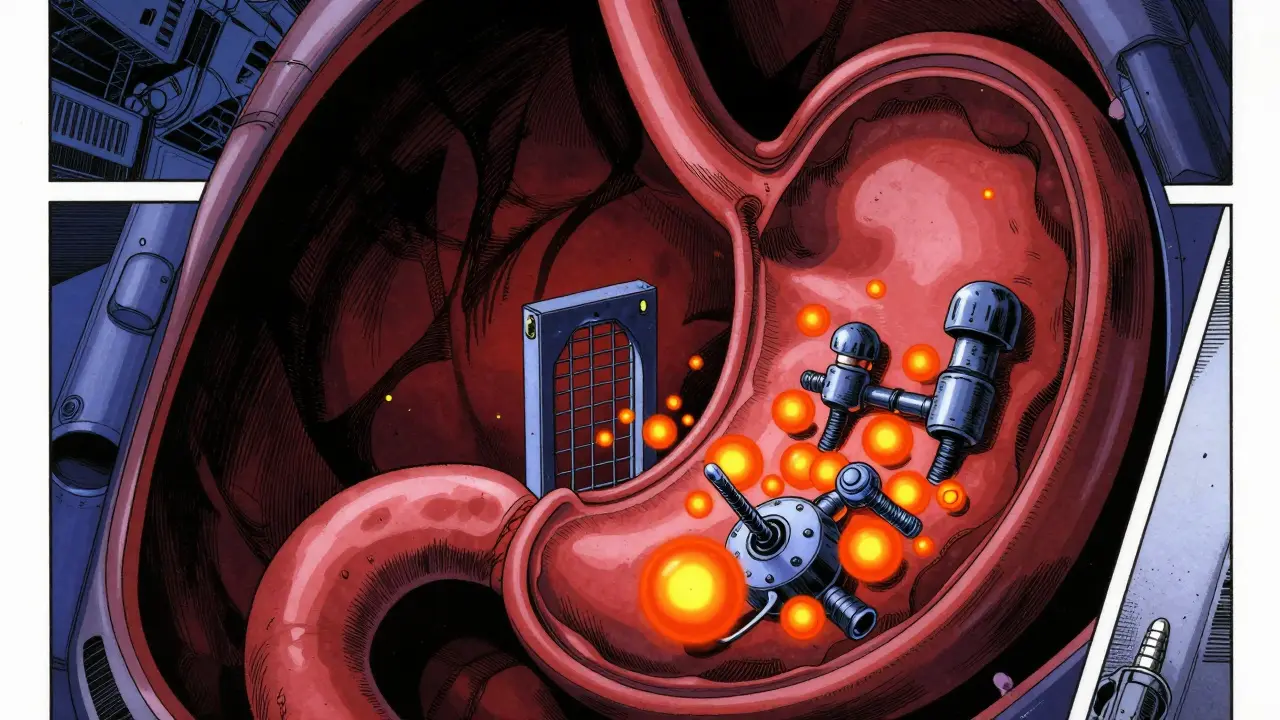
Select your current acid-suppressant regimen below to visualize how much time you have stomach acid coverage protected per day and understand potential risks.
Clinical Reality Check
Analysis Results
Select a regimen to begin.
Risk Profile:
Here's a hard truth: approximately 15% to 20% of hospitalized patients are receiving both medications at the same time without solid evidence showing it helps them.
You might be wondering why doctors would prescribe two different acid-reducing drugs simultaneously. The answer gets complicated fast, but the core issue is simple-most people taking this combination don't need both medications, yet they're exposed to double the potential side effects and costs.
Understanding How Each Medication Works Differently
Histamine-2 Receptor Antagonists, commonly called H2 blockers, are medications that reduce stomach acid by blocking specific receptors on gastric parietal cells. Think of them as turning down the volume on your body's natural acid production signal.
When you take cimetidine, famotidine, or ranitidine, these drugs compete with histamine for binding sites on your stomach lining. This reduces acid output by roughly 50% to 70%, but the effect wears off after 6 to 12 hours because your body keeps producing new receptors.
Proton Pump Inhibitors, known in medical shorthand as PPIs, completely shut down the enzyme responsible for pumping acid into your stomach. Drugs like omeprazole, lansoprazole, pantoprazole, and esomeprazole block the actual machinery making acid rather than just the signal telling it to work.
The key difference matters most for timing. H2 blockers start working within one hour, giving you quick relief, but their short half-life means symptoms can return by late afternoon. PPIs take 2 to 5 days to reach full effect because they need active proton pumps to bind to, yet once active, they provide near-complete acid suppression lasting 24 hours.
| Attribute | H2 Blockers | PPIs |
|---|---|---|
| Onset of Action | Within 1 hour | 2-5 days for maximum effect |
| Duration of Effect | 6-12 hours | Up to 24 hours |
| Acid Reduction | 50-70% | 90-98% |
| Mechanism | Blocks H2 receptors | Inhibits proton pump |
| Common Examples | Famotidine, Cimetidine | Omeprazole, Pantoprazole |
Why Combining Them Creates Problems More Than Benefits
The logic behind using both sounds reasonable until you look at how they interact. PPIs are so effective at suppressing acid that there's hardly any histamine stimulation left for H2 blockers to work against. It's like trying to catch rain with an umbrella when there's no rain falling.
A study published in the Journal of Clinical Gastroenterology tested exactly this scenario. They added ranitidine to patients already stabilized on omeprazole. The result? Only a marginal 5% additional reduction in daily acid exposure. For most patients, that tiny gain doesn't justify exposing them to two medications' combined side effects.
Dr. Peter Katz from the American College of Gastroenterology points out something critical: combination therapy only shows meaningful benefit for patients with documented nocturnal acid breakthrough. This means nighttime pH monitoring must show intragastric pH below 4 for more than 60 minutes between midnight and 6 AM despite adequate morning PPI dosing. Without documentation like this, you're essentially flying blind.
The American Gastroenterological Association's 2021 guideline was direct about this issue. They state that the marginal benefit of adding an H2 blocker to a PPI does not justify the additional cost, potential drug interactions, and cumulative side effect profile for routine GERD management.
Safety Risks That Actually Matter
We need to talk about what happens when you use these medications long-term, especially together. A landmark analysis in JAMA Internal Medicine examined nearly 80,000 ICU patients and found some surprising numbers.
- Patients on PPIs faced a 30% higher risk of hospital-acquired pneumonia compared to those on H2 blockers alone
- They had 32% increased risk of Clostridium difficile infection
- Surprisingly, PPI use correlated with 22% higher gastrointestinal bleeding risk-the opposite of what many clinicians expected
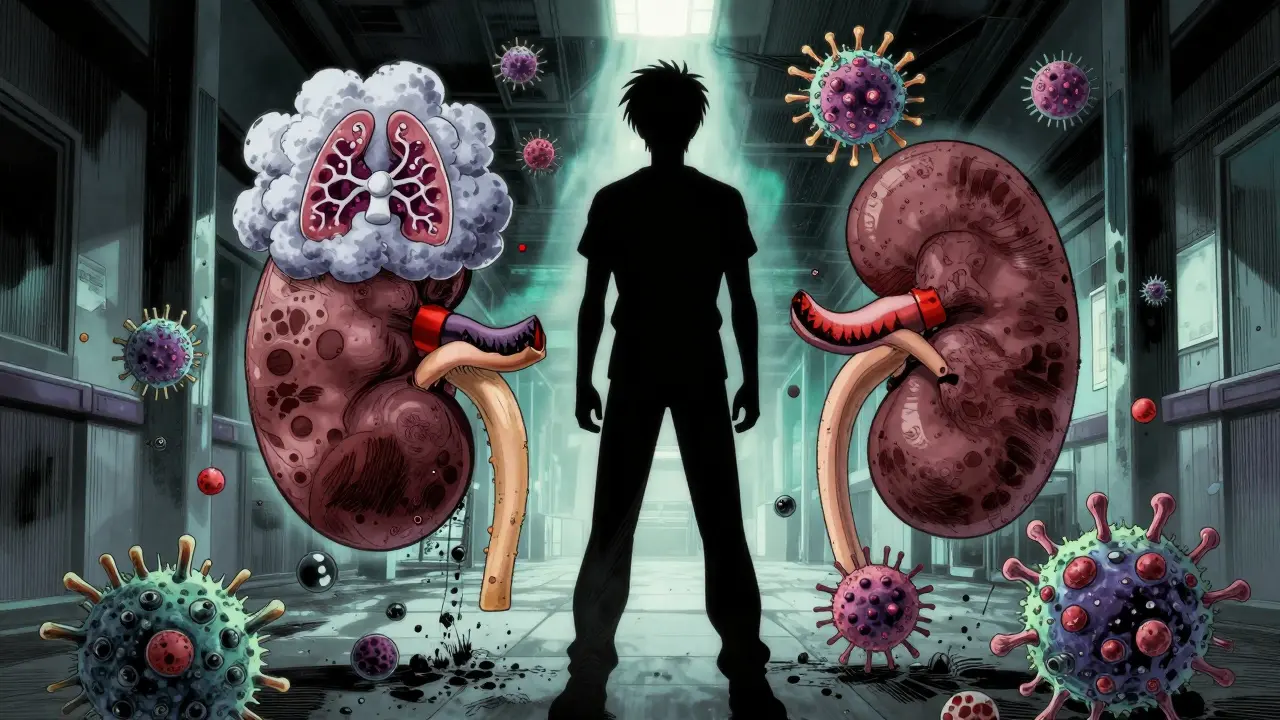
Kidney health deserves special attention here. Researchers at BMC Nephrology followed over 3,600 patients with chronic kidney disease for 4+ years. Those taking PPIs showed 28% higher progression rates to end-stage kidney disease compared to patients managed with H2 blockers instead. If you have kidney issues, this statistic changes everything about your medication choices.
Vitamin deficiencies become real problems too. On Drugs.com, nearly 12% of patients reviewing PPIs reported nutrient absorption issues. Long-term acid suppression interferes with magnesium, calcium, B12, and iron uptake. Your body needs stomach acid to break food down properly, and removing too much creates nutritional gaps over time.
When Combination Therapy Might Actually Be Appropriate
Don't write off all combination use entirely. There ARE legitimate scenarios where both medications serve a purpose, but they require strict criteria.
The American College of Gastroenterology specifies clear boundaries. Short-term combination therapy may make sense for patients who:
- Document nocturnal acid breakthrough through 24-hour pH monitoring
- Are already on twice-daily PPI therapy without symptom control
- Show measurable improvement after adding H2 blockers
Even then, the rule is discontinue the H2RA after 4 to 8 weeks if no sustained improvement occurs. This isn't about convenience-it's about preventing unnecessary long-term exposure. Dr. John Inadomi from the University of Washington calls widespread dual therapy "a perfect storm of unnecessary medication exposure," noting that approximately 70% of PPI prescriptions are inappropriate.
The Department of Veterans Affairs takes this further. Their 2021 Clinical Practice Guideline mandates a "PPI time-out" every 90 days. Every three months, your care team must document continued necessity, and combination therapy requires specific evidence of nocturnal symptoms AND failure of PPI monotherapy before staying on board.
Nutrient Absorption and Hidden Side Effects
Stomach acid isn't just there to burn things-it serves important functions. When you suppress it excessively, several metabolic pathways get disrupted.
Magnesium deficiency emerges particularly with PPIs. The kidneys conserve magnesium, but low stomach acid reduces intestinal absorption. Patients on PPIs for longer than a year often show serum magnesium levels dropping below 1.8 mg/dL, triggering muscle cramps, irregular heart rhythms, and seizure risk in severe cases.
B12 absorption becomes problematic after several years of PPI use. The vitamin binds to intrinsic factor in the gut, but this process requires an acidic environment initially. Studies show B12 deficiency rates climbing to 15% among patients taking PPIs for five years or more compared to 3% in non-users.
Clostridium difficile infections represent another serious concern. Stomach acid kills many bacteria attempting to colonize your intestines. Remove that barrier, and resistant strains find easy entry. The FDA issued safety warnings in 2011 linking PPIs to increased C. diff-associated diarrhea risk, requiring black box caution language for high-dose, prolonged use.

Drug Interactions You Need to Monitor
This gets technical but matters for medication safety. Older H2 blockers like cimetidine inhibit cytochrome P450 enzymes-specifically CYP1A2, CYP2C9, CYP2D6, and CYP3A4 systems in your liver that metabolize dozens of other drugs.
Why this matters practically: cimetidine can raise blood levels of warfarin, phenytoin, theophylline, and benzodiazepines, sometimes to dangerous concentrations. If you're taking multiple medications, famotidine presents a safer alternative since newer H2 blockers have minimal enzyme interference.
PPIs themselves have interaction profiles worth knowing. Omeprazole blocks CYP2C19, affecting metabolism of clopidogrel-a heart attack prevention medication. The interaction can reduce clopidogrel effectiveness by up to 40%, potentially undermining cardiovascular protection. Switching to pantoprazole or dexlansoprazole avoids this particular problem.
Breaking Free from Dependency Patterns
Many people report difficulty stopping PPIs after long-term use. Reddit's r/GERD community has over 14,500 members, and discussions frequently mention "PPI dependence" as a major frustration. About 42% of users say discontinuing feels impossible after extended use.
What actually happens physiologically? Chronic acid suppression causes rebound hyperacidity when you stop suddenly. Your body increases gastrin production to compensate, which temporarily raises acid beyond baseline levels when the medication leaves your system. Symptoms spike, creating a vicious cycle.
A successful tapering protocol involves gradual dose reduction over 4 to 8 weeks while implementing dietary modifications. Reduce portion sizes, eliminate trigger foods (spicy, acidic, caffeine, chocolate), maintain 3 hours between last meal and bedtime, and consider adding an H2 blocker during the transition period if symptoms flare.
Research published in 2020 shows patients successfully discontinued PPIs 73% of the time when following structured deprescribing protocols compared to only 29% success rate with abrupt cessation.
Can I take famotidine at night while using omeprazole in the morning?
Only if you've documented nocturnal acid breakthrough through pH monitoring. Without confirmation, the combination provides minimal benefit while doubling side effect risks. Discuss testing with your gastroenterologist first.
Which is safer for long-term use, H2 blockers or PPIs?
H2 blockers generally show better safety profiles regarding pneumonia risk, kidney outcomes, and nutrient absorption. However, they work less potently and wear off faster, making them better suited for intermittent rather than continuous acid control.
How do I know if I still need my acid medication?
Your doctor should reassess need every 90 days per Veterans Affairs guidelines. Ask for a "medication time-out" discussion at your next appointment. If you've been stable for 3+ months, attempt a supervised taper to test dependency versus true ongoing necessity.
What vitamins do acid reducers deplete?
Magnesium, calcium, vitamin B12, and iron absorption are reduced with chronic acid suppression. Annual screening for magnesium and B12 levels recommended for anyone on PPIs longer than one year.
Will switching from omeprazole to famotidine help if my current regimen causes side effects?
For mild reflux, yes-famotidine causes fewer vitamin deficiencies and kidney complications. For severe or erosive disease, you likely need PPI strength first, then reassess. Never switch without gastroenterologist supervision given condition severity variations.





Sakshi Mahant
April 2, 2026 AT 16:20In India we see similar patterns with patients often ending up on multiple drugs unnecessarily. It is concerning that hospital protocols encourage dual therapy without confirming nocturnal breakthrough first.
HARSH GUSANI
April 4, 2026 AT 00:39Doctors prescribe everything blindly without testing first! 🙅♂️ Checking pH monitoring before dumping two pills down is a necessity 📉 My family gets confused by these conflicting rules 💊 #SaveMoney
Rob Newton
April 4, 2026 AT 10:17People ignore the side effects until their kidneys fail eventually.
Divine Manna
April 4, 2026 AT 21:05Modern medicine often overlooks the intricate balance of bodily systems.
Suppressing stomach acid creates unintended consequences elsewhere.
We must consider the full physiological picture before medication.
Gastric acid plays a vital role in digestion beyond heartburn relief.
Chronic suppression leads to malabsorption of essential nutrients regularly.
Patients rarely receive adequate warnings about these specific deficiencies.
Medical literature supports reducing unnecessary polypharmacy significantly.
Clinical trials show marginal benefits for combination therapies mostly.
Cost considerations should play a larger role in prescription decisions.
Insurance companies rarely incentivize deprescribing protocols properly.
Physicians face pressure to treat symptoms rather than underlying causes.
The rebound effect creates dependency that feels impossible to break.
Tapering strategies remain underutilized in routine clinical practice today.
Natural healing pathways exist when given time and proper nutrition support.
Education shifts power dynamics back toward patient autonomy effectively.
Beth LeCours
April 6, 2026 AT 16:22The amount of technical detail presented here makes me lose interest quickly.
Goodwin Colangelo
April 8, 2026 AT 03:06Taking small steps with diet changes helps reduce reliance on the meds gradually. You do not need to throw away all your prescriptions overnight but tracking symptoms helps.
Joey Petelle
April 9, 2026 AT 19:56God knows our healthcare system loves throwing pills at problems until someone cries about bankruptcy. It is amusing how the industry pushes combinations while ignoring basic physiology entirely.
Joseph Rutakangwa
April 11, 2026 AT 06:04We should focus on tapering methods instead of just stopping abruptly everyone fears getting sick again
Vicki Marinker
April 11, 2026 AT 19:24The reliance on empirical observation rather than controlled data is disconcerting to observe in current practices. Guidelines often lag behind individual patient outcomes significantly.
Hudson Nascimento Santos
April 13, 2026 AT 12:41Dependency creates a cycle that traps patients in a state of perpetual chemical management. True recovery involves reclaiming bodily autonomy through gradual physiological rebalancing.