Medication Drowsiness Checker
This tool helps you understand if your current medications might be causing drowsiness. Select the medications you're taking and follow the recommendations to minimize risks.
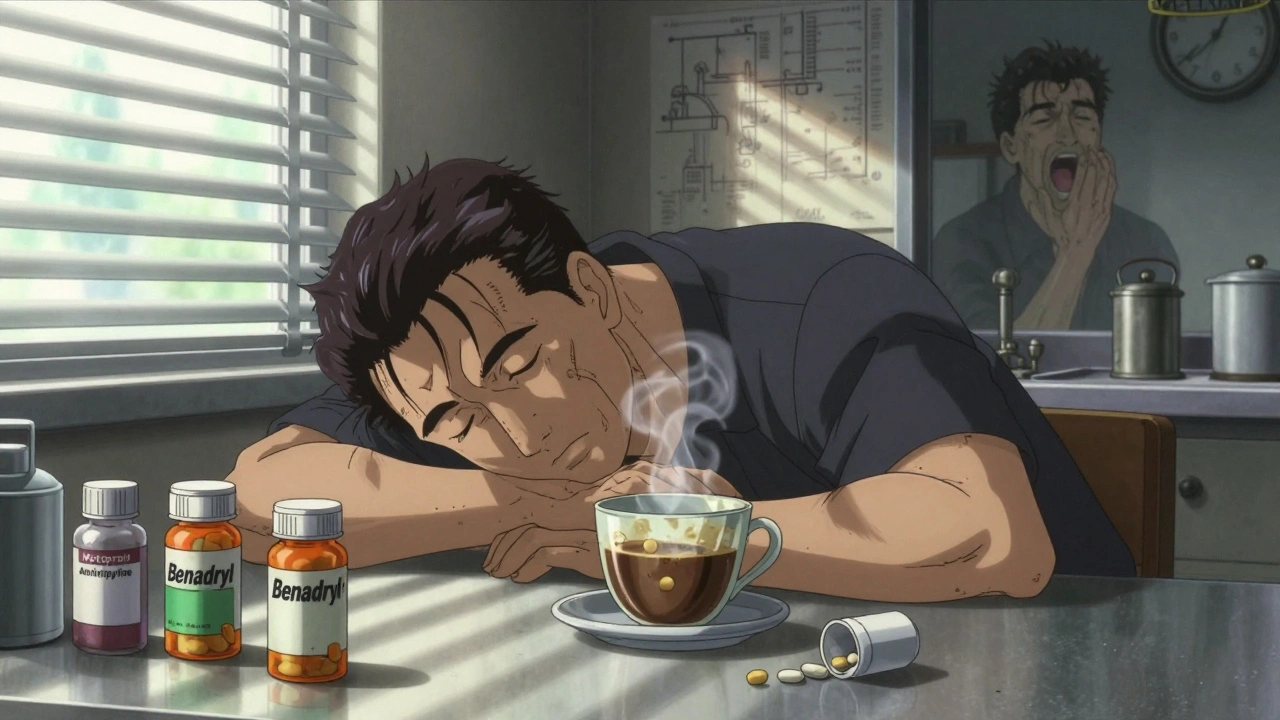
Feeling constantly tired after taking your meds? You’re not alone. About 15-20% of adults on prescription or over-the-counter drugs report excessive daytime sleepiness - not from poor sleep, but from the pills themselves. This isn’t just ‘being lazy.’ It’s a real, documented side effect called drug-induced somnolence, and it can mess with your driving, increase your risk of falls, and make daily life feel like a slog.
What Medications Cause Drowsiness?
It’s not just one type of drug. Many common medicines slow down your central nervous system (CNS), and that’s what makes you feel wiped out. Here’s who’s most likely to cause it:- Antihistamines - Think Benadryl, Dimetapp, or even some sleep aids. Up to 70% of people who take first-gen ones like diphenhydramine or hydroxyzine feel drowsy. Even if you’re using them for allergies, the sleepiness sticks around.
- Tricyclic antidepressants - Drugs like amitriptyline and doxepin are known for making people exhausted. Around 30-40% of users say fatigue is their biggest issue, not the depression itself.
- Benzodiazepines - Xanax, Valium, Klonopin - these calm anxiety but also calm your brain too much. Drowsiness can last hours, sometimes days, depending on how long the drug stays in your system.
- Beta-blockers - Used for high blood pressure and heart conditions, drugs like metoprolol and propranolol can cause a midday crash in 10-15% of people.
- Opioids - Oxycodone, hydrocodone - these painkillers are powerful CNS depressants. When mixed with benzodiazepines, they can shut down breathing. The CDC recorded over 16,700 deaths in 2021 from this dangerous combo.
- Muscle relaxants, anticonvulsants, and Parkinson’s meds - Cyclobenzaprine, gabapentin, and carbidopa-levodopa all carry drowsiness as a top side effect.
Even some antibiotics and antivirals can leave you dragging. The problem? Most people don’t connect the dots. A 2023 study found that 78% of patients waited over four months before realizing their fatigue was drug-related.
Why Does This Happen?
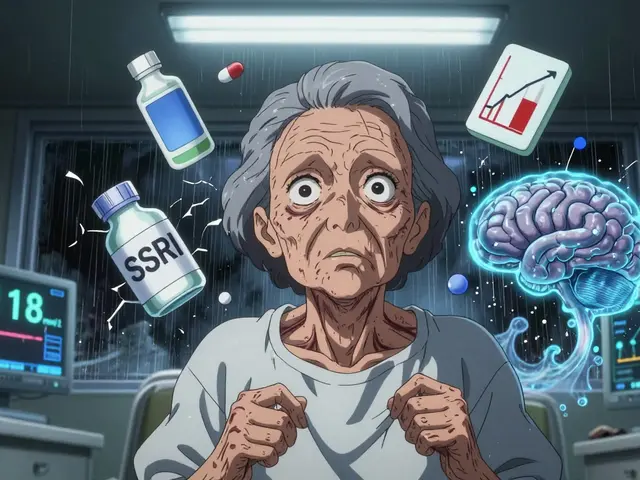
Your brain has natural wakefulness systems - chemicals like histamine, norepinephrine, and orexin that keep you alert. Many of these medications block those signals. Antihistamines, for example, cross the blood-brain barrier and shut down histamine receptors, which are key to staying awake. Benzodiazepines boost GABA, the brain’s main calming chemical, which slows everything down. Opioids hit receptors that reduce alertness and trigger sleep signals.It’s not always obvious. Sometimes the drowsiness sneaks up. You start a new pill, feel a little tired, and assume it’s just stress or aging. But if you’re sleeping 8 hours and still falling asleep at your desk, it’s probably the meds.
Who’s Most at Risk?
Older adults are especially vulnerable. The American Geriatrics Society’s 2023 Beers Criteria lists over a third of commonly prescribed drugs for seniors as drowsiness risks. That’s why falls are so common - drowsiness slows reaction time, affects balance, and makes you less aware of your surroundings.People taking multiple meds are also at higher risk. If you’re on a beta-blocker, an antidepressant, and an antihistamine for allergies, the effects add up. This is called polypharmacy, and it’s a silent danger. The FDA received over 127,000 reports of drowsiness-related side effects in 2022 - a 22% jump from 2018.

What You Can Do: Practical Management Tips
You don’t have to live with constant fatigue. Here’s what actually works:- Take meds at night - This is the #1 fix. If your doctor says it’s safe, shift your dose to bedtime. Harvard Health data shows 65% of patients saw a 50-70% drop in daytime sleepiness just by doing this. Try it before you try anything else.
- Don’t mix with alcohol - Alcohol is a CNS depressant too. Combine it with any of the drugs above, and your drowsiness turns dangerous. You could pass out, choke, or stop breathing.
- Stay hydrated - Dehydration makes drowsiness worse. If you’re on diuretics or just not drinking enough water, your body can’t process meds efficiently. Aim for 6-8 glasses a day.
- Move more during the day - Even 20-30 minutes of walking can help reset your energy. Light exercise boosts circulation and alertness without overdoing it. Don’t wait for motivation - just get up and go.
- Watch your caffeine - Coffee might seem like a quick fix, but it backfires. If you drink it after noon, it messes with your nighttime sleep, which makes daytime tiredness worse. Try switching to herbal tea after lunch.
When to Talk to Your Doctor
Never stop a medication cold turkey - especially antidepressants, benzodiazepines, or blood pressure drugs. Abruptly quitting can trigger withdrawal, seizures, or even serotonin syndrome.Instead, schedule a med review. Ask:
- “Is there a non-drowsy version of this drug?”
- “Can we lower the dose?”
- “Are there alternatives that don’t cause fatigue?”
For example, switching from propranolol to nebivolol for blood pressure helped one Reddit user eliminate afternoon crashes. First-gen antihistamines like diphenhydramine can often be swapped for second-gen ones like loratadine (Claritin) or cetirizine (Zyrtec) - they’re just as good for allergies but don’t make you sleepy. In fact, 78% of allergy meds sold in 2023 were non-sedating.
If you’re on long-term antidepressants and fatigue won’t go away after 4 weeks, talk to your doctor about switching to something like desvenlafaxine - one patient on Reddit went from sleeping 14 hours a day to normal energy levels after the change.

New Options on the Horizon
There’s hope beyond just swapping pills. In 2023, the FDA approved solriamfetol (Sunosi), originally for narcolepsy, and doctors are now using it off-label for medication-induced drowsiness. It doesn’t sedate - it wakes you up.Even more promising? Genetic testing. Companies like GeneSight offer blood tests that predict how your body will react to certain drugs. Early data shows a 35% drop in side effects when doctors use this info to choose meds. It’s not mainstream yet, but it’s coming.
What Not to Do
Avoid these common mistakes:- Don’t assume it’s ‘just aging.’ Fatigue isn’t normal at any age.
- Don’t power through with more coffee or energy drinks. They create a cycle of crashes.
- Don’t hide it. If you’re nodding off while driving or working, that’s a safety issue - tell someone.
- Don’t blame yourself. This isn’t laziness - it’s pharmacology.
Final Thoughts
Medication-induced drowsiness is widespread, underreported, and often ignored. But it doesn’t have to be your new normal. Simple changes - timing your pills, ditching alcohol, walking daily - can make a huge difference. And if they don’t? Talk to your doctor. There’s almost always a better option.The goal isn’t to stop taking your meds - it’s to take them in a way that lets you live fully. You deserve to feel awake, alert, and in control of your own body.
Can medication drowsiness go away on its own?
Yes, for some people. About 60-70% of patients find their drowsiness improves after 2-4 weeks as their body adjusts to the medication. But this isn’t true for everyone. Drugs like tricyclic antidepressants often cause lasting fatigue, and others, like benzodiazepines, may not improve at all without a dose change or switch. If you’re still tired after a month, don’t wait - talk to your doctor.
Is it safe to take melatonin with drowsiness-causing meds?
Not usually. Melatonin is a sleep hormone, and combining it with CNS depressants like benzodiazepines, opioids, or antihistamines can deepen sedation too much. It might help you fall asleep faster, but it can also make you groggy longer, increase fall risk, or even suppress breathing. Always check with your pharmacist before mixing.
Why do some people get drowsy from a drug while others don’t?
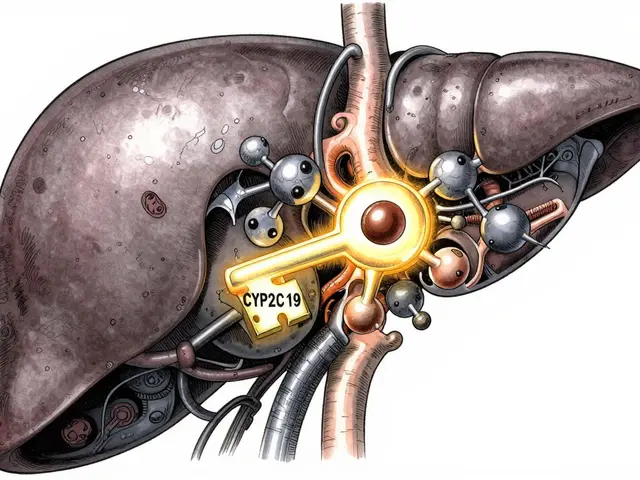
It comes down to genetics, age, liver function, and other meds you’re taking. Some people metabolize drugs slowly, so they build up in the system. Others have genetic variants that make their brain more sensitive to certain chemicals. That’s why two people on the same dose can have totally different reactions. New genetic tests can help predict this - but even without them, your doctor can adjust based on your response.
Can I drive if I’m on a drowsiness-causing medication?
If your medication causes drowsiness, driving is risky - even if you feel fine. Studies show reaction times drop as much as with a 0.05% blood alcohol level. Many states legally consider driving while impaired by medication a form of DUI. Never drive after starting a new drug until you know how it affects you. If you must drive, ask your doctor for a non-sedating alternative.
What’s the difference between feeling tired and medication-induced drowsiness?
Normal tiredness fades with rest. Medication-induced drowsiness hits suddenly, feels heavy or druggy, and doesn’t improve with sleep. You might feel like you’re in a fog, struggle to focus, or fall asleep in quiet situations - like reading or watching TV. If you’re sleeping 7-8 hours and still exhausted, it’s likely the meds, not your sleep quality.
Are there any natural remedies that help with drug-induced drowsiness?
There’s no proven natural cure, but lifestyle changes help. Stick to a consistent sleep schedule, get morning sunlight to reset your circadian rhythm, avoid heavy meals at lunch, and move every hour. Some people report mild improvement with B vitamins or rhodiola rosea, but there’s no strong evidence. The safest and most effective fix is still adjusting your meds under medical supervision.


Chris Marel
December 10, 2025 AT 04:14I’ve been on amitriptyline for years and never realized the fatigue was from the med until I started taking it at night. Now I’m actually awake during the day. It’s wild how such a small shift changes everything.
Thanks for laying this out so clearly. I wish more doctors talked about this.
Carina M
December 11, 2025 AT 03:52It is profoundly disconcerting to observe the degree to which pharmaceutical negligence has become normalized within contemporary healthcare paradigms. One cannot help but lament the abdication of clinical responsibility in favor of pharmacological band-aid solutions, particularly when non-pharmacological interventions remain grossly underutilized.
Moreover, the casual recommendation of melatonin as a potential adjunct is, in my estimation, clinically indefensible and indicative of a broader cultural descent into self-medicated apathy.
Anna Roh
December 12, 2025 AT 01:54so like... i just take my meds at night and boom no more crashing. why is this even a thing.
om guru
December 13, 2025 AT 10:00Medication timing is the most powerful tool we ignore
Shift to night if possible
Hydrate daily
Move even if just 10 minutes
Doctor not listening? Get second opinion
Your energy matters more than you think
Richard Eite
December 14, 2025 AT 21:23USA has the best meds in the world and people still whine about side effects
Try living in a country where you get nothing and then complain
Also melatonin? Are you kidding me? That’s a supplement not a fix
Just take your pills and stop being weak
Katherine Chan
December 15, 2025 AT 17:50YES YES YES this is so real
I was so tired all day I thought I was depressed or broken
Then I switched from diphenhydramine to loratadine and it was like someone turned the lights on
You’re not lazy you’re just on the wrong pill
And moving even a little helps more than you’d think
Keep going you got this
Philippa Barraclough
December 15, 2025 AT 21:47It is interesting to note the disparity between the prevalence of medication-induced somnolence and the relative paucity of public discourse surrounding it. While the article provides a comprehensive enumeration of pharmacological agents implicated in this phenomenon, one must also consider the sociocultural context in which these medications are prescribed. The normalization of fatigue as an inevitable consequence of aging or modern life may serve to obscure the pharmacological etiology, thereby delaying intervention. Furthermore, the assertion that 78% of patients wait over four months before attributing their symptoms to medication suggests a systemic failure in patient education and provider communication. The absence of standardized screening protocols for drug-induced drowsiness in primary care settings remains a significant oversight, particularly given the documented risks to occupational safety and fall incidence. While the proposed management strategies are sound, they remain contingent upon patient awareness and access to care, both of which are unevenly distributed. The emergence of pharmacogenomic testing, while promising, is still inaccessible to the majority of the population due to cost and insurance barriers. Without structural reform, individual behavioral modifications will remain insufficient.
Tim Tinh
December 16, 2025 AT 04:31bro i was on benadryl for allergies and i was falling asleep in meetings
switched to zyrtec and now i’m actually human again
also dont mix with alcohol i learned that the hard way lol
just sayin - your doctor might not know this stuff unless you bring it up
and yeah walking helps even if you hate it
Tiffany Sowby
December 17, 2025 AT 09:46Of course it’s the meds. Everyone else is just too lazy to admit they’re on drugs that make them useless.
And don’t even get me started on melatonin - that’s just another scam to make you feel like you’re doing something when you’re really just sleeping more.
My cousin took 7 different pills and still complained. What did she expect? She was basically sedating herself on purpose.
Stop making excuses. Just take your meds and stop whining.