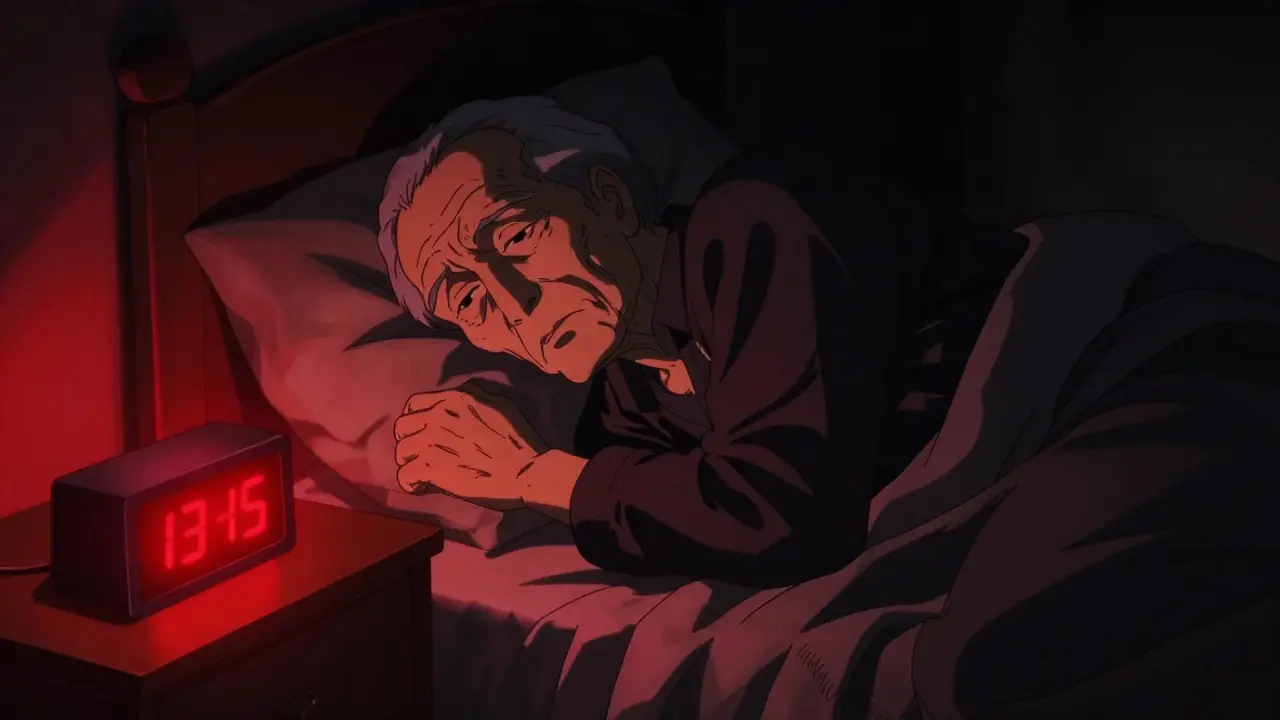
It’s 3 AM. The clock is glowing red. You’ve been tossing and turning for two hours, worrying that if you don’t get to sleep now, you’ll be exhausted tomorrow. It’s a familiar panic for millions of older adults. About half of people over 65 struggle with chronic insomnia. When sleep won’t come, the temptation to reach for a pill is strong. But here is the hard truth: many common sleep medications carry serious risks for seniors, including falls, confusion, and even long-term cognitive decline.
This isn’t about fear-mongering. It’s about safety. Your body processes drugs differently at 70 than it did at 40. A pill that helped your friend might cause a dangerous fall for you. The good news? There are effective, safer ways to reclaim your nights without putting your health on the line. Let’s look at what the science says and how you can actually fix your sleep.
The Hidden Dangers of Common Sleep Pills
You might have heard of Benzodiazepines, a class of sedatives that includes diazepam (Valium) and triazolam (Halcion). These drugs work by slowing down brain activity. While they knock you out quickly, they stay in your system longer as you age. This leads to a "hangover" effect the next day-drowsiness, dizziness, and unsteadiness.
The American Geriatrics Society, through its Beers Criteria a list of potentially inappropriate medications for older adults, explicitly advises against using these as a first choice for seniors. Why? Because the risk of falling is real. A study published in the *Journal of the American Geriatrics Society* found that long-acting benzodiazepines increase the risk of falls by 50%. For a senior, a fall isn’t just a bruise; it can mean a broken hip or loss of independence.
Then there are the "Z-drugs," like zolpidem (Ambien) and eszopiclone (Lunesta). Marketed as safer alternatives because they target specific receptors, they still carry significant risks. The FDA issued warnings in 2020 about next-day impairment. Even at lower doses, these drugs can cause complex sleep behaviors-like sleepwalking or sleep-driving-and increase the risk of dementia. A 2014 study in the *BMJ* linked long-term benzodiazepine use to a 51% increased risk of Alzheimer’s disease. That is a statistic no one should ignore.
Why Your Body Reacts Differently Now
It’s not just about side effects; it’s about pharmacokinetics-the way your body absorbs, distributes, metabolizes, and excretes drugs. As we age, our liver and kidney function decline. This means drugs linger in your bloodstream much longer than intended.
Take triazolam, for example. In younger adults, its effects wear off in a few hours. In seniors, reduced metabolism can prolong those effects, leading to daytime confusion and memory issues. This is why the standard dose for a 30-year-old can be toxic for an 80-year-old. Most pharmaceutical inserts simply say "use with caution in elderly," which is vague and often ignored. Specificity matters. Low-dose doxepin (Silenor), for instance, has been shown to improve sleep efficiency with minimal anticholinergic effects, making it a safer pharmacological option when medication is absolutely necessary.
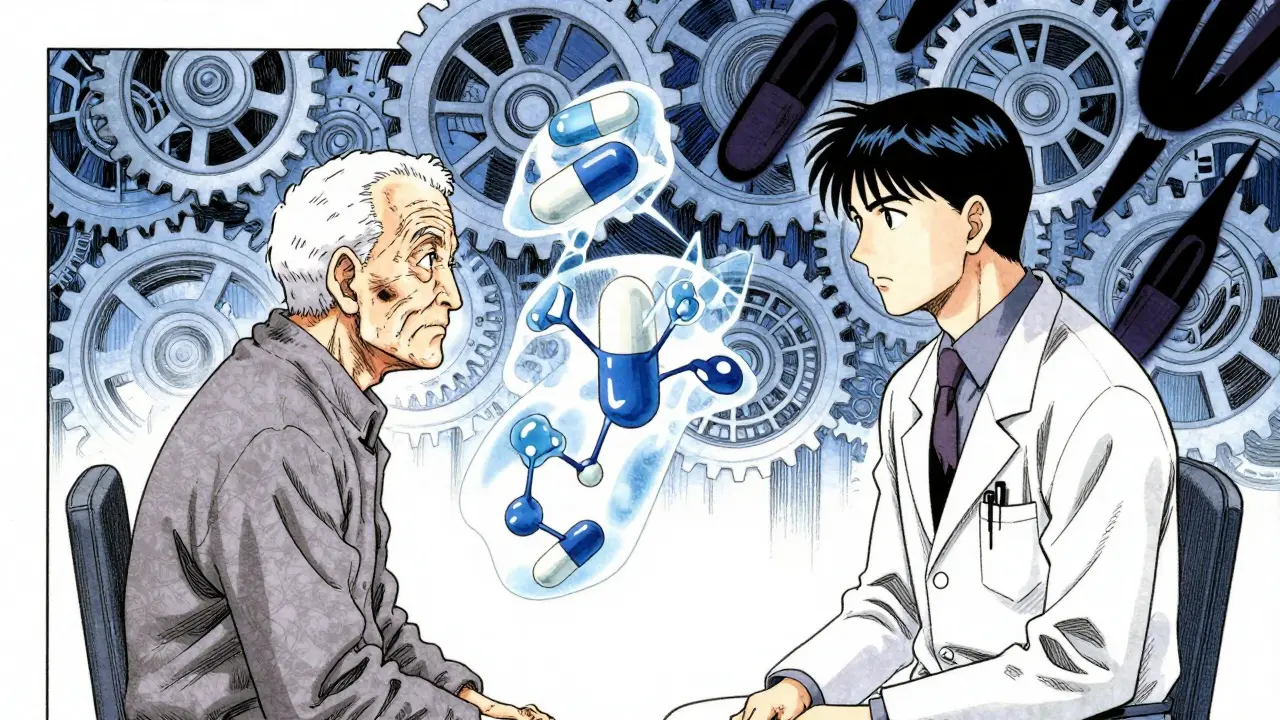
The Gold Standard: Cognitive Behavioral Therapy for Insomnia (CBT-I)
If pills are risky, what works? The answer isn’t another drug. It’s Cognitive Behavioral Therapy for Insomnia (CBT-I), a structured program that helps you identify and replace thoughts and behaviors that cause or worsen sleep problems. The American Academy of Sleep Medicine recommends CBT-I as the first-line treatment for chronic insomnia in adults, especially seniors.
CBT-I isn’t just "sleep hygiene" advice like "drink less coffee." It’s a proven clinical intervention. It involves techniques like:
- Sleep Restriction: Limiting time in bed to match actual sleep time, which builds sleep drive.
- Stimulus Control: Training your brain to associate the bed only with sleep, not with watching TV or worrying.
- Cognitive Restructuring: Challenging the anxiety around not sleeping, which often keeps us awake.
A 2019 study in *JAMA Internal Medicine* showed that telehealth-delivered CBT-I achieved 57% remission rates for insomnia in adults over 60. Digital platforms like Sleepio have made this accessible from home, achieving similar results to in-person therapy. This approach fixes the root cause rather than masking symptoms with chemicals.
Safer Medication Options When Pills Are Necessary
Sometimes, lifestyle changes aren’t enough, or acute stress makes sleep impossible. If you must use medication, choose wisely. Not all sleep aids are created equal.
| Medication Class | Examples | Safety Profile for Seniors | Key Risks |
|---|---|---|---|
| Benzodiazepines | Triazolam, Diazepam | Poor | High fall risk, cognitive impairment, dependency |
| Z-Drugs | Zolpidem (Ambien), Eszopiclone | Moderate | Falls, complex sleep behaviors, next-day drowsiness |
| Orexin Antagonists | Lemborexant (Dayvigo) | Better | Less postural instability than Z-drugs, but costly |
| Melatonin Agonists | Ramelteon (Rozerem) | Good | Minimal side effects, no rebound insomnia |
| Low-Dose Antidepressants | Doxepin (Silenor) 3-6mg | Good | Minimal anticholinergic effects, improves sleep continuity |
Ramelteon mimics melatonin, your body’s natural sleep hormone. It doesn’t affect GABA receptors like benzos, so it doesn’t cause the same level of sedation or dependence. It reduces the time it takes to fall asleep by about 14 minutes with very few next-day effects. Low-dose doxepin (3-6mg) is another strong contender. Unlike higher doses used for depression, this tiny dose targets histamine receptors to promote sleep without the heavy side effects. Studies show it increases total sleep time by nearly 30 minutes compared to placebo.
Newer options like orexin receptor antagonists (e.g., lemborexant) block the brain’s "wakefulness" signal rather than forcing sleep. A 2021 study in *JAMA Internal Medicine* found that lemborexant caused less postural instability (a key factor in falls) than zolpidem in adults over 55. However, cost is a barrier. Generic zolpidem costs around $15 a month, while newer agents can exceed $400. Always discuss insurance coverage and generic alternatives with your doctor.

How to Talk to Your Doctor About Sleep Meds
Many seniors take sleep medications prescribed years ago without realizing they are on the Beers Criteria list. It’s time for a medication review. Here is how to approach your next appointment:
- List everything: Bring a list of all prescriptions, over-the-counter aids, and supplements.
- Ask about the Beers Criteria: Say, "Is this medication on the AGS Beers Criteria list for older adults?"
- Discuss deprescribing: If you’ve been on a benzo or Z-drug for months, ask, "Can we create a plan to slowly taper off this?" Abrupt cessation can cause severe rebound insomnia and withdrawal symptoms. The STOPP/START criteria recommend tapering over 4-8 weeks.
- Request CBT-I referral: Ask, "Do you know any providers who offer CBT-I, either in person or digitally?"
Don’t be afraid to advocate for yourself. Doctors are busy and may rely on old habits. A proactive conversation can save you from future health crises.
Practical Steps for Better Sleep Tonight
While you work on long-term solutions, you can improve your sleep environment immediately. These steps support the efficacy of any treatment, whether behavioral or medical.
- Light exposure: Get bright natural light within an hour of waking. This resets your circadian rhythm. Avoid blue light from screens two hours before bed.
- Temperature control: Keep your bedroom cool (around 65°F or 18°C). Body temperature needs to drop to initiate sleep.
- Limit naps: If you nap, keep it under 20 minutes and before 3 PM. Long naps steal sleep pressure from the night.
- Consistency is key: Go to bed and wake up at the same time every day, even on weekends. This trains your internal clock.
Remember, sleep is a skill, not just a biological function. With the right tools and safe strategies, you can break the cycle of insomnia without risking your health.
What is the safest sleep medication for seniors?
According to the American Geriatrics Society Beers Criteria, benzodiazepines and most Z-drugs are unsafe. Safer pharmacological options include low-dose doxepin (3-6mg) and ramelteon (melatonin agonist), which have fewer side effects and lower fall risks. However, Cognitive Behavioral Therapy for Insomnia (CBT-I) is considered the safest and most effective first-line treatment overall.
Can sleep medications cause dementia in older adults?
Research suggests a link between long-term use of benzodiazepines and an increased risk of Alzheimer's disease. A 2014 BMJ study found a 51% increased risk, particularly with long-acting agents used for more than six months. While correlation does not always equal causation, the potential risk is significant enough that experts advise avoiding these drugs for chronic insomnia in seniors.
How do I stop taking Ambien or other sleep aids safely?
Never stop abruptly. Withdrawal can cause severe rebound insomnia, anxiety, and seizures. Work with your doctor to create a tapering schedule, typically reducing the dose gradually over 4 to 8 weeks. Simultaneously starting CBT-I can help manage the underlying insomnia during the transition.
Is melatonin safe for seniors?
Over-the-counter melatonin is generally safe for short-term use, but quality varies since it is not strictly regulated by the FDA. Prescription melatonin agonists like ramelteon offer consistent dosing and have been clinically tested for safety in older adults, showing minimal side effects and no risk of dependence.
What is CBT-I and how does it help?
Cognitive Behavioral Therapy for Insomnia (CBT-I) is a structured psychological treatment that addresses the thoughts and behaviors keeping you awake. It uses techniques like sleep restriction and stimulus control to reset your sleep drive. Studies show it is more effective than medication in the long term and has no physical side effects.





Cici arya Arya
June 13, 2026 AT 03:39So you're saying I should just sit in the dark and think about my problems instead of taking a pill? That sounds exhausting. My husband takes his Ambien every night and he's fine, honestly it seems like you're just trying to scare old people into paying for therapy they don't need. It's rude to imply that we are all just walking hazards because we want to sleep.
shreya sinha
June 13, 2026 AT 15:27It is truly disheartening to observe the sheer laziness displayed by individuals who prefer the quick fix of pharmaceutical sedation over the arduous but morally superior path of behavioral modification. One must question the integrity of those who would choose chemical stupor when the tools for self-discipline are readily available through cognitive restructuring. The author correctly identifies the ethical imperative to avoid substances that degrade one's mental faculties, yet the public remains stubbornly attached to their vices, ignoring the profound responsibility each senior citizen has to maintain their own safety and cognitive clarity for the sake of society at large.
Hailey Dunston
June 15, 2026 AT 06:08Oh, how quaint. Another article telling us what to do with our bodies as if we haven't already suffered enough indignities in our lives. You speak of 'safety' and 'standards' with such pretentious authority, yet you fail to acknowledge that for many of us, the luxury of 'sleep hygiene' is nonexistent due to chronic pain or medical conditions that no amount of stimulus control can resolve. Your elitist dismissal of medication ignores the complex reality of aging, where sometimes a little bit of oblivion is the only mercy left. ;)
Glenn Davis
June 15, 2026 AT 07:43Real Americans don't rely on weak meds. We push through. This softness is why we lose our edge. Stay sharp. Wake up early. Work hard. No excuses.
rebecca torres
June 17, 2026 AT 05:51look i know cbt-i is the gold standard according to the journals but lets be real most insurance companies wont cover it so people are stuck with benzos anyway its not just about willpower its about access and cost and yeah maybe im wrong but i doubt it
Erin Livengood
June 18, 2026 AT 13:54The tapestry of our nights is woven from threads of anxiety and habit, isn't it? I find that reframing sleep not as a task to be conquered, but as a gentle guest to be welcomed, changes everything. It’s a philosophical shift, really. When we stop fighting the darkness, the light returns naturally. I’ve started viewing my insomnia not as an enemy, but as a misunderstood friend trying to tell me something. It’s messy, yes, but there’s beauty in the struggle. Have you ever tried meditating on the concept of surrender? It’s liberating.
Cecilia McGuinness
June 19, 2026 AT 15:07u guys are too negative! try drinking warm milk and reading a book! its easy peasy lemon squeezy!
Talilla Bailey
June 19, 2026 AT 23:34While I appreciate the spirited discourse, it is imperative that we adhere to the established medical guidelines outlined in this comprehensive review. The data regarding benzodiazepines is unequivocal, and disregarding these facts constitutes a breach of personal responsibility. Let us proceed with caution and respect for the scientific method. Your input is noted, but please ensure future contributions are substantiated by peer-reviewed literature rather than anecdotal evidence or emotional appeals.
Aditya Singh
June 21, 2026 AT 04:12In the realm of holistic wellness paradigms, we often overlook the synergistic effects of circadian rhythm alignment with traditional Ayurvedic principles. The pharmacokinetic degradation mentioned here is akin to the concept of Ama accumulation in the body. By integrating low-dose interventions with mindfulness practices, we create a robust framework for restorative slumber. It is crucial to view the body as an integrated ecosystem where sleep is merely one node in the network of vitality. Embrace the bio-hacking potential of natural melatonin precursors.
Brett Webster
June 22, 2026 AT 00:17I've been working with seniors on sleep optimization for years, and the resistance to CBT-I is always the biggest hurdle. People want the magic bullet. But once they start seeing results from sleep restriction, it's a game changer. Just remember to taper off meds slowly under supervision. Don't go cold turkey. It's dangerous. Stick to the plan and give your brain time to relearn how to sleep.