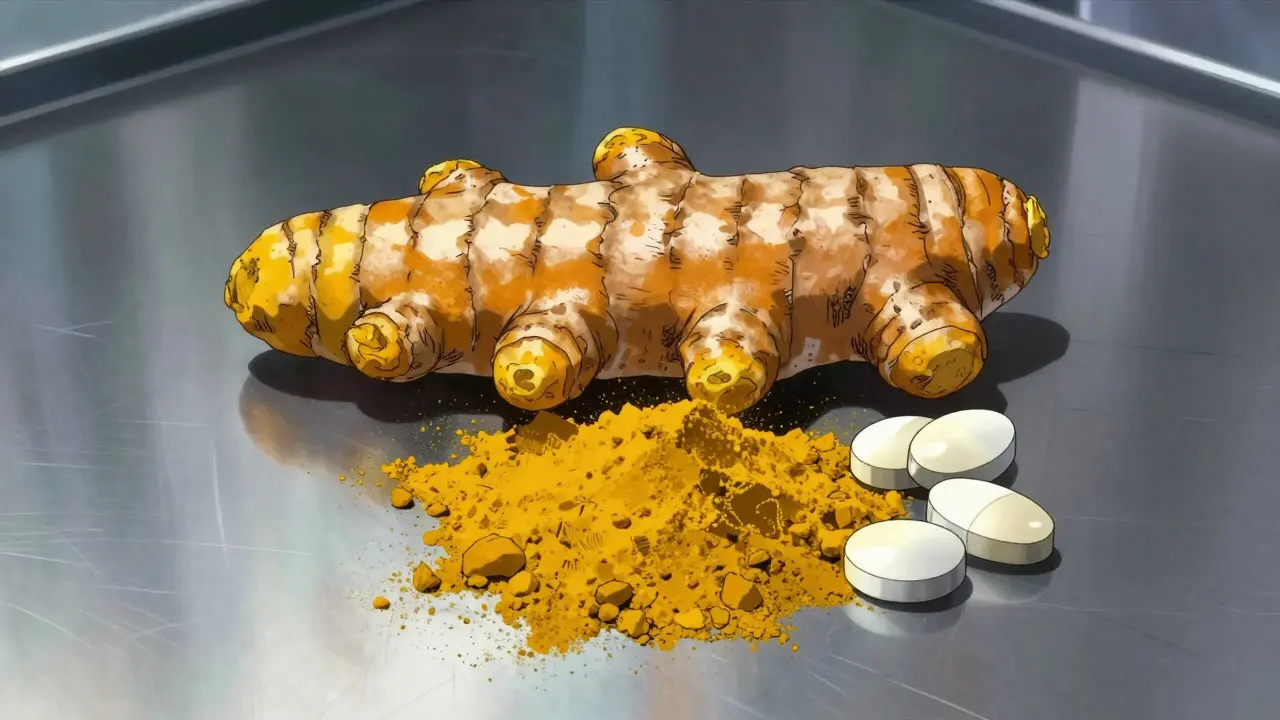
You might think that adding a pinch of a "natural" spice to your diet is harmless, but when it comes to Turmeric is a bright yellow root from the Curcuma longa plant used in cooking and traditional medicine , the reality is more complex. If you are taking prescription medication to prevent clots, a simple supplement could potentially send your blood's clotting ability into a danger zone. We aren't just talking about a mild side effect; we are talking about a risk of internal bleeding that can be life-threatening.
The Science Behind the Interaction
The primary culprit in turmeric is Curcumin is the active compound in turmeric responsible for its yellow color and pharmacological properties . While it is praised for fighting inflammation, it also acts as a potent anticoagulant. A 2012 study indexed in PubMed (PMID: 22531131) found that curcumin inhibits thrombin and factor Xa-two critical components your body needs to form a clot when you are bleeding.
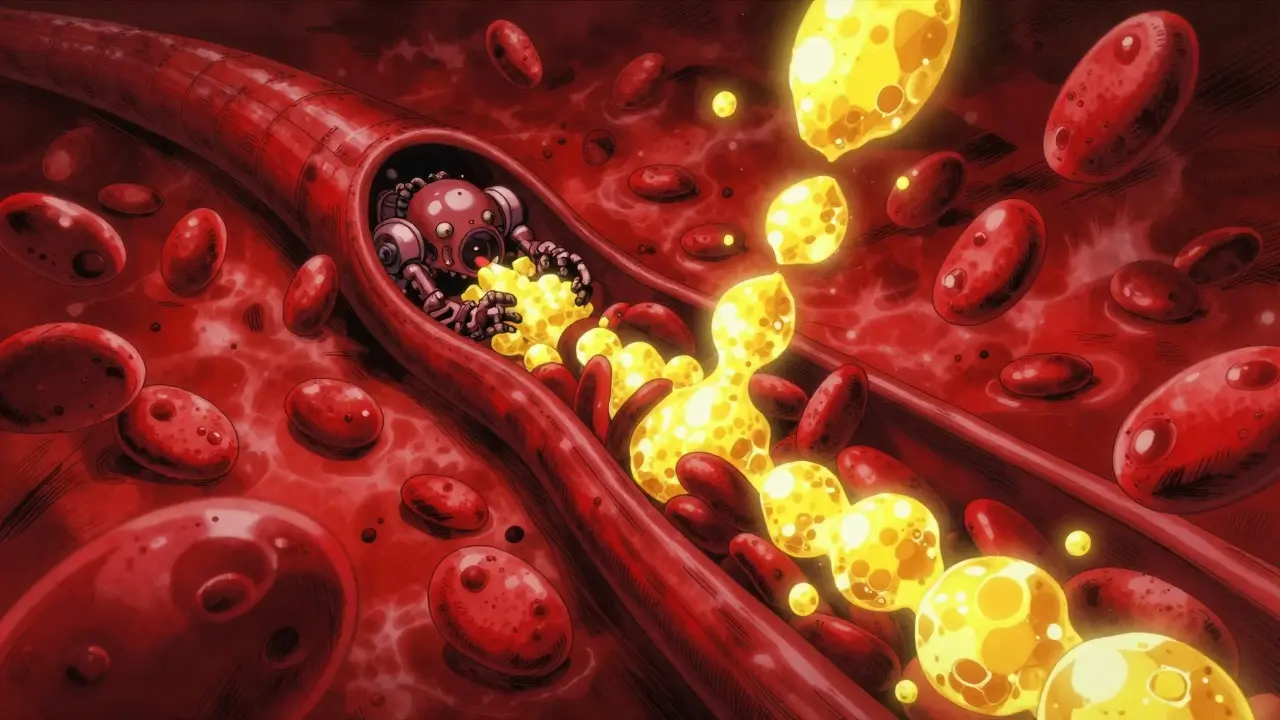
Curcumin doesn't just work in one way. It creates a "dual-threat" effect by acting as both an anticoagulant (stopping the clotting process) and an antiplatelet agent (stopping platelets from sticking together). This means if you are already taking a drug to thin your blood, adding high doses of curcumin is like adding fuel to a fire, making your blood far too thin to clot effectively during an injury or a medical emergency.
Real-World Evidence and Dangerous Case Reports
This isn't just theoretical. Medical authorities have documented cases where turmeric supplements caused severe health crises. Medsafe New Zealand issued a stark warning after a patient on stable Warfarin is a vitamin K antagonist used to prevent blood clots and treat heart-related conditions therapy started taking turmeric. Their International Normalized Ratio (INR)-a measure of how long it takes blood to clot-skyrocketed to over 10. For context, a typical therapeutic range for warfarin is between 2 and 3.5. An INR of 10 represents a massive risk for spontaneous, uncontrolled bleeding.
The risks extend beyond just clotting. The Welsh Medicines Information Centre (WMIC) reported a case where a person taking 15 or more spoonfuls of turmeric powder daily for ten days developed acute nephrotoxicity (kidney injury). This happened because turmeric can interfere with the CYP3A4 enzyme is a critical liver enzyme responsible for metabolizing a wide range of medications , leading to toxic levels of other medications, such as tacrolimus, building up in the bloodstream.
Which Medications are at Risk?
If you are taking any medication that affects how your blood clots, you need to be cautious. The interaction isn't limited to one specific drug. Many common pharmaceuticals are affected by the anticoagulant properties of curcumin.
| Drug Class | Examples | Interaction Risk |
|---|---|---|
| Vitamin K Antagonists | Warfarin (Coumadin) | Very High: Can significantly raise INR and cause bleeding. |
| Direct Oral Anticoagulants (DOACs) | Rivaroxaban, Apixaban | High: Enhanced anticoagulant effect. |
| Antiplatelet Agents | Aspirin, Clopidogrel (Plavix) | Moderate to High: Increased risk of bruising and bleeding. |
| Low Molecular Weight Heparins | Enoxaparin (Lovenox), Dalteparin | Moderate to High: Prolonged bleeding times. |
| NSAIDs | Ibuprofen, Naproxen, Diclofenac | Moderate: Increased gastric bleeding risk. |
The Supplement Trap: Food vs. Capsules
One of the biggest misconceptions is that "natural is always safe." There is a massive difference between using turmeric as a culinary spice and taking a concentrated supplement. Raw turmeric only contains about 2% to 8% curcumin. However, many health store extracts are standardized to contain up to 95% curcumin. This concentration is where the real danger lies.
Prescription blood thinners are precisely dosed and monitored by doctors. Supplements are not. Because the amount of curcumin varies wildly between brands, it is almost impossible to predict how a supplement will affect your blood's clotting time. You cannot simply "dose" your way around this risk without frequent medical blood tests.

Practical Precautions for Patients
If you are on blood thinners, the safest path is to avoid high-dose curcumin supplements entirely. Here are a few rules of thumb to keep you safe:
- Prioritize Food: Using turmeric in small amounts for cooking (like in a curry) is generally considered safe by the WMIC and is unlikely to pose a significant risk.
- The Two-Week Rule: The Mayo Clinic advises stopping all turmeric supplements at least two weeks before any scheduled surgery to prevent excessive bleeding during the procedure.
- Monitor Your Symptoms: Look for signs of "over-thinning," such as unusual bruising, gums that bleed easily during brushing, or nosebleeds that won't stop.
- Consult Your Doctor: Never start a new supplement-even a "natural" one-without checking with your healthcare provider, especially if you have a narrow therapeutic index drug like warfarin.
Broader Medication Interactions
While blood thinners are the most dangerous pairing, curcumin's effect on the liver and kidneys means it can mess with other drugs too. It can enhance the effects of antidiabetic medications, potentially leading to hypoglycemia (dangerously low blood sugar). It also interferes with medications like sulfasalazine, which can see plasma concentrations increase by over three times when taken with curcumin.
The medical consensus is shifting toward a more cautious approach. While we used to think monitoring was enough, agencies like Medsafe now suggest that concurrent use of these products should simply be avoided. The risk of an intracranial hemorrhage (bleeding in the brain), which has a mortality rate of up to 50%, is simply too high to gamble with for the sake of a supplement.
Is it safe to use turmeric powder in cooking if I take blood thinners?
Yes, generally. Most health authorities, including the WMIC, state that using turmeric in small quantities as a culinary spice is unlikely to cause dangerous interactions. The risk is primarily associated with high-dose concentrated supplements.
Why does curcumin increase the risk of bleeding?
Curcumin inhibits thrombin and factor Xa, which are essential enzymes for blood clotting. It also decreases platelet aggregation, meaning your blood cannot clump together to stop a leak, leading to prolonged bleeding times.
What is the INR and why does turmeric affect it?
The International Normalized Ratio (INR) measures how long it takes your blood to clot. Turmeric can decrease the clearance of drugs like warfarin from your body or add its own thinning effect, which pushes the INR higher, increasing the risk of internal bleeding.
Can turmeric interact with Aspirin?
Yes. Aspirin is an antiplatelet agent. Because curcumin also inhibits platelet aggregation, taking both can create an additive effect that makes you much more prone to bruising and bleeding.
How long before surgery should I stop taking turmeric?
The Mayo Clinic recommends stopping turmeric supplements at least two weeks before any surgical procedure to minimize the risk of excessive bleeding during and after the operation.
Are there other medications besides blood thinners that interact with turmeric?
Yes, turmeric can interact with antidiabetic drugs, certain antidepressants, and immunosuppressants like tacrolimus by affecting liver enzymes such as CYP3A4.