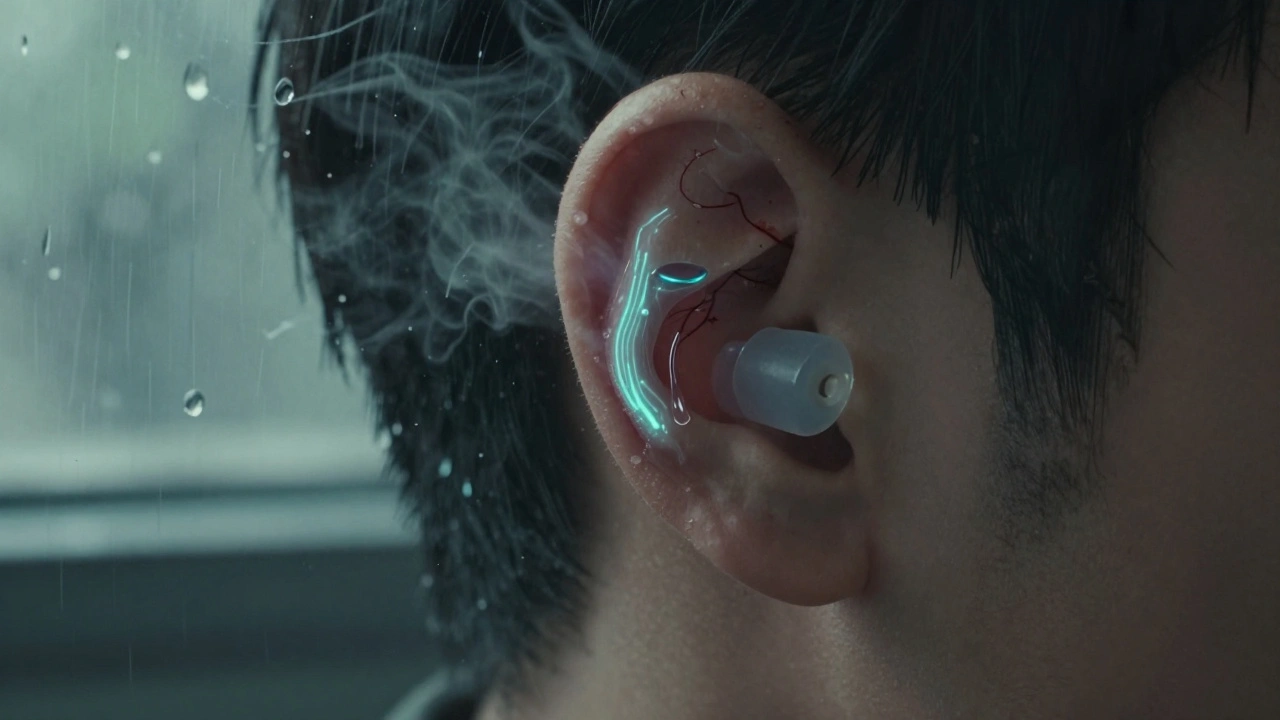
A perforated eardrum isn’t something you plan for. One moment you’re flying, swimming, or cleaning your ear with a cotton swab, and the next, there’s a sharp pain, a pop, and maybe even some drainage. It’s scary, but the good news? Most perforated eardrums heal on their own-if you give them the right conditions. The key isn’t just waiting it out. It’s knowing how long healing takes and what to avoid so you don’t turn a small tear into a long-term problem.
How Long Does It Take to Heal?
There’s no one-size-fits-all timeline. A tiny hole from a minor ear infection might close in three weeks. A larger tear from a loud explosion or blunt trauma could take three months or more. But here’s what most people experience, based on data from Stanford Health Care, Harvard Health, and the Mayo Clinic.Small perforations (under 2-3 mm) usually start healing within a few days. The pain fades by day 2 or 3. By week two, you’ll notice less pressure and some improvement in hearing. Between weeks four and six, the new tissue strengthens, and hearing gets noticeably better. Most small tears are fully closed by six to eight weeks.
Larger holes-those over 5 mm-take longer. Healing can stretch from two to six months. If the tear is near the edge of the eardrum or if there’s an ongoing infection, healing slows down. That’s why keeping the ear dry and avoiding pressure changes is so critical. Even a single shower without protection can delay recovery by weeks.
Don’t assume everything’s fine just because the pain is gone. The eardrum can look sealed on the surface but still be thin and weak underneath. That’s why follow-up checks with an ENT specialist are important, especially if you’re past six weeks and still have muffled hearing or occasional drainage.
What Causes a Perforated Eardrum?
Knowing how it happened helps you avoid it again. The most common causes are:- Ear infections - Fluid builds up behind the eardrum, creating pressure that eventually bursts the membrane. This is especially common in kids but happens in adults too.
- Pressure changes - Flying during a cold, scuba diving, or even a loud bass drop at a concert can create sudden pressure differences that rupture the eardrum.
- Physical trauma - Cotton swabs, bobby pins, or even a slap to the ear can puncture the thin tissue. Most people don’t realize how fragile the eardrum is until it’s too late.
- Loud noises - Explosions, gunshots, or even extremely loud music at close range can cause acoustic trauma, leading to a tear.
It’s not always obvious what caused it. Sometimes, you just wake up with a weird feeling in your ear and realize something’s off. That’s why it’s important not to guess-get it checked.
Protection: The Non-Negotiable Rules
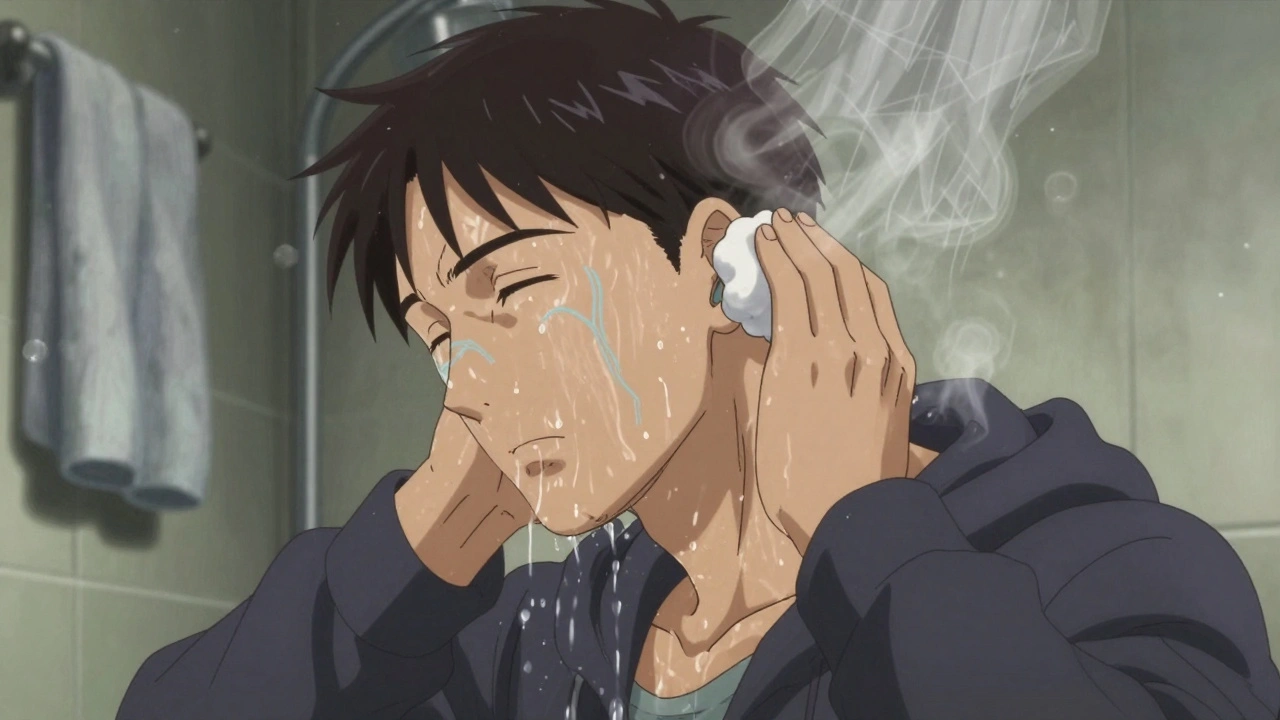
If you want your eardrum to heal without complications, you need to follow these rules strictly. No exceptions.Keep it dry. Water is the #1 enemy during healing. Even a few drops can carry bacteria into the middle ear and cause infection. That means no swimming. No showers without protection. No washing your hair under running water.
Use a waterproof earplug made of silicone, or pack a cotton ball lightly coated with petroleum jelly into the outer ear canal. Don’t push it in deep-just seal the opening. If you’re washing your face, tilt your head away from the affected ear. If you’re in the rain, wear a hat or hood.
Don’t blow your nose. Blowing forces air through the Eustachian tube and into the middle ear. That pressure can reopen a healing tear or delay closure. If you need to clear your nose, do it gently-one nostril at a time. Or better yet, use saline sprays to loosen mucus instead.
No ear cleaning. Never stick anything into your ear canal-not even a cotton swab. Let the body clear debris naturally. If you see drainage, gently wipe the outside with a clean cloth. Don’t try to scoop it out.
Avoid flying and diving. Changes in altitude or water pressure can stress the healing tissue. If you must fly, chew gum or yawn during takeoff and landing to help equalize pressure. But avoid diving entirely until your doctor confirms full healing.
These steps aren’t suggestions. They’re medical requirements. According to Mount Sinai’s clinical data, following these rules reduces the chance of chronic infection or the need for surgery by 70-80%.
When Do You Need Medical Help?
Most perforated eardrums heal without intervention. But some cases need help.See a doctor if:
- Pain or drainage lasts more than 3 days
- You develop a fever
- Hearing doesn’t improve after 2-3 weeks
- You feel dizzy, nauseous, or have balance issues
- Drainage becomes thick, green, or foul-smelling
If an infection is present, your doctor will likely prescribe antibiotic eardrops or oral antibiotics. Over-the-counter pain relievers like ibuprofen or acetaminophen can help with discomfort, but they won’t fix the tear itself.
If the hole hasn’t closed after 6-8 weeks, you’ll be referred to an ENT specialist. They’ll use a microscope to examine the eardrum and may suggest one of two procedures:
- Myringoplasty - For smaller holes. A patch of tissue, gel, or paper is placed over the tear. Newer methods use hyaluronic acid or your own platelet-rich plasma to speed up healing. Success rates are now 85-90%.
- Tympanoplasty - For larger or more complex tears. A piece of your own tissue (often from behind the ear) is grafted onto the eardrum. This takes 30-120 minutes and is done under local or general anesthesia.
Both procedures are outpatient and have high success rates when performed by experienced specialists.
What Happens If It Doesn’t Heal?
Ignoring a perforated eardrum can lead to long-term problems. Here’s what you risk if you skip protection or delay care:- Chronic ear infections - Recurring drainage and inflammation. Happens in 5-10% of untreated cases.
- Permanent hearing loss - Usually mild, but possible. Affects 3-5% of people, especially if the damage is to the ossicles (tiny bones behind the eardrum).
- Mastoiditis - Infection spreads to the bone behind the ear. Rare (1-2%), but serious. Requires antibiotics and sometimes surgery.
- Chronic vertigo - Dizziness and balance issues. Occurs in 2-3% of cases if the inner ear is affected.
These complications are avoidable. The vast majority of people who follow basic protection rules recover fully without lasting effects. Harvard Health and the Mayo Clinic both confirm: the outlook is excellent when you manage it right.

What to Expect After Healing
Once your eardrum is fully healed, hearing usually returns to normal. Some people notice their ears feel more sensitive to loud sounds at first-that’s normal. Your brain is relearning how to process sound after a period of muffled input.You can resume swimming, flying, and normal activities once your doctor gives the green light. But don’t go back to inserting objects into your ear. Even after healing, the eardrum remains vulnerable. Use earplugs in loud environments, and avoid blasting music through headphones.
Most people never realize they had a perforated eardrum unless they were told. That’s how well the body repairs itself-when given the chance.
Can a perforated eardrum heal on its own?
Yes, most small to moderate perforations heal naturally within 3 to 8 weeks. The body regenerates the thin tissue of the eardrum if it’s protected from infection and pressure changes. Larger tears or those with infection may need medical help.
How do I protect my ear while showering?
Use a waterproof silicone earplug or pack a cotton ball lightly coated with petroleum jelly into the outer ear canal. Don’t push it in deeply-just seal the opening. Tilt your head away from the affected ear when washing your hair. Avoid letting water run directly into the ear.
Is it safe to fly with a perforated eardrum?
It’s not recommended during healing. Pressure changes during takeoff and landing can delay healing or reopen the tear. If you must fly, chew gum, yawn, or use the Valsalva maneuver gently to equalize pressure. Wait until your doctor confirms full healing before flying again.
What if I still have hearing loss after 2 months?
If your hearing hasn’t improved after 8 weeks, see an ENT specialist. Persistent hearing loss could mean the eardrum hasn’t fully healed, or there’s damage to the middle ear bones. Tests like audiometry or tympanometry can identify the cause and guide treatment.
Can I use over-the-counter ear drops?
No. Most OTC ear drops are meant for outer ear infections (swimmer’s ear), not perforated eardrums. Putting drops into a perforated ear can push fluid into the middle ear and cause infection. Only use ear drops prescribed by your doctor.
How do I know if my eardrum is infected?
Signs of infection include thick, yellow or green drainage, foul odor, increased pain, fever, or dizziness. If you notice any of these after the first few days, contact your doctor immediately. Infection can prevent healing and lead to complications.




Jessica Ainscough
December 3, 2025 AT 21:23Been through this twice. First time I ignored the dryness rule and got an infection. Second time I followed everything to the letter - no showers without the jelly cotton ball, no nose blowing, no flying. Healing in 6 weeks flat. The body’s amazing if you stop messing with it.
Josh Bilskemper
December 4, 2025 AT 11:28Most of this is common sense but the part about not using OTC drops is critical. People think ear drops are like cough syrup. They’re not. You’re not treating a sore throat you’re protecting a biological membrane that’s been surgically compromised. Basic anatomy.
dan koz
December 5, 2025 AT 15:22Man I did this while cleaning my ear with a keychain tool. Thought it was just wax. Next day my ear sounded like i was underwater. Went to clinic they said perforated. Took 10 weeks to heal. Never touch your ear canal again. Ever.
Katey Korzenietz
December 6, 2025 AT 21:33Anyone else notice how the article never mentions that 40% of perforations are caused by parents shoving q-tips in kids ears? This is a parenting failure epidemic. Stop it. Now.
Michael Bene
December 7, 2025 AT 14:13Y’all are acting like this is some sacred ritual. Look I had a perforation from a bass drop at a rave. I took a hot shower the next day. I flew to Mexico two weeks later. I ate spicy food. My ear healed. I hear better now than before. Sometimes the body doesn’t need your overthinking. Just chill.
Storz Vonderheide
December 7, 2025 AT 19:24As someone who grew up in a household where ear cleaning was a weekly ritual - and now works as a community health worker - I’ve seen too many people panic or ignore this. The real tragedy isn’t the perforation. It’s the shame people feel about it. You didn’t fail. Your ear just needed space. That’s all. Be gentle with yourself.
Casey Lyn Keller
December 8, 2025 AT 05:56Let me guess - next they’ll tell us not to breathe too hard or blink too fast. This article reads like a cult manual. ‘Protect that ear like it’s the most fragile thing in your body’ - yeah right. I’ve had three perforations. All healed. No drama. No jelly. No fear.
Ethan McIvor
December 8, 2025 AT 19:19It’s funny how we treat our bodies like machines that need perfect conditions to work - when in reality they’ve been repairing themselves for millions of years. Maybe the real lesson isn’t about cotton balls and jelly. It’s about trusting your biology. Still - better safe than sorry.
Kevin Estrada
December 10, 2025 AT 03:28Okay but what if you’re a DJ and you get a perforation from your own speakers? Do you just quit your career? Do you wear a helmet to gigs? Is this gonna be on the next season of ‘Ear Drama’? I’m not even joking anymore.
Brian Perry
December 11, 2025 AT 17:46So I did the jelly cotton ball thing for 3 weeks then forgot. Took a shower. Next day my ear felt weird. Went to doc. Turned out it was just fluid buildup. Not a re-tear. Just my anxiety. I think we make this way worse in our heads.
Chris Jahmil Ignacio
December 12, 2025 AT 17:19Let’s be real here. This whole ‘healing timeline’ is just corporate medicine padding their billing cycles. You think Stanford and Mayo really care if your eardrum heals in 6 weeks or 12? No. They care if you come back for follow-ups. If you don’t follow their rules you’re labeled ‘noncompliant’ and then they upsell you surgery. The truth? Your body doesn’t need a doctor to heal a hole. It just needs silence. And no cotton swabs. That’s it.